Inicio > Tecnología, ingeniería, agricultura > > Química industrial > Membrana nanofiltracyjna do recyklingu siarczanu sodu z aluminium
Membrana nanofiltracyjna do recyklingu siarczanu sodu z aluminium

Membrana nanofiltracyjna do recyklingu siarczanu sodu z aluminium

Raid Jawaad / S.K. Sharma / S.S. Sambi

76,26 €
IVA incluido
Disponible
Editorial:
KS OmniScriptum Publishing
Año de edición:
2026
Materia
Química industrial
ISBN:
9786209664045
76,26 €
IVA incluido
Disponible

Selecciona una librería:

  • Librería Samer Atenea
  • Kálamo Books
  • Librería Elías (Asturias)
  • Librería Kolima (Madrid)
  • Librería Proteo (Málaga)

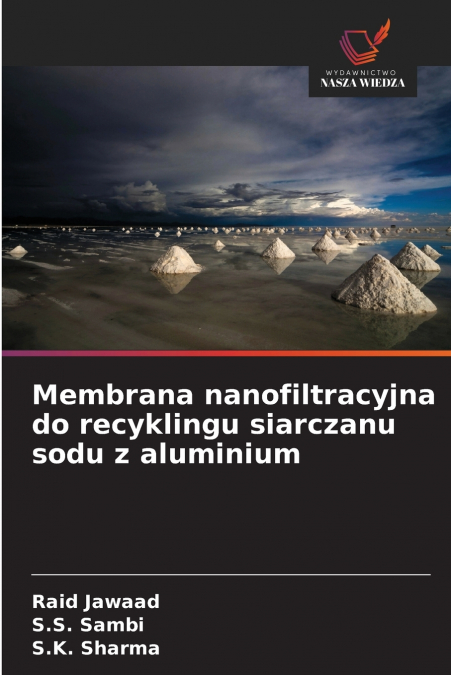
Prawie połowa światowego zużycia siarczanu sodu jest zatem pokrywana poprzez jego odzyskiwanie jako produkt uboczny procesów chemicznych, takich jak produkcja krzemianu glinu, sztucznego jedwabiu itp. Ścieki z przemysłu krzemianu glinu składają się głównie z siarczanu sodu. Obecnie strumień ścieków jest albo rozcieńczany i odprowadzany do zbiorników wodnych, albo siarczan sodu jest odzyskiwany za pomocą konwencjonalnej techniki odparowania i krystalizacji. Technika ta jest nieekonomiczna, zwłaszcza gdy w ściekach występuje bardzo niskie stężenie soli, co powoduje, że do jej zagęszczenia i odzyskania konieczne jest odparowanie dużej ilości wody. W takich sytuacjach techniki separacji oparte na membranach stają się atrakcyjną alternatywą dla konwencjonalnych technik zagęszczania soli. Niniejsza książka przedstawia główne cechy procesu produkcji krzemianu glinu, ścieki z tego procesu oraz ich oczyszczanie za pomocą technologii membranowej, zwłaszcza membran NF.
Artículos relacionados

  • Quantitative Structure-Activity Relationships in Drug Design, Predictive Toxicology, and Risk Assessment
    Kunal Roy
    Quantitative structure-activity relationships (QSARs) represent predictive models derived from the application of statistical tools correlating biological activity or other properties of chemicals with descriptors representative of molecular structure and/or property. Quantitative Structure-Activity Relationships in Drug Design, Predictive Toxicology, and Risk Assessment discus...
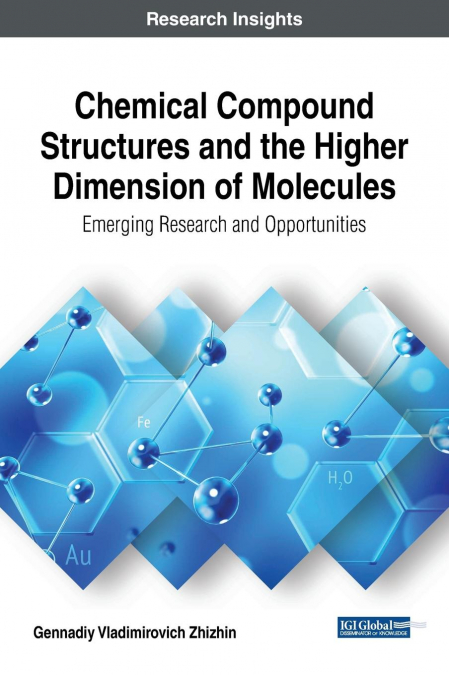
  • Chemical Compound Structures and the Higher Dimension of Molecules
    Gennadiy Vladimirovich Zhizhin
    Originally, scientists believed that molecules were three-dimensional; however, studies have proven that geometric dimensions are continuous. Therefore, molecules are able to have higher dimensions which influences how they interact with other molecules leading to advances in various fields including nanomedicine, nanotoxicology and quantum biology. Chemical Compound Structures...
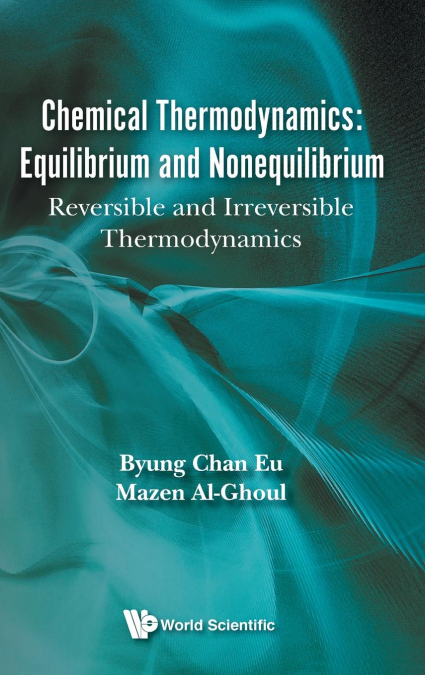
  • CHEMICAL THERMODYNAMICS, 2ND EDITION
    Byung Chan Eu / BYUNG CHAN EU & MAZEN AL-GHOUL / EU BYUNG CHAN / Mazen Al-Ghoul
    This book enables the reader to learn, in a single volume, equilibrium and nonequilibrium thermodynamics as well as generalized forms of hydrodynamics for linear and nonlinear processes applied to various hydrodynamic flow processes — including chemical oscillation phenomena and pattern formations, shock wave phenomena, sound wave propagations, and Liesegang pattern formation, ...
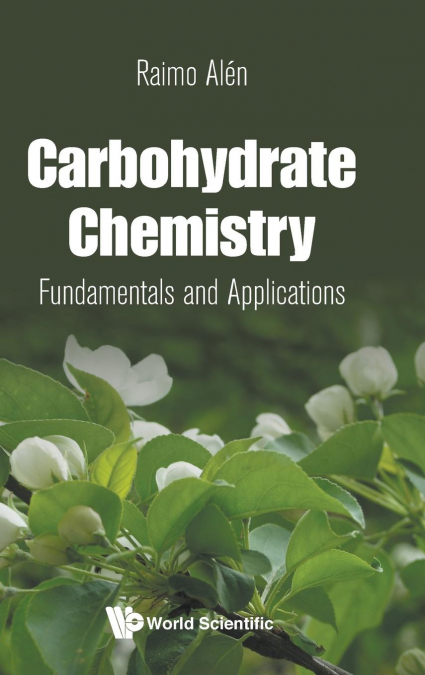
  • CARBOHYDRATE CHEMISTRY
    ALEN RAIMO / Raimo Alen
     This book presents a comprehensive approach to the versatile and fascinating field of carbohydrate chemistry. It covers, besides the colorful historical perspective within the utilization of carbohydrates and their derivatives, all modern aspects on their properties, nomenclature, uses, and natural occurrence as such or as residues in a variety of biologically active molecules...
  • Recent Developments in Geopolymers and Alkali-Activated Materials
    Sujeong Lee
    We are compiling and publishing a collection of the latest research papers in the fields of Geopolymer and Alkali-Activated Materials (AAM). This compilation includes eight original research and two review papers covering a diverse range of topics, including various raw materials, manufacturing processes, and applications in the realms of Geopolymer and AAM. The publication aim...
  • Introduction to Chemical Engineering Fluid Mechanics
    William M. Deen
    ...

Otros libros del autor

  • Membrane de nanofiltration pour le recyclage du sulfate de sodium issu de l’aluminium
    Raid Jawaad / S.K. Sharma / S.S. Sambi
    Près de la moitié de la consommation mondiale de sulfate de sodium est donc couverte par sa récupération en tant que sous-produit de processus chimiques tels que la fabrication de silicate d’aluminium, de rayonne, etc. Les eaux usées de l’industrie du silicate d’aluminium sont principalement composées de sulfate de sodium. Actuellement, les eaux usées sont soit diluées et rejet...
    Disponible

    76,33 €

  • Nanofiltrationsmembran zur Rückgewinnung von Natriumsulfat aus Aluminium
    Raid Jawaad / S.K. Sharma / S.S. Sambi
    Fast die Hälfte des weltweiten Natriumsulfatverbrauchs wird daher durch dessen Rückgewinnung als Nebenprodukt chemischer Prozesse wie der Herstellung von Aluminiumsilikat, Rayon usw. gedeckt. Das Abwasser der Aluminiumsilikatindustrie besteht hauptsächlich aus Natriumsulfat. Derzeit wird der Abwasserstrom entweder verdünnt und in Gewässer eingeleitet oder das Natriumsulfat wird...
    Disponible

    76,33 €

  • Membrana di nanofiltrazione per il riciclaggio del solfato di sodio dall’alluminio
    Raid Jawaad / S.K. Sharma / S.S. Sambi
    Quasi la metà del consumo globale di solfato di sodio è quindi soddisfatto attraverso il suo recupero come sottoprodotto di processi chimici quali la produzione di silicato di alluminio, rayon ecc. Le acque reflue dell’industria del silicato di alluminio sono costituite principalmente da solfato di sodio. Attualmente il flusso di acque reflue viene diluito e scaricato nei corpi...
    Disponible

    76,26 €

  • Membrana de nanofiltração para reciclagem de sulfato de sódio a partir do alumínio
    Raid Jawaad / S.K. Sharma / S.S. Sambi
    Quase metade do consumo global de sulfato de sódio é, portanto, suprido através da sua recuperação como subproduto de processos químicos, tais como a fabricação de silicato de alumínio, rayon, etc. As águas residuais da indústria de silicato de alumínio consistem principalmente em sulfato de sódio. Atualmente, o fluxo de águas residuais é diluído e descarregado em corpos d’água...
    Disponible

    76,26 €