 Librería Samer Atenea
 Kálamo Books
 Librería Elías (Asturias)
 Librería Kolima (Madrid)
 Librería Proteo (Málaga)
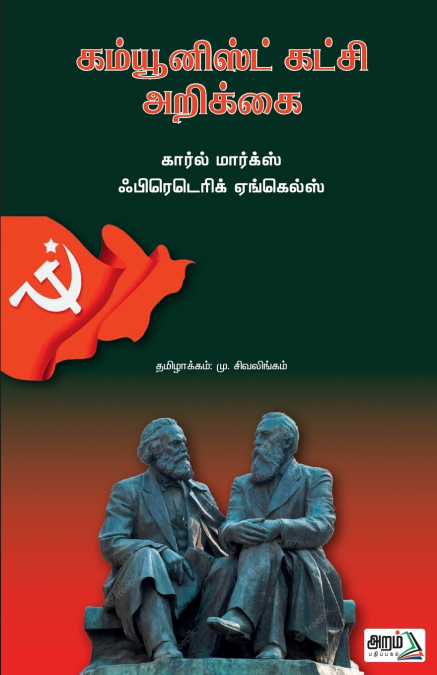
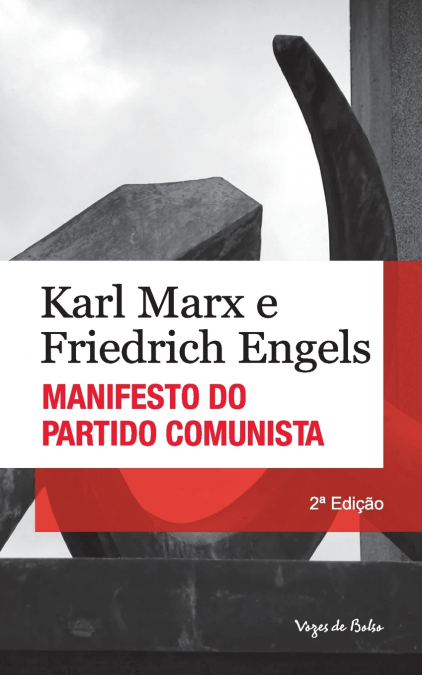
Unflinching and succinct, Manifesto of the Communist Party stands as a defining spark of modern political argument. A short, sharp political manifesto. Born in nineteenth century Europe during the industrial revolution era, the pamphlet channels a sweeping capitalism critique analysis into brisk, uncompromising prose. It sketches an account of history through class struggle themes and the shifting relations of production, naming the antagonism between proletariat and bourgeoisie and the forces that reshape work, urban life and state power. As a political philosophy classic, as a socialist theory book and as a revolutionary manifesto collection, it balances agitational energy with analytical clarity. Readable in a single sitting yet packed with provocations, it suits newcomers on a leftist reading list while rewarding the careful attention of scholars tracing karl marx works and the genealogy of modern socialism.Republished by Alpha Editions in a careful modern edition, this volume preserves the spirit of the original while making it effortless to enjoy today - a heritage title prepared for readers and collectors alike. Its literary and historical significance is vast: a compact, rhetorically charged text that shaped nineteenth-century Europe debates and helped define a socialist literature anthology. The pamphlet’s condensed form offered a blueprint for later movements and became essential reading among karl marx works and among those studying the rise of industrial capitalism. For political science students it remains a direct introduction to foundational arguments about labour, capital and revolutionary strategy; casual readers find a brisk, readable encounter with ideas that still animate public debate. Classic-literature collectors value this edition as an essential cultural treasure and a conversation starter on the shelf. Its concepts continue to inform debates about labour rights, economic inequality and political organising, making it a touchstone for contemporary activists and historians alike. The manifesto’s compact force makes it useful as both a seminar text and an introductory read for anyone curious about the origins of modern socialist thought.