Lokale Produktionssysteme in Süditalien

Lokale Produktionssysteme in Süditalien

Kerstin Reiff

53,24 €
IVA incluido
Disponible
Editorial:
diplom.de
Año de edición:
2002
Materia
Geografía
ISBN:
9783838656557
53,24 €
IVA incluido
Disponible

Selecciona una librería:

  • Librería Samer Atenea
  • Librería Aciertas (Toledo)
  • Kálamo Books
  • Librería Perelló (Valencia)
  • Librería Elías (Asturias)
  • Donde los libros
  • Librería Kolima (Madrid)
  • Librería Proteo (Málaga)

Inhaltsangabe:Einleitung: Die Strukturdefizite Süditaliens im Vergleich zu anderen Regionen Italiens und Europas sind Gegenstand dieser Arbeit. Der Mezzogiorno ist seit der Einigung Italiens Ende des 19. Jahrhunderts eine Randregion Europas und Italiens. Die periphere Lage ist nicht nur durch die räumliche Entfernung zu anderen Regionen in Europa bestimmt. Auch wirtschaftlich befindet sich Süditalien in einer benachteiligten Situation gegenüber den hochindustrialisierten Regionen Norditaliens. In den 70er Jahren des letzten Jahrhunderts konnten in den Regionen Mittel- und Nordostitaliens kleine und mittlere Betriebe, die in lokalen Produktionssystemen organisiert waren, zu einer Mobilisierung regionaler Ressourcen beitragen. Seitdem spricht man von einer Überwindung des traditionellen Dualismus und der Aufhebung der Trennung Italiens in Nord und Süd. Die Regionen des Nordosten und des Zentrums werden als „Drittes Italien“ bezeichnet, wo Strukturdefizite zum industrialisierten Norden durch den Erfolg der lokalen Produktionssysteme überwunden werden konnten. Die Regionen des Mezzogiorno profitierten nicht von dieser Entwicklung. Versuche seitens der Entwicklungspolitik, durch die Ansiedlung von Großbetrieben der Grundstoffindustrien der Stahl- oder Chemiebranche Industriezentren und damit Entwicklungspole zu schaffen, scheiterten. Eine eigendynamische Entwicklung in den süditalienischen Regionen konnte dadurch nicht erreicht werden. Die ehemaligen Fördergebiete Süditaliens sind heute die eigentlichen Krisengebiete mit besonders hoher Arbeitslosigkeit. Jenseits der ehemaligen Industrialisierungspole der staatlichen Entwicklungspolitik konnte sich in verschiedenen Regionen Süditaliens eine wirtschaftliche Dynamik etablieren, die Charakteristika des Dritten Italien enthält. Es besteht eine Vorherrschaft von kleinen und mittleren Unternehmen, flexible Produktion und die Spezialisierung der Betriebe eines Gebietes auf eine oder wenige Branchen. Neben historisch etablier


Artículos relacionados

  • Tourism and Indigeneity in the Arctic
    This is the first book to exclusively address tourism and indigenous peoples in the circumpolar North. It examines how tourism in indigenous communities is influenced by academic and political discourses, and how these communities are influenced by tourism. The volume focuses on the ambivalence relating to tourism as a modern force within ethnic groups who are concerned with ma...
  • Playas en la costa caribeña colombiana
    Diva Marcela Piamba Tulcán / Eduardo Silva Peña / Eliana Díaz Muñoz / Juliana Javierre / Mónica María Del Valle Idárraga / Yessica Chiquillo
    En este libro, reconstruimos el surgimiento y transformación de varias playas del hoy llamado Caribe colombiano, como playas turísticas, entre 1950 y 1990. Mediante un análisis de archivos periodísticos y audiovisuales y de narraciones de Amira de la Rosa, Jaime Manrique, Fanny Buitrago, Tomás González, entre otros, desanudamos el cronotopo playas, tomando como foco Prado Mar y...
    Disponible

    20,75 €

  • Sustainable Water Management
    Miklas Scholz
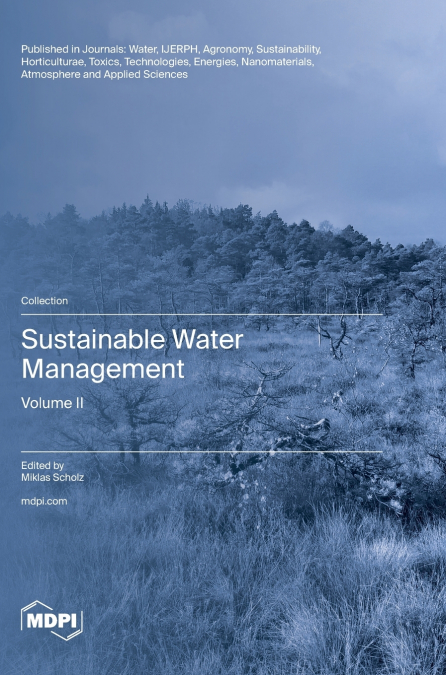
    The collection is comprised of 40 reprinted articles grouped into six sections. Section 1 is concerned with the interface between climate change, water resources and public health. The water-related impacts of climate change on agriculture and, subsequently, on public health are also assessed. Agricultural water management is covered in Section 2. Novel water retention and nutr...
  • Sustainable Water Management
    Miklas Scholz
    The collection is comprised of 40 reprinted articles grouped into six sections. Section 1 is concerned with the interface between climate change, water resources and public health. The water-related impacts of climate change on agriculture and, subsequently, on public health are also assessed. Agricultural water management is covered in Section 2. Novel water retention and nutr...
  • Agricultural farming practices in the face of climate change
    Nougbodjingni Damien Makponse
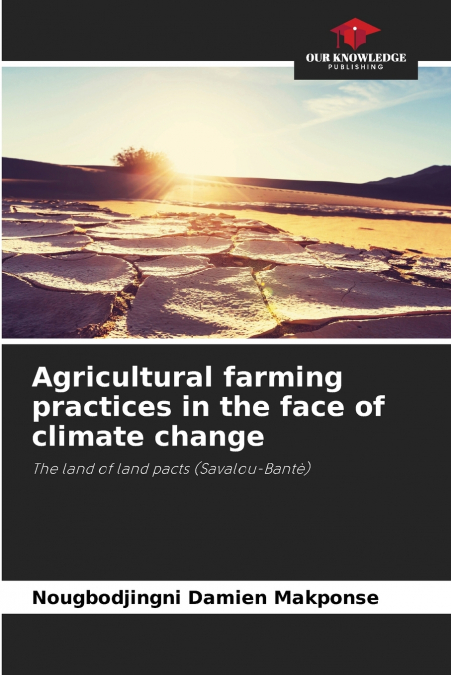
    In recent years, the land pact region has experienced the vulnerability and adverse effects of climate change. This research analyses the adaptation strategies used by farmers to improve their living conditions. The methodology used consists of collecting, processing and analysing results based on 120 farmers in two districts of each commune. The field results reveal that the i...
    Disponible

    48,30 €

  • FACTEURS ENVIRONNEMENTAUX ET DÉVELOPPEMENT ÉCONOMIQUE
    Huda Abdul Rahim Abdul Kadir
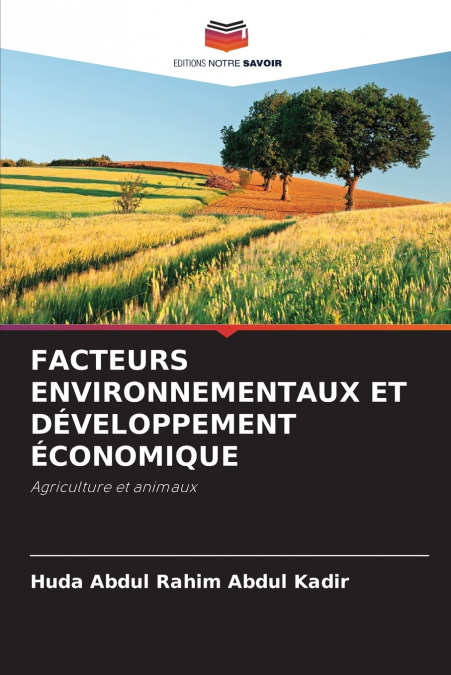
    Les facteurs environnementaux qui nous entourent sont nombreux, les hommes, les animaux et les plantes en sont affectés, et affectent l’activité et la capacité de production, ainsi que l’économie de la vie qui en est affectée sous différents aspects. L’effet de ces facteurs se reflète clairement sur l’agriculture générale et comprend de nombreux types de produits, y compris les...
    Disponible

    54,38 €