
Inicio > Sociedad y ciencias sociales > Sociología y antropología > Antropología > La Cultura de los Silos en los yacimientos de 'El Trobal' y 'La Esparragosa' (Cádiz, España)
La Cultura de los Silos en los yacimientos de 'El Trobal' y 'La Esparragosa' (Cádiz, España)

La Cultura de los Silos en los yacimientos de 'El Trobal' y 'La Esparragosa' (Cádiz, España)

Raquel Martínez Romero

63,87 €
IVA incluido
Disponible
Editorial:
British Archaeological Reports (Oxford) Ltd
Año de edición:
2022
Materia
Antropología
ISBN:
9781407360171
63,87 €
IVA incluido
Disponible

Selecciona una librería:

  • Librería Samer Atenea
  • Librería Aciertas (Toledo)
  • Kálamo Books
  • Librería Perelló (Valencia)
  • Librería Elías (Asturias)
  • Donde los libros
  • Librería Kolima (Madrid)
  • Librería Proteo (Málaga)

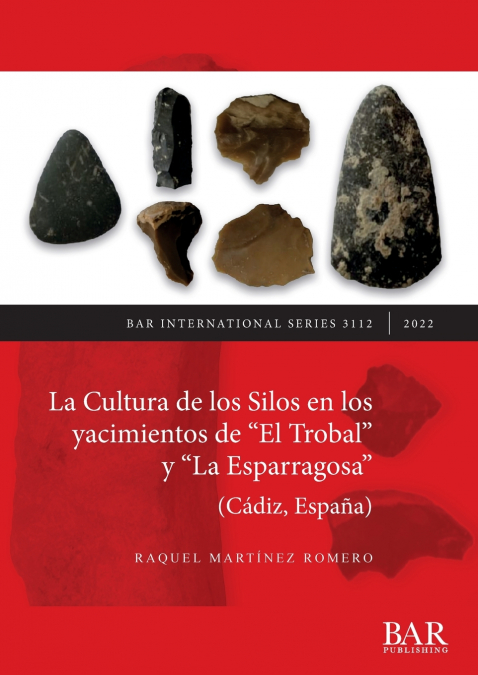
En este trabajo se analiza la relación entre los modos de vida y las herramientas líticas de dos yacimientos arqueológicos (’El Trobal’ en Jerez de la Frontera y ’La Esparragosa’ en Chiclana de la Frontera, ambos en la provincia de Cádiz), encuadrados en el IV y III milenio a.n.e. mediante un análisis de los elementos líticos (trabajados, pulimentados, cantos rodados...) con un total de 5088 productos.Los resultados evidencian una continuación de los modos de vida en la transición del IV al III milenio a.n.e. basados en la agricultura y en la ganadería, sin abandono de la caza ni de la pesca, alcanzado esta última un gran peso, al ser enclaves marítimos. Así mismo, el uso de las mismas materias primas en la confección de los productos líticos y la aparición de nuevas identidades como la creación de espacios abiertos para el cultivo mediante la deforestación, la aparición de nuevas estructuras como los silos y un cambio en la estructuración social con las primeras divisiones sociales, dando lugar a una jerarquización social basada en el control del territorio y de la propiedad, serán tratados en dicha publicación. This book analyses the relationship between the lifestyles and stone tools of two archaeological sites: 'El Trobal' in Jerez de la Frontera and 'La Esparragosa' in Chiclana de la Frontera, both in the province of Cádiz. It is framed in the IV and III millennium B.C.E. through an analysis of the lithic elements (worked, polished, rounded stones, etc.) with a total of 5,088 products.The results show a continuation of the ways of life in the transition from the IV to the III millennium B.C.E. based on agriculture and livestock, without abandoning hunting or fishing, the latter of which is of great significance since they were maritime enclaves. Likewise, the use of the same raw materials in the manufacture of stone products and the appearance of new identities - such as the creation of open spaces for cultivation through deforestation, the appearance of new structures such as silos and a change in the structuring of the first social divisions that give rise to a social hierarchy based on the control of territory and property - are examined in depth.
Artículos relacionados

  • The jewish community in new england
    Keith Warwick
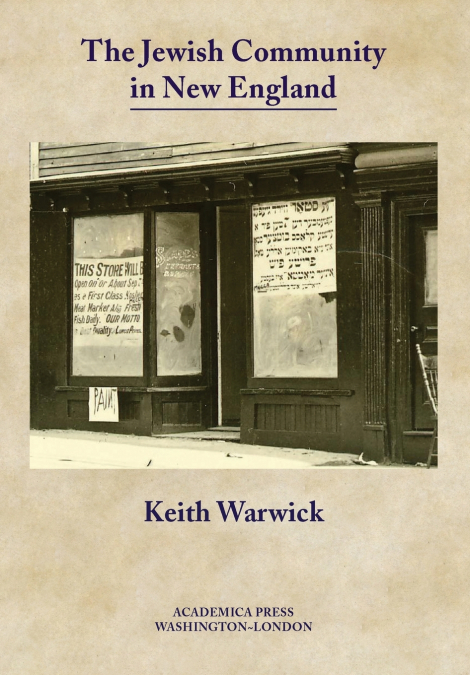
    The purpose of The Jewish Community in New England is to inform readers about the Jewish community in each of the six New England States: Rhode Island, Connecticut, Maine, Massachusetts, New Hampshire, and Vermont. Factual, inspirational, and poetic, it serves as a scholarly guide to institutions of Jewish life in this dynamic American region. Stocked with valuable information ...
    Disponible

    142,00 €

  • Warfare in the Russian arctic
    Alexander K Nefedkin / Richard L Bland
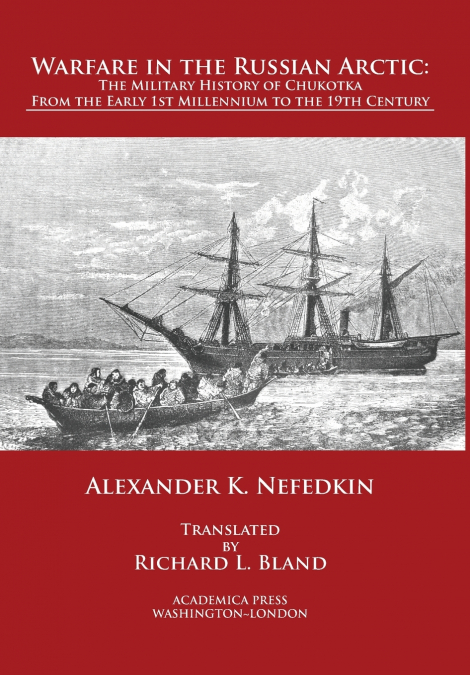
    Alexander Nefedkin’s highly original new book, translated by the noted American scholar Richard L. Bland, is devoted to the understudied topic of the military and military-political history of Chukotka, the far northeastern region of the Russian Federation, separated from Alaska by Bering Strait. This study is based on primary sources, including archaeological, folkloric, and d...
    Disponible

    198,46 €

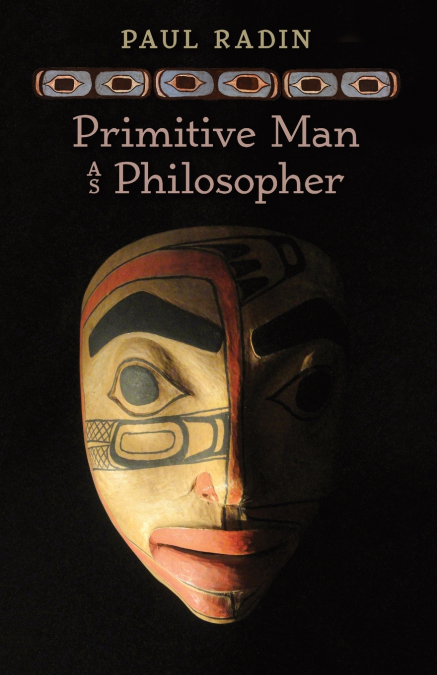
  • Primitive Man as Philosopher
    Paul Radin
    First published in 1927, Primitive Man as Philosopher represents a landmark in early anthropological studies. In this work, Paul Radin demonstrates the problematic nature of distinguishing between 'primitive' and 'civilized' cultures. He traces such ideas as the nature of Goodness and Truth, the meaning of life, and the reality of death across various cultures, highlighting how...
    Disponible

    24,38 €

  • The Economics of Population Growth
    Julian Lincoln Simon
    Comparison with stationary and very fast rates of population growth shows modern population grwoth to have long-run positive effects on the standards of living. This is Julian Simon’s contention, and he provides support for its validity in both more and less-developed countries. He notes that since each person constitutes a burden in the short run, whether population growth is ...
    Disponible

    153,61 €

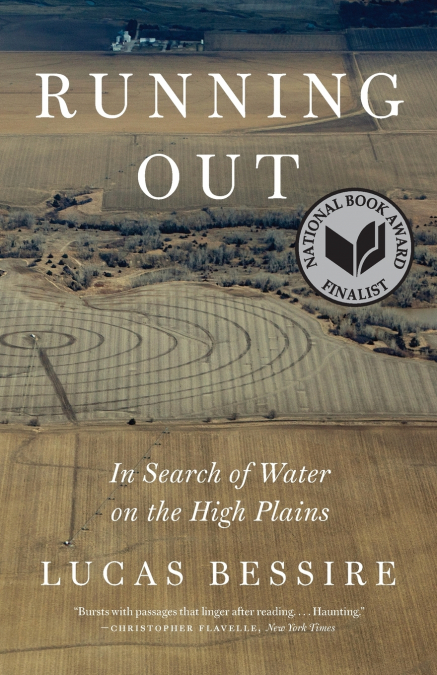
  • Running Out
    Lucas Bessire
    Finalist for the National Book AwardAn intimate reckoning with aquifer depletion in America’s heartlandThe Ogallala aquifer has nourished life on the American Great Plains for millennia. But less than a century of unsustainable irrigation farming has taxed much of the aquifer beyond repair. The imminent depletion of the Ogallala and other aquifers around the world is a defining...
    Disponible

    25,19 €

  • The Nation and Its Fragments
    Partha Chatterjee
    In this book, the prominent theorist Partha Chatterjee looks at the creative and powerful results of the nationalist imagination in Asia and Africa that are posited not on identity but on difference with the nationalism propagated by the West. Arguing that scholars have been mistaken in equating political nationalism with nationalism as such, he shows how anticolonialist nation...
    Disponible

    72,17 €