
Klimatische Gliederung Mitteleuropas heute

Klimatische Gliederung Mitteleuropas heute

Martin Doskoczynski

22,04 €
IVA incluido
Disponible
Editorial:
GRIN Verlag
Año de edición:
2008
Materia
Geografía
ISBN:
9783640116546
22,04 €
IVA incluido
Disponible

Selecciona una librería:

  • Librería Samer Atenea
  • Librería Aciertas (Toledo)
  • Kálamo Books
  • Librería Perelló (Valencia)
  • Librería Elías (Asturias)
  • Donde los libros
  • Librería Kolima (Madrid)
  • Librería Proteo (Málaga)

Studienarbeit aus dem Jahr 2005 im Fachbereich Geowissenschaften / Geographie - Phys. Geogr., Geomorphologie, Umweltforschung, Note: 1,3, Ludwig-Maximilians-Universität München (Department für Geo- und Umweltwissenschaften Sektion Geographie), Veranstaltung: Proseminar Physische Geographie - Physische Geographie Mitteleuropas - , Sprache: Deutsch, Abstract: Europa ist praktisch die in den Atlantik hereinragende Halbinsel des eurasischen Kontinents. Dieser Erdteil ist sehr eng mit dem Meer verbunden, sowohl im physisch als auch im anthropogeographischen Sinne. Auf mehr als der Hälfte der Fläche gibt es keine Ortschaft, die weiter entfernt als 300 km vom Meer liegt. Orte die weiter als 600 km von der Küste entfernt sind, gibt es praktisch nur in dem Teil Europas, das östlich der polnischen Grenze liegt (vgl. BÄR, O. (1977): 10). Folglich gilt besonders für Mitteleuropa, dass dieser Kontinentteil von einer ausgesprochen atlantischen Natur ist. Es wäre jedoch irreführend zu behaupten, Mitteleuropa sei in seiner Klimabeschaffenheit ein einheitlicher Kontinent. Wer z.B. mit dem Auto von Amsterdam über Berlin nach Warschau fährt, wird feststellen, dass sich innerhalb dieser mehreren hundert Kilometer die klimatischen Bedingungen sehr stark verändern, obwohl die Breitenkreislage praktisch identisch bleibt.Das Ziel dieser Arbeit ist es, dem Leser einen Einblick in die klimatische Gliederung Mitteleuropas zu verschaffen. Mitteleuropa ist kein gleichbeschaffener Kontinentteil, sondern lässt sich in zahlreiche geomorphologische Einheiten gliedern, die zusätzlich zur Breitenlage und der Lage zum Meer äußerst ausschlaggebend für die klimatische Gliederung sind.Die Aufgabe dieser Arbeit ist es nicht den Begriff „Mitteleuropa', aus welcher Sicht auch immer, zu diskutieren. Deshalb steht im Zentrum der Betrachtung Deutschland, als „Herz Mitteleuropas', und im weiteren Sinne seine angrenzenden Staaten. Die Gliederung erfolgt nach dem Schema der klimarelevanten Einflussfaktoren.


Artículos relacionados

  • Tourism and Indigeneity in the Arctic
    This is the first book to exclusively address tourism and indigenous peoples in the circumpolar North. It examines how tourism in indigenous communities is influenced by academic and political discourses, and how these communities are influenced by tourism. The volume focuses on the ambivalence relating to tourism as a modern force within ethnic groups who are concerned with ma...
  • Playas en la costa caribeña colombiana
    Diva Marcela Piamba Tulcán / Eduardo Silva Peña / Eliana Díaz Muñoz / Juliana Javierre / Mónica María Del Valle Idárraga / Yessica Chiquillo
    En este libro, reconstruimos el surgimiento y transformación de varias playas del hoy llamado Caribe colombiano, como playas turísticas, entre 1950 y 1990. Mediante un análisis de archivos periodísticos y audiovisuales y de narraciones de Amira de la Rosa, Jaime Manrique, Fanny Buitrago, Tomás González, entre otros, desanudamos el cronotopo playas, tomando como foco Prado Mar y...
    Disponible

    20,75 €

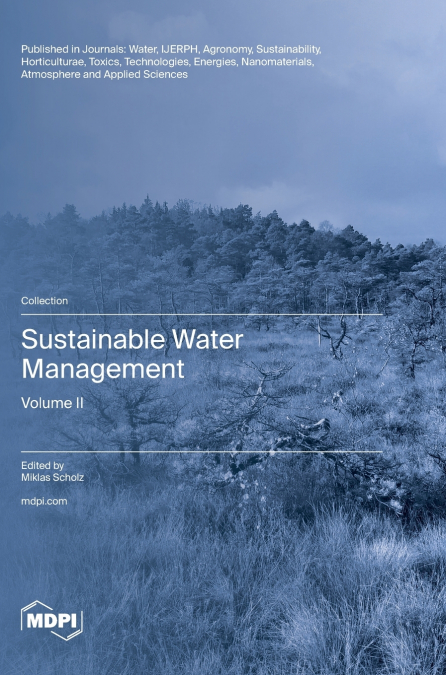
  • Sustainable Water Management
    Miklas Scholz
    The collection is comprised of 40 reprinted articles grouped into six sections. Section 1 is concerned with the interface between climate change, water resources and public health. The water-related impacts of climate change on agriculture and, subsequently, on public health are also assessed. Agricultural water management is covered in Section 2. Novel water retention and nutr...
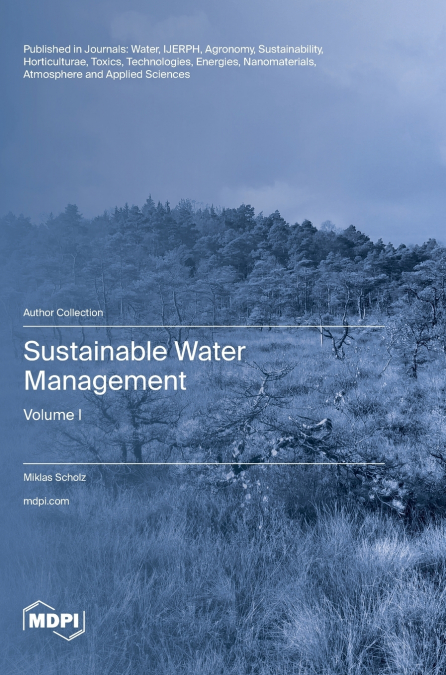
  • Sustainable Water Management
    Miklas Scholz
    The collection is comprised of 40 reprinted articles grouped into six sections. Section 1 is concerned with the interface between climate change, water resources and public health. The water-related impacts of climate change on agriculture and, subsequently, on public health are also assessed. Agricultural water management is covered in Section 2. Novel water retention and nutr...
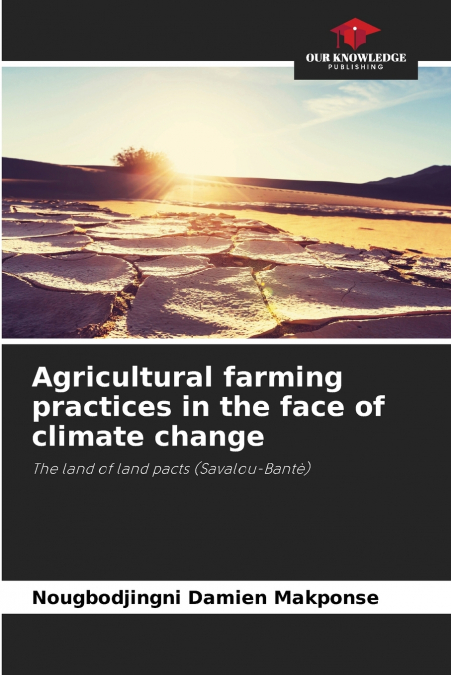
  • Agricultural farming practices in the face of climate change
    Nougbodjingni Damien Makponse
    In recent years, the land pact region has experienced the vulnerability and adverse effects of climate change. This research analyses the adaptation strategies used by farmers to improve their living conditions. The methodology used consists of collecting, processing and analysing results based on 120 farmers in two districts of each commune. The field results reveal that the i...
    Disponible

    48,30 €

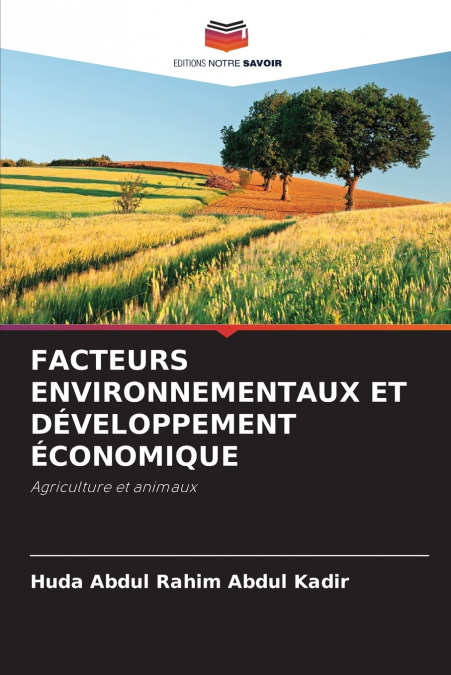
  • FACTEURS ENVIRONNEMENTAUX ET DÉVELOPPEMENT ÉCONOMIQUE
    Huda Abdul Rahim Abdul Kadir
    Les facteurs environnementaux qui nous entourent sont nombreux, les hommes, les animaux et les plantes en sont affectés, et affectent l’activité et la capacité de production, ainsi que l’économie de la vie qui en est affectée sous différents aspects. L’effet de ces facteurs se reflète clairement sur l’agriculture générale et comprend de nombreux types de produits, y compris les...
    Disponible

    54,38 €