
Interpreting Keynes for the 21st Century

Interpreting Keynes for the 21st Century

P. Davidson

132,40 €
IVA incluido
Consulta disponibilidad
Editorial:
Springer Nature B.V.
Año de edición:
2007
Materia
Economía internacional
ISBN:
9780230520905

Selecciona una librería:

  • Librería Samer Atenea
  • Librería Aciertas (Toledo)
  • Kálamo Books
  • Librería Perelló (Valencia)
  • Librería Elías (Asturias)
  • Donde los libros
  • Librería Kolima (Madrid)
  • Librería Proteo (Málaga)

PART I: INTERNATIONAL ECONOMICS Is a Plumber or a New Financial Architect Needed to End Global International Liquidity Problems? Capital Movements, Tobin Tax and Permanent Fire Prevention: A Reponse to DeAngelis Globalization The Future of the International Financial System The Declining Dollar, Global Economic Growth, and Macro Stability Is Fixed Exchange Rates the Problem and Flexible Exchange Rates the Cure? PART II: ECONOMICS FOR LESS DEVELOPED COUNTRIES A Post Keynesian View of the Washington Consensus and How to Improve It Liquidity vs. Efficiency in Liberalized International Financial Markets: A Warning to Developing Economies LDCs, Institutions and Money: A Response to Danby Dollarization, The Functions of a Central Bank and the Ecuadorean Economy PART III: NEWSPAPER COLUMNS The Dangers of Debt Reduction We Should End Market Liquidity? Last Resort for IMF Keynes and the Bear Necessities Debtor Nations Need a Financial System that Allows them to Work their Way to Prosperity PART IV: KEYNES/POST KEYNESIAN THEORY AND POLICY There are Major Differences between Kalecki’s Theory of Employment and Keynes’s General Theory of Employment, Interest and Money Is ’Mathematical Science’ an Oxymoron when used to Describe Economics? Paul Samuelson and the Keynes/Post Keynesian Revolution Setting the Record Straight on ’A History of Post Keynesian Economics’ Responses to Lavoie, King, and Dow on What is Post Keynesianism and Who is a Post Keynesian The Effect of Ending Hostilities on Output and Employment Can, or Should, a Central Bank Inflation Target? Are We Making Progress towards the Good Society?
Artículos relacionados

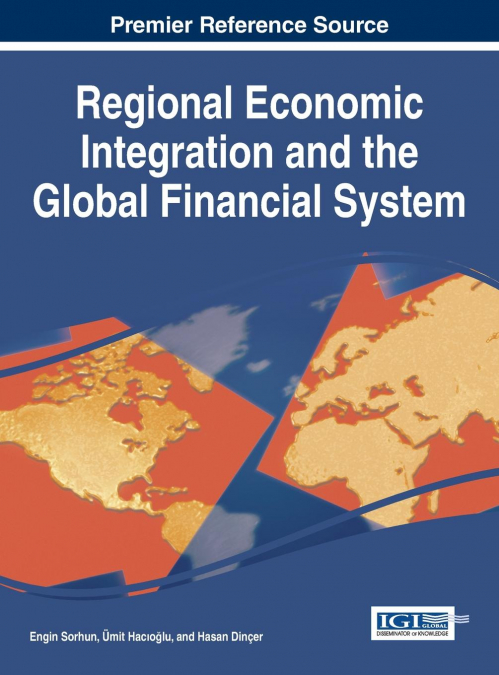
  • Regional Economic Integration and the Global Financial System
    Engin Sorhun / Hasan Dinçer / Unit Hacioglu
    In theory, regionalism and globalization are intended to be viewed as two separate concepts. However, as long as the approaches complement each other, considering these paradigms in tandem can have significantly positive effects on the overall status of the world economy. Regional Economic Integration and the Global Financial System addresses recent trends in regional integrati...
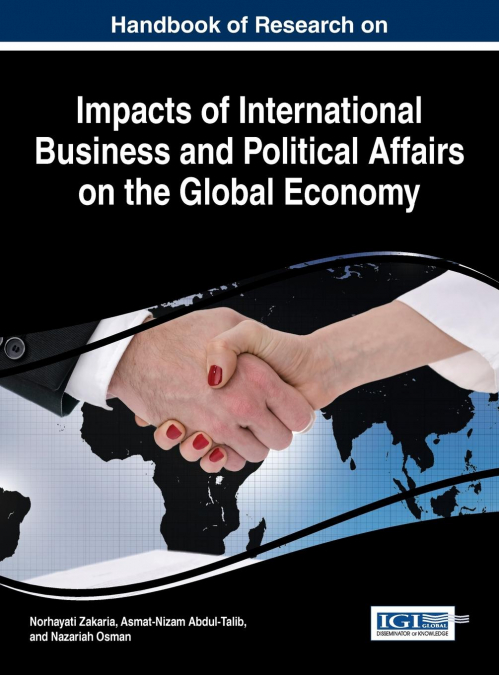
  • Handbook of Research on Impacts of International Business and Political Affairs on the Global Economy
    The growth of global commerce depends on many different factors and strategies in order for multinational corporations to efficiently compete and thrive in the international marketplace. In addition to business strategies, corporations must also be aware of political affairs that may impact their global economic status. The Handbook of Research on Impacts of International Busin...
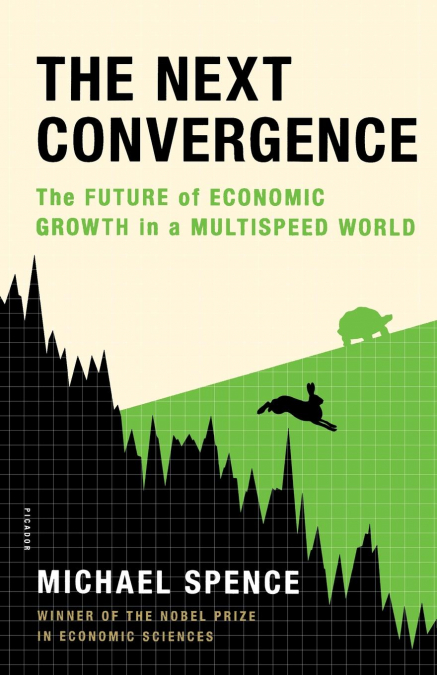
  • NEXT CONVERGENCE
    MICHAEL SPENCE
    ...
    Disponible

    17,21 €

  • Interest and Prices
    Michael Woodford
    With the collapse of the Bretton Woods system, any pretense of a connection of the world’s currencies to any real commodity has been abandoned. Yet since the 1980s, most central banks have abandoned money-growth targets as practical guidelines for monetary policy as well. How then can pure 'fiat' currencies be managed so as to create confidence in the stability of national unit...
  • War, Wine, and Taxes
    John V.C. Nye
    In War, Wine, and Taxes, John Nye debunks the myth that Britain was a free-trade nation during and after the industrial revolution, by revealing how the British used tariffs-notably on French wine-as a mercantilist tool to politically weaken France and to respond to pressure from local brewers and others. The book reveals that Britain did not transform smoothly from a mercantil...
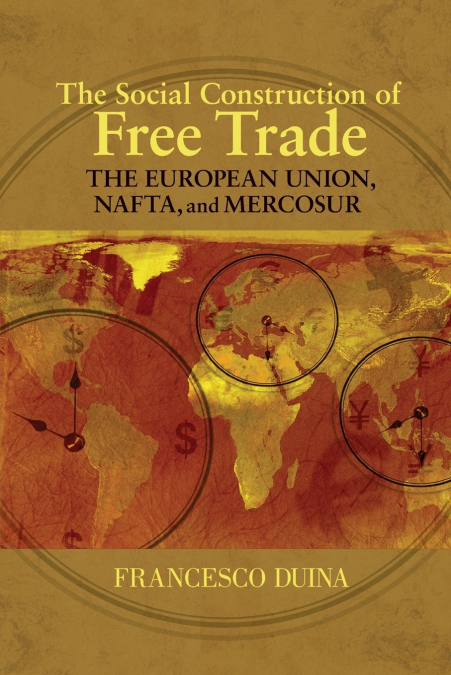
  • The Social Construction of Free Trade
    Francesco Duina
    This book offers a compelling new interpretation of the proliferation of regional trade agreements (RTAs) at the end of the twentieth century. Challenging the widespread assumption that RTAs should be seen as fundamentally similar economic initiatives to pursue free trade, Francesco Duina proposes that the world is reorganizing itself into regions that are highly distinctive an...
    Disponible

    54,25 €