Indigenous Mestizos

Indigenous Mestizos

Marisol de la Cadena

50,52 €
IVA incluido
Disponible
Editorial:
Duke University Press
Año de edición:
2000
Materia
Estudios étnicos
ISBN:
9780822324201
50,52 €
IVA incluido
Disponible

Selecciona una librería:

  • Librería Samer Atenea
  • Librería Aciertas (Toledo)
  • Kálamo Books
  • Librería Perelló (Valencia)
  • Librería Elías (Asturias)
  • Donde los libros
  • Librería Kolima (Madrid)
  • Librería Proteo (Málaga)

In the early twentieth century, Peruvian intellectuals, unlike their European counterparts, rejected biological categories of race as a basis for discrimination. But this did not eliminate social hierarchies; instead, it redefined racial categories as cultural differences, such as differences in education or manners. In Indigenous Mestizos Marisol de la Cadena traces the history of the notion of race from this turn-of-the-century definition to a hegemony of racism in Peru.De la Cadena’s ethnographically and historically rich study examines how indigenous citizens of the city of Cuzco have been conceived by others as well as how they have viewed themselves and places these conceptions within the struggle for political identity and representation. Demonstrating that the terms Indian and mestizo are complex, ambivalent, and influenced by social, legal, and political changes, she provides close readings of everyday concepts such as marketplace identity, religious ritual, grassroots dance, and popular culture, as well as of such common terms as respect, decency, and education. She shows how Indian has come to mean an indigenous person without economic and educational means-one who is illiterate, impoverished, and rural. Mestizo, on the other hand, has come to refer to an urban, usually literate, and economically successful person claiming indigenous heritage and participating in indigenous cultural practices. De la Cadena argues that this version of de-Indianization-which, rather than assimilation, is a complex political negotiation for a dignified identity-does not cancel the economic and political equalities of racism in Peru, although it has made room for some people to reclaim a decolonized Andean cultural heritage.This highly original synthesis of diverse theoretical arguments brought to bear on a series of case studies will be of interest to scholars of cultural anthropology, postcolonialism, race and ethnicity, gender studies, and history, in addition to Latin Americanists.
Artículos relacionados

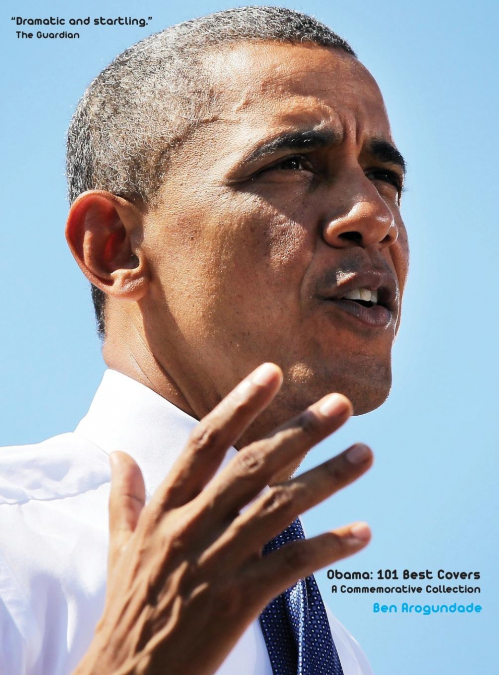
  • Barack Obama
    Ben Arogundade
    Dramatic and startling — The GuardianWitness Barack Obama as you’ve never seen him before — as feminist, communist, fashion model, Jew, Muslim terrorist, Messiah, Superman, George Washington, President Roosevelt, Julius Caesar and Hindu deity Lord Shiva.Obama: 101 Best Covers shows America’s ex-president in all these guises and more, on the front pages of the world’s leading pr...
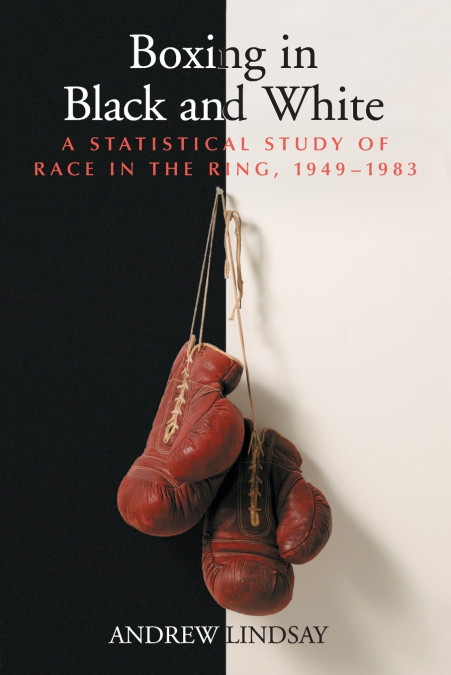
  • Boxing in Black and White
    Andrew Lindsay
    Professional sports in America offer numerous examples of equal opportunity and broken down racial barriers. These developments call for pride and celebration. Yet skin color continues to have an influence in how Americans experience sport. From Al Campanis’ statement about the under-representation of blacks in baseball front offices to the almost exclusively white ownership...
    Disponible

    42,71 €

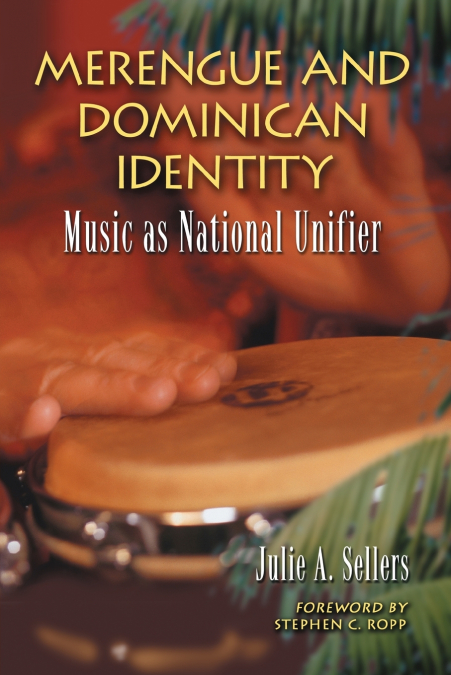
  • Merengue and Dominican Identity
    Julie A. Sellers
    The merengue is internationally recognized as the Dominican Republic’s national dance. It is an integral and unifying element of Dominican identity both within that nation and among emigrants abroad. Although Dominicans often make the claim that merengue has always been in their blood, the dance is relatively young, and its popularity among Dominicans of all social classes a...
    Disponible

    42,81 €

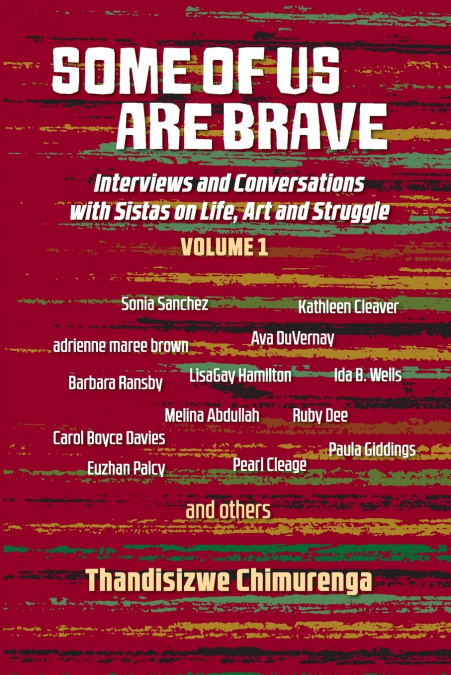
  • Some Of Us Are Brave (Vol 1)
    Thandisizwe Chimurenga
    A society born of white supremacy and patriarchy must, by definition, ignore the voices of Black women. We know that unfortunately, such an attitude will also naturally seep into every stratum of that societyPart of the contribution to correct that was the centering and airing of Black women’s voices through Some of Us Are Brave: A Black Women’s Radio Program that aired on Paci...
    Disponible

    23,12 €

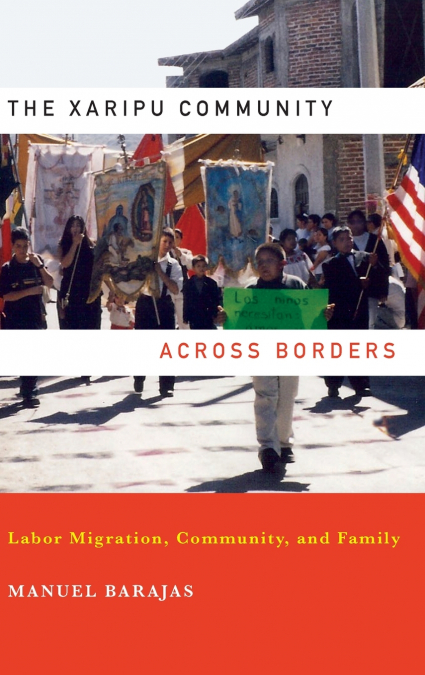
  • The Xaripu Community across Borders
    Manuel Barajas
    The Xaripu Community across Borders presents the first cross-national, comparative study that examines a Mexican-origin community’s experience with international migration and transnationalism. ...
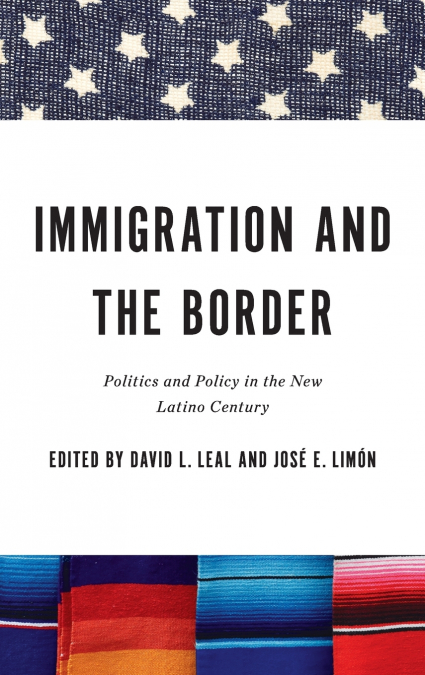
  • Immigration and the Border
    Contributors address immigration and border politics and policies, focusing on the fourth wave of immigration and the lives of Mexican and Latino immigrants. ...

Otros libros del autor

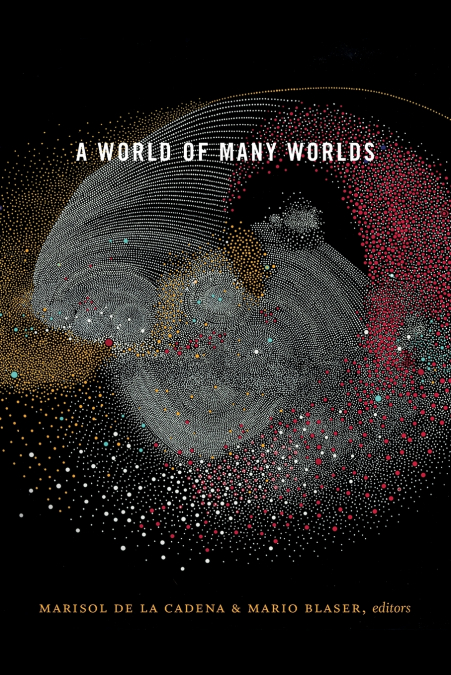
  • A World of Many Worlds
    Marisol de la Cadena
    A World of Many Worlds is a search into the possibilities that may emerge from conversations between indigenous collectives and the study of science’s philosophical production. The contributors explore how divergent knowledges and practices make worlds. They work with difference and sameness, recursion, divergence, political ontology, cosmopolitics, and relations, using them as...
    Disponible

    34,17 €

  • Earth Beings
    Marisol de la Cadena
    Earth Beings is the fruit of Marisol de la Cadena’s decade-long conversations with Mariano and Nazario Turpo, father and son, runakuna or Quechua people. Concerned with the mutual entanglements of indigenous and nonindigenous worlds, and the partial connections between them, de la Cadena presents how the Turpos’ indigenous ways of knowing and being include and exceed modern and...
    Disponible

    37,44 €