
Inicio > Economía, finanzas, empresa y gestión > Economía > Economía política > Indiens Patentrecht, die Pharmaindustrie und das Gemeinwohl
Indiens Patentrecht, die Pharmaindustrie und das Gemeinwohl

Indiens Patentrecht, die Pharmaindustrie und das Gemeinwohl

Rajat Shubhro Mukherjee

88,16 €
IVA incluido
Disponible
Editorial:
KS OmniScriptum Publishing
Año de edición:
2025
Materia
Economía política
ISBN:
9786208655785
88,16 €
IVA incluido
Disponible

Selecciona una librería:

  • Librería Samer Atenea
  • Librería Aciertas (Toledo)
  • Kálamo Books
  • Librería Perelló (Valencia)
  • Librería Elías (Asturias)
  • Donde los libros
  • Librería Kolima (Madrid)
  • Librería Proteo (Málaga)

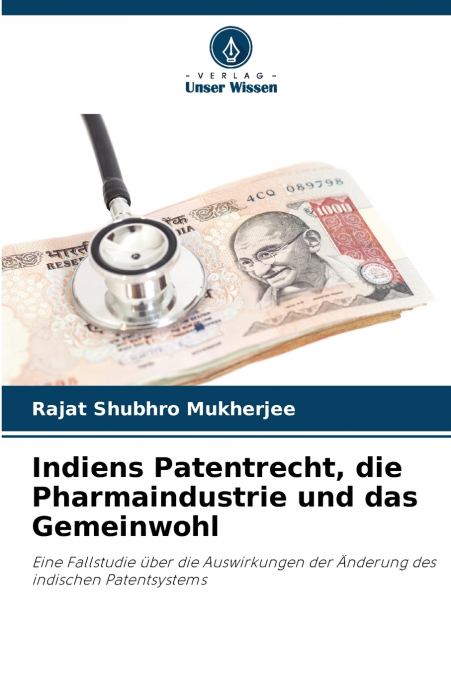
Die Gesundheitspolitik in Indien hat eine Form der Sparmaßnahme erlitten, die die öffentlichen Ausgaben extrem schrumpfen lässt. In der jüngeren Vergangenheit hatte Indien die niedrigsten Arzneimittelpreise der Welt, wodurch Medikamente für die verarmte Bevölkerung verfügbar waren. Nach Abschluss der Uruguay-Runden des GATT und der Gründung der WTO musste Indien jedoch sein Patentrecht mit den Anforderungen des TRIPS in Einklang bringen, was die Einführung von Produktpatenten anstelle von Verfahrenspatenten bedeutete, die bis dahin nicht erlaubt waren, um die Arzneimittelpreise niedrig zu halten. Die vorliegende Forschungsarbeit versucht, die verschiedenen konzeptionellen und praktischen Aspekte der Auswirkungen der Änderung des Patentsystems in Indien zu erörtern und zu untersuchen, wie sich dies auf die Industriepolitik und damit auf die Verfügbarkeit von Medikamenten in Indien, insbesondere für die von Armut betroffene Bevölkerung, ausgewirkt hat und auswirken könnte. Die vorliegende Studie soll Aufschluss darüber geben, wie sich öffentliche Politik, Geschäftsstrategien und Wohlfahrt gegenseitig beeinflussen, und die wirtschaftlichen und politischen Aspekte dieses Zusammenhangs erörtern. Sie wäre für diejenigen nützlich, die versuchen, diesen Zusammenhang und seine konzeptionellen Grundlagen zu verstehen.


Artículos relacionados

  • Private Affluence and Public Squalor
    Paul L L Nevins / Paul L Nevins
    Are the values that Americans collectively hold destroying the American Dream? The answer to that question depends upon the answers to some very specific questions. What do we as citizens of the United States believe we owe to one another as citizens? What is the purpose of government? What is of the role of the private enterprise? What is the meaning of equal opportunity? To w...
    Disponible

    24,04 €

  • Of Privacy and Power
    Abraham L. Newman / Henry Farrell
    How disputes over privacy and security have shaped the relationship between the European Union and the United States and what this means for the futureWe live in an interconnected world, where security problems like terrorism are spilling across borders, and globalized data networks and e-commerce platforms are reshaping the world economy. This means that states’ jurisdictions ...
    Disponible

    30,80 €

  • Migration and Democracy
    Abel Escribà-Folch / Covadonga Meseguer / Joseph Wright
    How remittances-money sent by workers back to their home countries-support democratic expansionIn the growing body of work on democracy, little attention has been paid to its links with migration. Migration and Democracy focuses on the effects of worker remittances-money sent by migrants back to their home countries-and how these resources shape political action in the Global S...
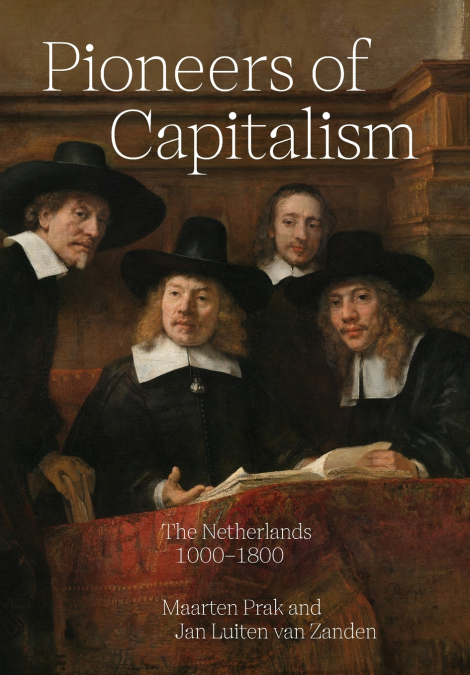
  • Pioneers of Capitalism
    Jan Luiten van Zanden / Maarten Prak / Ian Cressie
    How medieval Dutch society laid the foundations for modern capitalismThe Netherlands was one of the pioneers of capitalism in the Middle Ages, giving rise to the spectacular Dutch Golden Age while ushering in an era of unprecedented, long-term economic growth. Pioneers of Capitalism examines the formal and informal institutions in the Netherlands that made this economic miracle...
  • Pillars of Prosperity
    Timothy Besley / Torsten Persson
    How nations can promote peace, prosperity, and stability through cohesive political institutions'Little else is required to carry a state to the highest degree of opulence from the lowest barbarism, but peace, easy taxes, and a tolerable administration of justice; all the rest being brought about by the natural course of things.' So wrote Adam Smith a quarter of a millennium ag...
    Disponible

    57,93 €

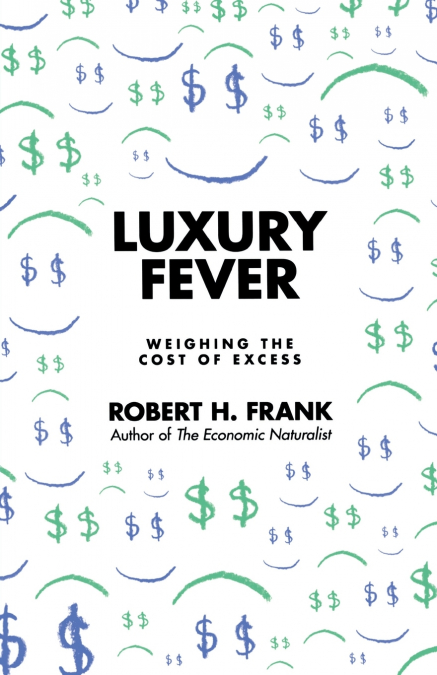
  • Luxury Fever
    Robert H. Frank
    The turn of the twenty-first century witnessed a spectacular rise in gross consumption. With the super-rich setting the pace, everyone spent furiously in a desperate attempt to keep up. As cars and houses grew larger and more expensive, the costs were enormous--not only monetarily but also socially. Consumers spent more time at work and less time with their family and friends; ...
    Disponible

    35,97 €

Otros libros del autor

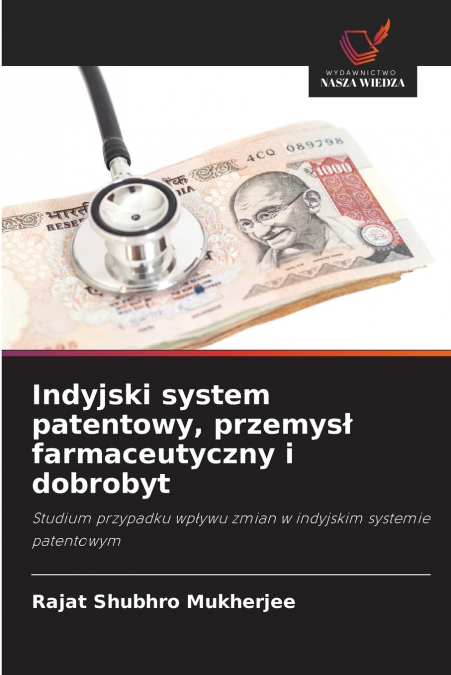
  • Indyjski system patentowy, przemysł farmaceutyczny i dobrobyt
    Rajat Shubhro Mukherjee
    Polityka zdrowotna w Indiach ucierpiała z powodu oszczędności, które sprawiają, że wydatki publiczne są niezwykle niskie. Biorąc pod uwagę najnowszą historię, Indie miały najniższe ceny leków na świecie, dzięki czemu leki były dostępne dla zubożałej populacji. Jednak po zakończeniu urugwajskich rund GATT i utworzeniu WTO Indie musiały dostosować swoje prawo patentowe do wymogów...
    Disponible

    88,22 €

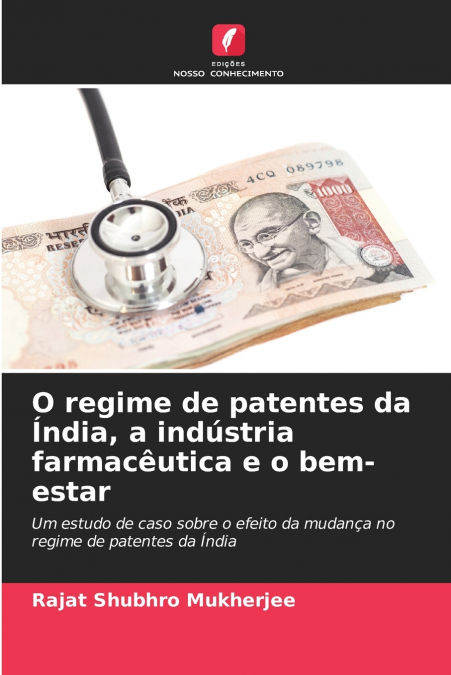
  • O regime de patentes da Índia, a indústria farmacêutica e o bem-estar
    Rajat Shubhro Mukherjee
    A política de saúde na Índia foi objeto de uma forma de austeridade que torna as despesas públicas extremamente reduzidas. De acordo com a história recente, a Índia tinha os preços dos medicamentos mais baixos do mundo, o que tornava os medicamentos acessíveis à população empobrecida. No entanto, após a conclusão das rondas do Uruguai do GATT e a formação da OMC, a Índia teve d...
    Disponible

    88,18 €

  • Le régime des brevets en Inde, l’industrie pharmaceutique et le bien-être
    Rajat Shubhro Mukherjee
    La politique de santé en Inde a souffert d’une forme d’austérité qui a considérablement réduit les dépenses publiques. Si l’on se réfère à l’histoire récente, l’Inde avait les prix des médicaments les plus bas au monde, ce qui permettait aux populations pauvres d’avoir accès aux médicaments. Cependant, après la conclusion des négociations d’Uruguay du GATT et la création de l’O...
    Disponible

    88,17 €

  • Il regime dei brevetti in India, l’industria farmaceutica e il welfare
    Rajat Shubhro Mukherjee
    La politica sanitaria in India ha subito una forma di austerità che rende la spesa pubblica estremamente ridotta. Stando alla storia recente, l’India aveva i prezzi dei farmaci più bassi al mondo, rendendoli disponibili alla popolazione povera. Tuttavia, dopo la conclusione dei cicli di Uruguay del GATT e la formazione dell’OMC, l’India ha dovuto allineare la propria legge sui ...
    Disponible

    88,21 €