
Inicio > Matemáticas y ciencia > Biologia, ciencias de la vida > Zoología y ciencias animales > Improving the Utility and Translation of Animal Models for Nervous System Disorders
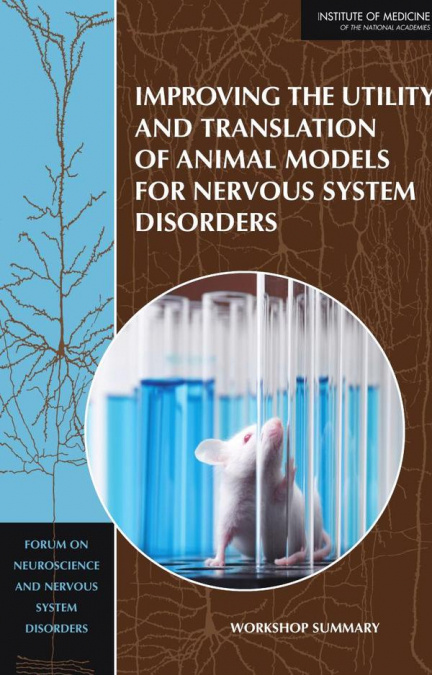
Improving the Utility and Translation of Animal Models for Nervous System Disorders

Improving the Utility and Translation of Animal Models for Nervous System Disorders

AA.VV

35,31 €
IVA incluido
Disponible
Editorial:
National Academies Press
Año de edición:
2013
Materia
Zoología y ciencias animales
ISBN:
9780309266338
35,31 €
IVA incluido
Disponible

Selecciona una librería:

  • Librería Samer Atenea
  • Librería Aciertas (Toledo)
  • Kálamo Books
  • Librería Perelló (Valencia)
  • Librería Elías (Asturias)
  • Donde los libros
  • Librería Kolima (Madrid)
  • Librería Proteo (Málaga)

Nervous system diseases and disorders are highly prevalent and substantially contribute to the overall disease burden. Despite significant information provided by the use of animal models in the understanding of the biology of nervous system disorders and the development of therapeutics; limitations have also been identified. Treatment options that are high in efficacy and low in side effects are still lacking for many diseases and, in some cases are nonexistent. A particular problem in drug development is the high rate of attrition in Phase II and III clinical trials. Why do many therapeutics show promise in preclinical animal models but then fail to elicit predicted effects when tested in humans? On March 28 and 29, 2012, the Institute of Medicine Forum on Neuroscience and Nervous System Disorders convened the workshop ’Improving Translation of Animal Models for Nervous System Disorders’ to discuss potential opportunities for maximizing the translation of new therapies from animal models to clinical practice. The primary focus of the workshop was to examine mechanisms for increasing the efficiency of translational neuroscience research through discussions about how and when to use animal models most effectively and then best approaches for the interpretation of the data collected. Specifically, the workshop objectives were to: discuss key issues that contribute to poor translation of animal models in nervous system disorders, examine case studies that highlight successes and failures in the development and application of animal models, consider strategies to increase the scientific rigor of preclinical efficacy testing, explore the benefits and challenges to developing standardized animal and behavioral models. Improving the Utility and Translation of Animal Models for Nervous System Disorders: Workshop Summary also identifies methods to facilitate development of corresponding animal and clinical endpoints, indentifies methods that would maximize bidirectional translation between basic and clinical research and determines the next steps that will be critical for improvement of the development and testing of animal models of disorders of the nervous system.

Artículos relacionados

  • Animaltown
    Urban space constitutes a place where people and animals live together in close proximity with each other, creating changing landscapes of co-existence, conflict, mutual dependencies and exploitation. The medieval animals found in the articles of Animaltown: Beasts in Medieval Urban Space, appear in text and image, as well as archaeological find materials in the form of butcher...
    Disponible

    109,24 €

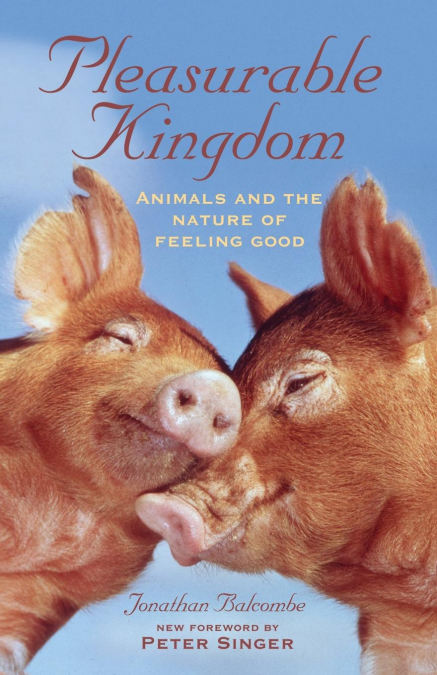
  • Pleasurable Kingdom
    Jonathan Balcombe
    Pleasurable Kingdom presents new evidence that animals--like humans--enjoy themselves. From birds to baboons, insects to iguanas, animals feel good thanks to play, sex, touch, food, anticipation, comfort, aesthetics, and more. Combining rigorous evidence, elegant argument and amusing anecdotes, leading animal behavior researcher Jonathan Balcombe shows that the possibility of p...
    Disponible

    18,96 €

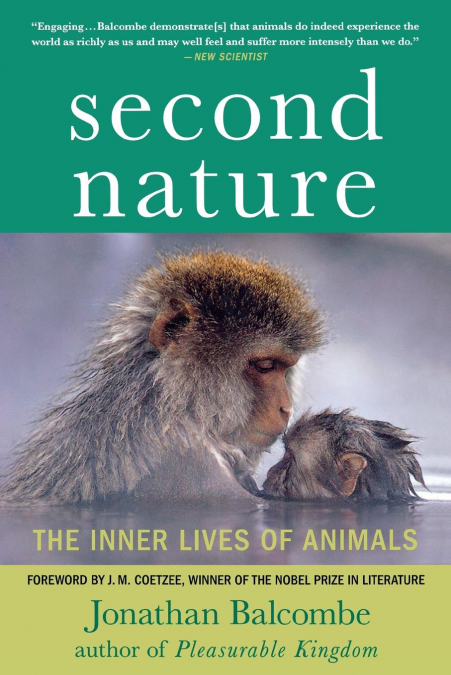
  • SECOND NATURE
    Jonathan Balcombe
    ...
    Disponible

    16,52 €

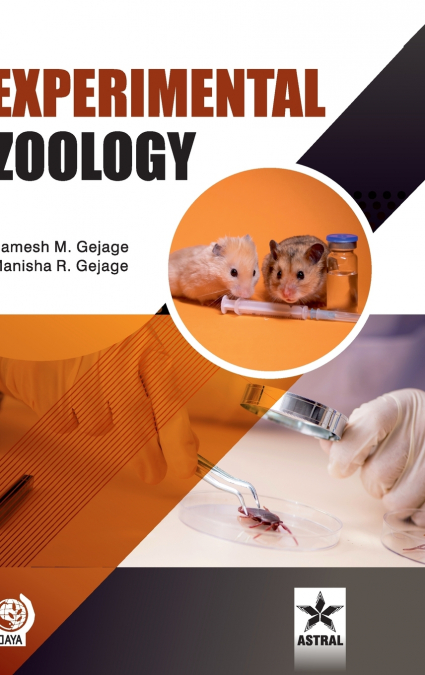
  • Experimental Zoology
    Manisha R Gejage / Ramesh M Gejage
    The goal of the book is to present the practical knowledge of Zoology. Animal diversity, venomous and non-venomous snakes, study of birds, brain of fowl and hyoid apparatus, sclerotic plates, pecten and collumella of fowl, scales of fishes, biochemical tests, activity of salivary amylase, estimation of total protein and lipid, DNA isolation and estimation of uric acid are given...
  • TOXICOLOGY
    M A SUBRAMANIAN
    In an era defined by burgeoning human populations, rampant industrialization, cutting-edge technological progress, and expanding urban landscapes, the integrity of our natural environment faces unprecedented challenges. The relentless march of progress has ushered in a flood of chemicals, seeping into the very fabric of our ecosystems and posing insidious threats to biological ...
    Disponible

    23,69 €

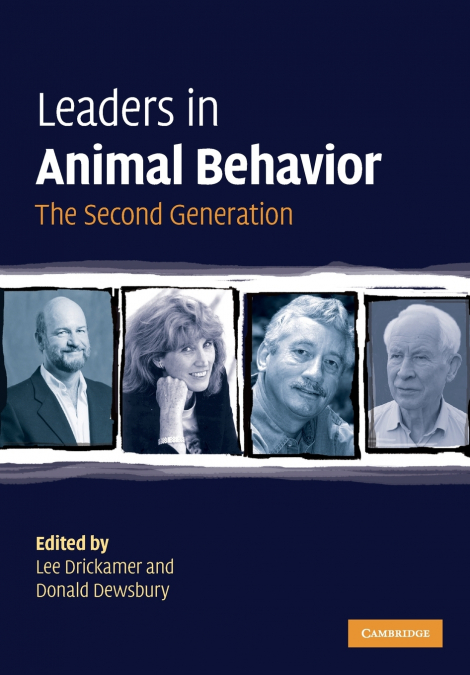
  • Leaders in Animal Behavior
    Donald Dewsbury / Lee Drickamer
    ...
    Disponible

    64,68 €