Inicio > Matemáticas y ciencia > Biologia, ciencias de la vida > Il pesce come potenziale fonte di infezioni batteriche nell’uomo
Il pesce come potenziale fonte di infezioni batteriche nell’uomo

Il pesce come potenziale fonte di infezioni batteriche nell’uomo

Raafat Shaapan / Waleed Salah El-Din

75,95 €
IVA incluido
Disponible
Editorial:
KS OmniScriptum Publishing
Año de edición:
2026
Materia
Biologia, ciencias de la vida
ISBN:
9786209666674
75,95 €
IVA incluido
Disponible

Selecciona una librería:

  • Librería Samer Atenea
  • Kálamo Books
  • Librería Elías (Asturias)
  • Librería Kolima (Madrid)
  • Librería Proteo (Málaga)

I batteri sono i patogeni più comuni dei pesci d’acqua calda allevati e causano gravi perdite all’acquacoltura d’acqua dolce in Egitto e altrove. Le specie ittiche comunemente colpite includono carpe, tilapia, anguille, pesci gatto, salmoni e trote. Molti batteri potenzialmente patogeni per i pesci esistono normalmente in associazione commensale con l’ospite o vivono liberi nell’ambiente. Entrambi questi tipi di batteri diventano patogeni quando il pesce è immunocompromesso da qualche forma di stress. Le infezioni umane causate da agenti patogeni trasmessi dai pesci o dall’ambiente acquatico sono piuttosto comuni e dipendono dai pazienti, dal contatto con i pesci e dall’ambiente correlato, dalle abitudini alimentari e dallo stato del sistema immunitario dell’individuo esposto. Si tratta spesso di specie batteriche facoltativamente patogene sia per i pesci che per gli esseri umani e possono essere isolate dai pesci senza sintomi apparenti della malattia. La fonte dell’infezione può essere costituita dai pesci allevati sia per scopi alimentari che per hobby.

Artículos relacionados

  • Viral Replication Complexes
    Viruses are obligate intracellular parasites that need to co-opt a living cell’s machinery for replication. At the heart of the viral replication machinery are the nucleic acid polymerases, which are responsible for efficiently copying the viral genome. This process must often be coordinated with other viral processes, including protein translation and viral packaging. The poly...
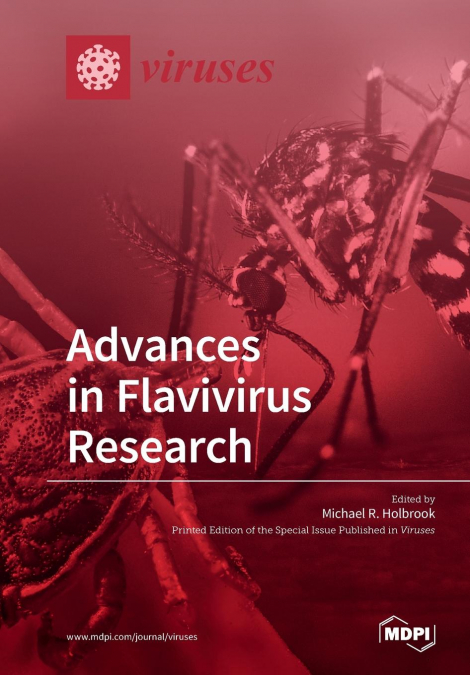
  • Advances in Flavivirus Research
    The flaviviruses are composed almost entirely of arthropod-borne viruses, a subset of which are responsible for millions of cases of human disease each year. Among these viruses are dengue virus—a scourge throughout the tropical regions of Asia and the Americas; yellow fever virus—the “original” hemorrhagic fever virus; and the recently emerged Zika virus. While the flaviviruse...
    Disponible

    57,84 €

  • Brain Asymmetry of Structure and/or Function
    Lesley J. Rogers / Lesley JRogers
    This edited book brings together research reports on the asymmetry of brain function in various species, including humans, dogs, birds, lizards and bees. As shown in a wide range of species, and, as we now know, not solely in humans, the left and right sides of the brain process information in different ways and control different responses or patterns of behaviour. Since this d...
    Disponible

    57,94 €

  • Fungal Pigments
    With the impact of globalization in research trends, the search for healthier life styles, the increasing public demand for natural, organic, and ‘clean labelled’ products, as well as the growing global market for natural colorants in economically fast-growing countries all over the world, filamentous fungi started to be investigated as readily available sources of chemically d...
    Disponible

    49,00 €

  • The Epithelialto- Mesenchymal Transition ( EMT ) in Cancer
    Joëlle Roche
    The epithelial-to-mesenchymal transition (EMT) is a highly dynamic process with multiple transitional states, by which epithelial cells can convert into a mesenchymal phenotype. This process involves loss of cellular adhesion and cellular polarity, and an improvement in migratory and invasive properties. It occurs during normal embryonic development, tissue regeneration, organ ...
    Disponible

    75,75 €

  • The Biology and Treatment of Myeloid Leukaemias
    There has been an observed decrease in the global mortality from cancer, mostly atributable to improved, particularly early, detection and prevention. For many carcinomas and leukaemias in adults, once the disease has reached a certain stage there are no therapies that are able to erradicate the cancer cells and cure patients. There has been progress in the treatment of acute m...
    Disponible

    57,84 €

Otros libros del autor

  • Le poisson comme source potentielle d’infection bactérienne chez l’homme
    Raafat Shaapan / Waleed Salah El-Din
    Les bactéries sont les agents pathogènes les plus courants chez les poissons d’eau chaude d’élevage et causent des pertes importantes à l’aquaculture en eau douce en Égypte et ailleurs. Les espèces de poissons couramment touchées comprennent la carpe, le tilapia, l’anguille, le poisson-chat, le saumon et la truite. De nombreuses bactéries potentiellement pathogènes pour les poi...
    Disponible

    75,95 €

  • Fisch als potenzielle Quelle für bakterielle Infektionen beim Menschen
    Raafat Shaapan / Waleed Salah El-Din
    Bakterien sind die häufigsten Krankheitserreger bei Warmwasserfischen in Zuchtbetrieben und verursachen große Verluste in der Süßwasser-Aquakultur in Ägypten und anderen Ländern. Zu den häufig betroffenen Fischarten gehören Karpfen, Tilapia, Aal, Wels, Lachs und Forelle. Viele potenziell pathogene Bakterien von Fischen leben normalerweise in einer kommensalen Beziehung mit dem ...
    Disponible

    75,95 €

  • Ryby jako potencjalne źródło infekcji bakteryjnych u ludzi
    Raafat Shaapan / Waleed Salah El-Din
    Bakterie są najczęstszymi patogenami hodowanych ryb ciepłowodnych i powodują znaczne straty w akwakulturze słodkowodnej w Egipcie i innych krajach. Do gatunków ryb, które najczęściej są nimi dotknięte, należą karp, tilapia, węgorz, sum, łosoś i pstrąg. Wiele potencjalnie chorobotwórczych bakterii ryb normalnie występuje w symbiozie z żywicielem lub żyje swobodnie w środowisku. ...
    Disponible

    75,95 €

  • O peixe como fonte potencial de infeção bacteriana em humanos
    Raafat Shaapan / Waleed Salah El-Din
    As bactérias são os agentes patogénicos mais comuns em peixes de água quente cultivados e causam grandes prejuízos à aquicultura de água doce no Egito e em outros lugares. As espécies de peixes comumente afetadas incluem carpa, tilápia, enguia, peixe-gato, salmão e truta. Muitas bactérias potencialmente patogénicas para peixes normalmente existem em uma associação comensal com ...
    Disponible

    75,95 €