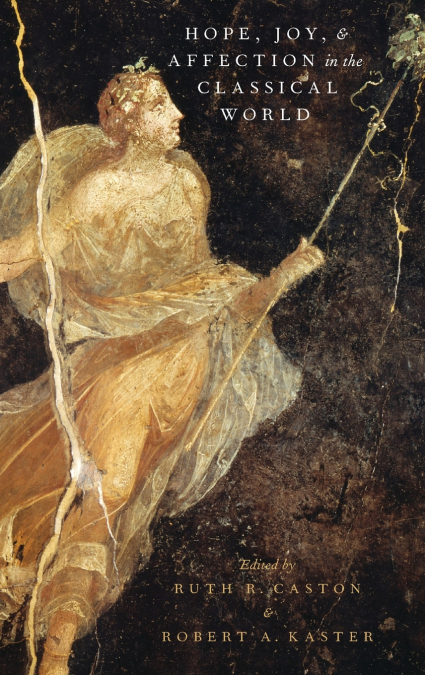

Hope, Joy, and Affection in the Classical World

Hope, Joy, and Affection in the Classical World


173,67 €
IVA incluido
Consulta disponibilidad
Editorial:
Oxford University Press
Año de edición:
2016
Materia
Filosofía occidental: antigua, hasta c. 500
ISBN:
9780190278298

Selecciona una librería:

  • Librería Samer Atenea
  • Librería Aciertas (Toledo)
  • Kálamo Books
  • Librería Perelló (Valencia)
  • Librería Elías (Asturias)
  • Donde los libros
  • Librería Kolima (Madrid)
  • Librería Proteo (Málaga)

The emotions have long been an interest for those studying ancient Greece and Rome. But while the last few decades have produced excellent studies of individual emotions and the different approaches to them by the major philosophical schools, the focus has been almost entirely on negative emotions. This might give the impression that the Greeks and Romans had little to say about positive emotion, something that would be misguided. As the chapters in this collection indicate, there are representations of positive emotions extending from archaic Greek poetry to Augustine, and in both philosophical works and literary genres as wide-ranging as lyric poetry, forensic oratory, comedy, didactic poetry, and the novel. Nor is the evidence uniform: while many of the literary representations give expression to positive emotion but also describe its loss, the philosophers offer a more optimistic assessment of the possibilities of attaining joy or contentment in this life. The positive emotions show some of the same features that all emotions do. But unlike the negative emotions, which we are able to describe and analyze in great detail because of our preoccupation with them, positive emotions tend to be harder to articulate. Hence the interest of the present study, which considers how positive emotions are described, their relationship to other emotions, the ways in which they are provoked or upset by circumstances, how they complicate and enrich our relationships with other people, and which kinds of positive emotion we should seek to integrate. The ancient works have a great deal to say about all of these topics, and for that reason deserve more study, both for our understanding of antiquity and for our understanding of the positive emotions in general.

Artículos relacionados

  • The Nature of Things
    Lucretius Lucretius
    De rerum natura (On the Nature of Things) is a 1st century BC didactic poem by the Roman poet and philosopher Lucretius with the goal of explaining Epicurean philosophy to a Roman audience. Lucretius presents the principles of atomism; the nature of the mind and soul; explanations of sensation and thought; the development of the world and its phenomena; and explains a variety o...
  • Pompeii
    Fergus Mason
    Pompeii was one of most advanced cities of its time; it had a complex water system, gymnasium, and an amphitheater. Despite it's advancements, there was one thing it wasn't ready for: Mount Vesuvius—the volcano that led to its ultimate doom.  The 79 AD eruption of Mount Vesuvius was one of the worst disasters in all of European history. In a near instant, over 15,000 p...
    Disponible

    10,36 €

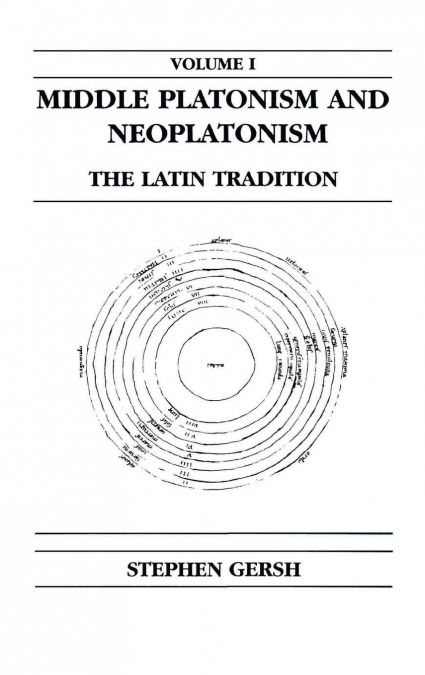
  • Middle Platonism and Neoplatonism, Volume 1
    Stephen Gersh
    'It is generally agreed that those types of philosophy that are loosely called ’Platonic’ and ’Neoplatonic’ played a crucial role in the history of European culture during the centuries between antiquity and the Renaissance. However, until now no scholar has attempted to describe the evolution of these forms of thought in a single comprehensive academic study.' So writes Stephe...
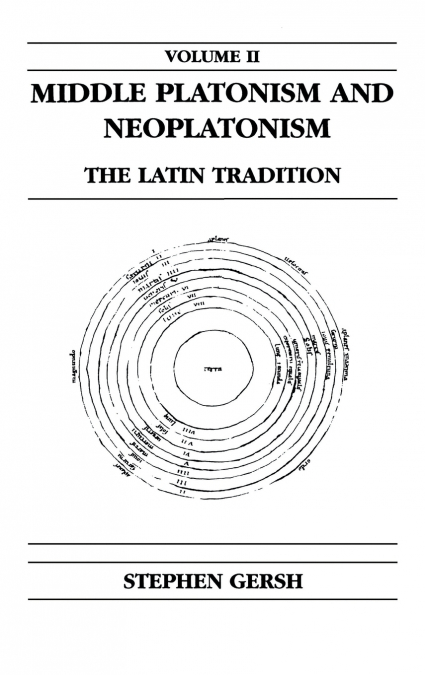
  • Middle Platonism and Neoplatonism, Volume 2
    Stephen Gersh
    It is generally agreed that those types of philosophy that are loosely called 'Platonic' and 'Neoplatonic' played a crucial role in the history of European culture during the centuries between antiquity and the Middle Ages. However, until now no scholar has attempted to describe the evolution of these forms of thought in a single comprehensive academic study. Middle Platonism a...
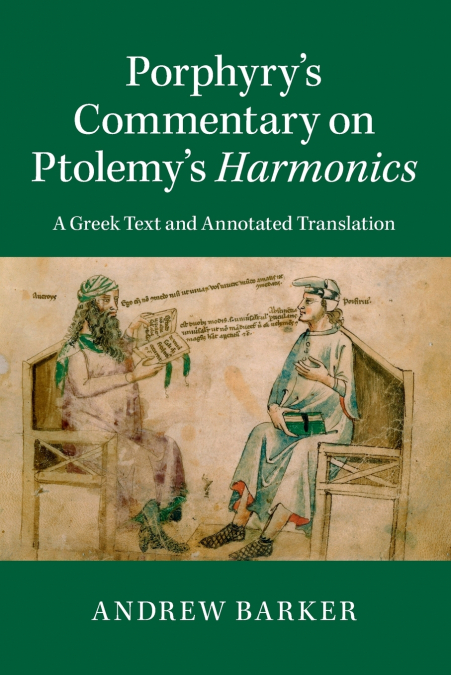
  • Porphyry’s Commentary on Ptolemy’s Harmonics
    Andrew Barker
    ...
    Disponible

    77,17 €

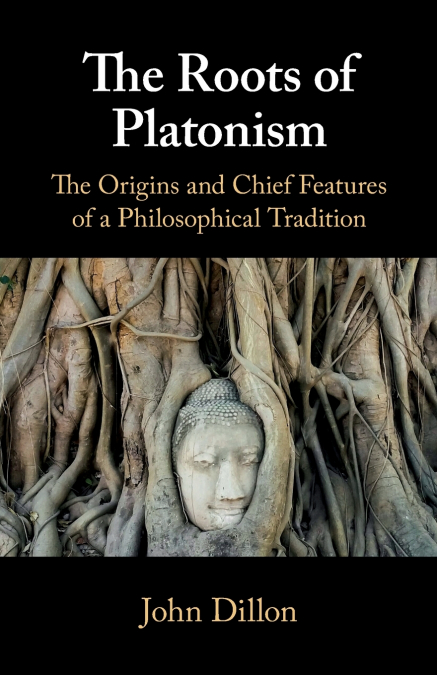
  • The Roots of Platonism
    John Dillon
    ...
    Disponible

    25,29 €