Inicio > Matemáticas y ciencia > Biologia, ciencias de la vida > Hepatoprotektive Wirkung von Spirulina platensis
Hepatoprotektive Wirkung von Spirulina platensis

Hepatoprotektive Wirkung von Spirulina platensis

Sarika Saxena / Savita Gupta / Ved Prakash

60,38 €
IVA incluido
Disponible
Editorial:
KS OmniScriptum Publishing
Año de edición:
2025
Materia
Biologia, ciencias de la vida
ISBN:
9786208494919
60,38 €
IVA incluido
Disponible

Selecciona una librería:

  • Librería Samer Atenea
  • Librería Aciertas (Toledo)
  • Kálamo Books
  • Librería Perelló (Valencia)
  • Librería Elías (Asturias)
  • Donde los libros
  • Librería Kolima (Madrid)
  • Librería Proteo (Málaga)

Die Leber ist das wichtigste Organ für den Stoffwechsel, die Verdauung, die Entgiftung und die Ausscheidung toxischer Verbindungen. Die Leber spielt eine zentrale Rolle im Arzneimittelstoffwechsel. Spirulina gehört zur Familie der Oscillateriaceae, die auch als Arthrospira bezeichnet wird. Spirulina ist eine wichtige Quelle für das blaue photosynthetische Pigment Phycocyanin (PC). Tetrachlorkohlenstoff (CCl4) ist bekannt für seine hepatotoxische und nephrotoxische Wirkung. Spirulina zeigt eine hepatoprotektive Wirkung gegen Giftstoffe wie CCl4, Paracetamol, Alkohol usw., indem es ROS abfängt. Freie Radikale sind hochreaktive Verbindungen mit einer ungeraden Anzahl von Elektronen in ihrer äußersten Schale, wie z. B. H2O2 und Singulett-O2. ROS (reaktive Sauerstoffspezies) sind sehr schädlich. ROS werden während normaler physiologischer Vorgänge kontinuierlich produziert und durch antioxidative Abwehrmechanismen entfernt. Spirulina platensis ist reich an Proteinen und enthält etwa 60 % bis 69 % Proteine, 16 % bis 20 % Kohlenhydrate, 5 % bis 7 % Lipide, 6 % bis 9 % Mineralien usw. Es enthält Phytopigmente wie Gesamtcarotinoide, β-Carotin, Xanthophylle, Zeaxanthin, Chlorophylle und Phycocyanin.
Artículos relacionados

  • Viral Replication Complexes
    Viruses are obligate intracellular parasites that need to co-opt a living cell’s machinery for replication. At the heart of the viral replication machinery are the nucleic acid polymerases, which are responsible for efficiently copying the viral genome. This process must often be coordinated with other viral processes, including protein translation and viral packaging. The poly...
    Disponible

    99,07 €

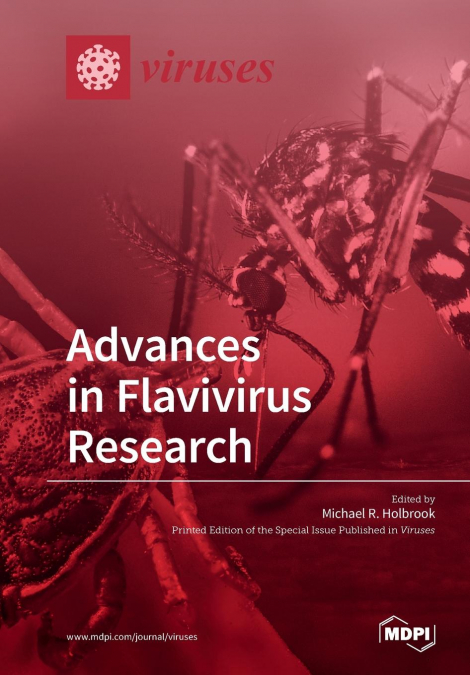
  • Advances in Flavivirus Research
    The flaviviruses are composed almost entirely of arthropod-borne viruses, a subset of which are responsible for millions of cases of human disease each year. Among these viruses are dengue virus—a scourge throughout the tropical regions of Asia and the Americas; yellow fever virus—the “original” hemorrhagic fever virus; and the recently emerged Zika virus. While the flaviviruse...
    Disponible

    51,85 €

  • Brain Asymmetry of Structure and/or Function
    Lesley J. Rogers / Lesley JRogers
    This edited book brings together research reports on the asymmetry of brain function in various species, including humans, dogs, birds, lizards and bees. As shown in a wide range of species, and, as we now know, not solely in humans, the left and right sides of the brain process information in different ways and control different responses or patterns of behaviour. Since this d...
    Disponible

    51,71 €

  • Fungal Pigments
    With the impact of globalization in research trends, the search for healthier life styles, the increasing public demand for natural, organic, and ‘clean labelled’ products, as well as the growing global market for natural colorants in economically fast-growing countries all over the world, filamentous fungi started to be investigated as readily available sources of chemically d...
    Disponible

    43,80 €

  • The Epithelialto- Mesenchymal Transition ( EMT ) in Cancer
    Joëlle Roche
    The epithelial-to-mesenchymal transition (EMT) is a highly dynamic process with multiple transitional states, by which epithelial cells can convert into a mesenchymal phenotype. This process involves loss of cellular adhesion and cellular polarity, and an improvement in migratory and invasive properties. It occurs during normal embryonic development, tissue regeneration, organ ...
    Disponible

    67,86 €

  • The Biology and Treatment of Myeloid Leukaemias
    There has been an observed decrease in the global mortality from cancer, mostly atributable to improved, particularly early, detection and prevention. For many carcinomas and leukaemias in adults, once the disease has reached a certain stage there are no therapies that are able to erradicate the cancer cells and cure patients. There has been progress in the treatment of acute m...
    Disponible

    51,85 €

Otros libros del autor

  • Activité hépatoprotectrice de Spirulina platensis
    Sarika Saxena / Savita Gupta / Ved Prakash
    Le foie est l’organe le plus important impliqué dans le métabolisme, la digestion, la détoxification et l’élimination des composés toxiques. Le foie joue un rôle central dans le métabolisme des médicaments. La spiruline appartient à la famille des Oscillateriaceae, également appelée Arthrospira. La spiruline est une source importante de pycocyanine (PC), un pigment photosynthét...
    Disponible

    60,32 €

  • Attività epatoprotettiva della Spirulina platensis
    Sarika Saxena / Savita Gupta / Ved Prakash
    Il fegato è l’organo più importante coinvolto nel metabolismo, nella digestione, nella disintossicazione e nell’eliminazione dei composti tossici. Il fegato svolge un ruolo centrale nel metabolismo dei farmaci. La spirulina appartiene alla famiglia delle Oscillateriaceae, nota anche come Arthrospira. La spirulina è un’importante fonte di picocyanina (PC), un pigmento fotosintet...
    Disponible

    60,32 €

  • Działanie hepatoprotekcyjne Spirulina platensis
    Sarika Saxena / Savita Gupta / Ved Prakash
    Wątroba jest najważniejszym organem biorącym udział w metabolizmie, trawieniu, detoksykacji i eliminacji toksycznych związków. Wątroba odgrywa kluczową rolę w metabolizmie leków. Spirulina należy do rodziny Oscillateriaceae, znanej również pod nazwą Arthrospira. Spirulina jest ważnym źródłem niebieskiego barwnika fotosyntetycznego, pikocyjaniny (PC). Czterochlorek węgla (CCl4) ...
    Disponible

    60,32 €

  • Atividade hepatoprotetora da Spirulina platensis
    Sarika Saxena / Savita Gupta / Ved Prakash
    O fígado é o órgão mais importante envolvido no metabolismo, digestão, desintoxicação e eliminação de compostos tóxicos. O fígado desempenha um papel central no metabolismo dos medicamentos. A espirulina pertence à família Oscillateriaceae, também conhecida como Arthrospira. A espirulina é uma importante fonte do pigmento fotossintético azul picocianina (PC). O tetracloreto de ...
    Disponible

    60,32 €