Lauren Green Imai / Tamaki Tiballi
 Librería Samer Atenea
 Kálamo Books
 Librería Elías (Asturias)
 Librería Kolima (Madrid)
 Librería Proteo (Málaga)
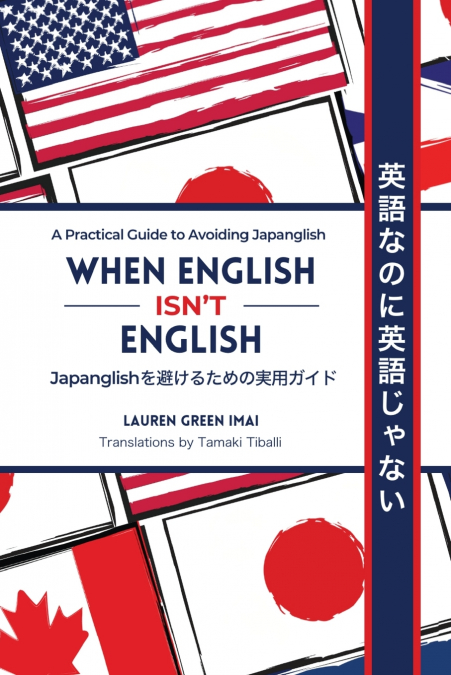
Japanglish is Japan’s own special form of words derived from English! It includes wasei-eigo or Japanese-made English as well as some gairaigo or foreign words that are mistakenly thought to be English.In Japan, business partners will be quick to share their mail ad and make an appo at the buil. A friend may invite you to a live or a nighter that’s going to be really high tension. Someone might tell you they love to eat egg sand and ice at the beach, and you may come across home doctors who prefer to give shots in a patient’s hip.You’ll learn 4 main types of Japanglish in this book:English words like cunning and mansion that have totally different meanings in JapanConsent コンセント means 'electrical outlet' in JapanUnique words like food fighter, prin clu, and baby car that don’t exist in standard EnglishJet coaster ジェットコースター means 'roller coaster' in JapanWords like barikan, pierrot, gerende that are widely thought to be English but actually originate from other languagesArbeito アルバイト comes from German and means 'part-time job' in JapanAbbreviations like OL, NG, SNS that only exist in JapanBGM ビージーエム means 'background music' in JapanIn Hang with Japanglish, Lauren Green Imai (teacher of English as a Second Language for Adults and owner of Lauren’s Language Lessons) with the help of native Japanese speaker, Tamaki Tiballi (teacher of Japanese as a Second Language for adults), guides the reader through the meanings of more than 500 essential Japanglish words, phrases, and helpful culture tips!Each term is written in English, katakana, and romaji!Each chapter comes with an audio link to make sure you can hear authentic pronunciation of key terms!This book is a must-have if you:Teach in JapanPlan to travel to, live in, or work in JapanRegularly do business with Japanese companiesWork closely with Japan expat or immigrant communitiesLove Japanese culture, J-pop, manga, anime, etc.Have an interest in learning about Japanese language and cultureHave friends, family members, or loved ones from Japan