Geteilte Zukunft

Geteilte Zukunft

Ulrike Popp

72,66 €
IVA incluido
Disponible
Editorial:
Springer Nature B.V.
Año de edición:
1994
Materia
Sociedad y cultura: general
ISBN:
9783810012951
72,66 €
IVA incluido
Disponible

Selecciona una librería:

  • Librería Samer Atenea
  • Librería Aciertas (Toledo)
  • Kálamo Books
  • Librería Perelló (Valencia)
  • Librería Elías (Asturias)
  • Donde los libros
  • Librería Kolima (Madrid)
  • Librería Proteo (Málaga)

Für das Zustandekommen dieses Buches bin ich vielen Menschen zu Dank verflichtet, die ich im Einzelnen nicht alle nennen kann. Zunächst möchte ich Ursula Neumann für ihre ermunternde Betreuung danken und dafür, daß sie mich mit meiner eigenen ethnozentrischen Sicht konfrontierte und zum vor­ sichtigen Interpretieren anregte. In diesem Kontext erinnere ich mich gern an die vielseitige Hilfs-und Gesprächsbereitschaft meiner Kolleginnen und Kol­ legen vom Forschungsprojekt Bilinguale Kinder in monolingualen Schulen der Hamburger Arbeitsgruppe FABER. Ich danke Klaus-Jürgen Tillmann für seine Bereitschaft, auch in weiter Ferne für mich als kritischer Leser und An­ sprechpartner zur Verfügung gestanden zu haben, und Marianne Horst­ kemper für die anregenden Diskussionen zum Geschlechterverhältnis und den einen oder anderen praktisch-methodischen Tip. Für orthographische Korrekturen und kritische, sorgfältige Lektüre wesentlicher Textteile bin ich Helmut Sienknecht und Peter Paschen sehr dankbar. Zu meiner Freude über­ nahm Hannelore Hackel die aufwendige Transkription der qualitativen Inter­ VIews. Die Hamburger Schulbehörde ermöglichte mir durch die Genehmigung meines Forschungsvorhabens den Zugang zu den Sekundarschulen. In die­ sem Zusammenhang möchte ich ausdrücklich betonen, daß es ohne die Betei­ ligung der Schülerinnen und Schüler und ohne die wohlwollende Bereitschaft der Lehrerinnen und Lehrer an den einbezogenen Hamburger Haupt-, Real­ und Gesamtschulen nicht realisierbar gewesen wäre, die Untersuchung in diesem Umfang durchzuführen. Mein ganz besonderer Dank gilt dabei den türkischen und deutschen Interviewpartnerinnen und -partnern für ihre Ge­ sprächsbereitschaft und Offenheit.

Artículos relacionados

  • The Gandhian Iceberg
    Chris D Moore-Backman
    The Gandhian Iceberg presents a bold, new interpretation of Gandhian nonviolence from the rare perspective of an author who is equal parts writer, scholar, and frontlines practitioner. The book faces the current crisis of climate change and the intensification of social unrest around the world, and calls for a new convergence of serious, spiritually-rooted US nonviolence activi...
    Disponible

    11,52 €

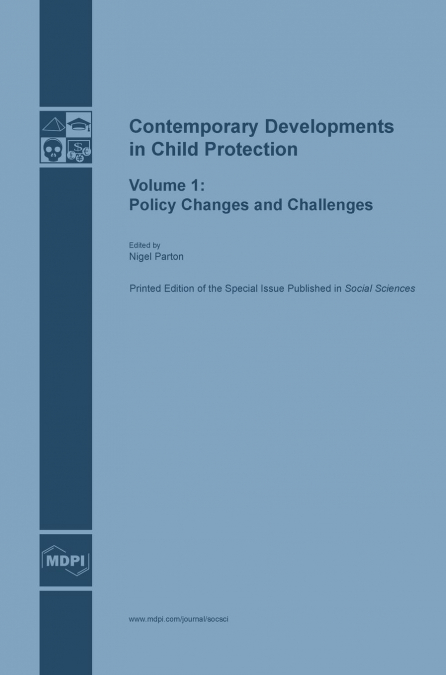
  • Contemporary Developments in Child Protection
    Nigel Parton
    Volume 1 "Policy Changes and Challenges" takes as its central theme the ongoing and challenging issues which child protection agencies have to address and the policy and practice initiatives that are developed to try and address these. The volume includes papers on: the relationship between the decline in the rate of ‘unnatural’ deaths and the growth of concern about child abus...
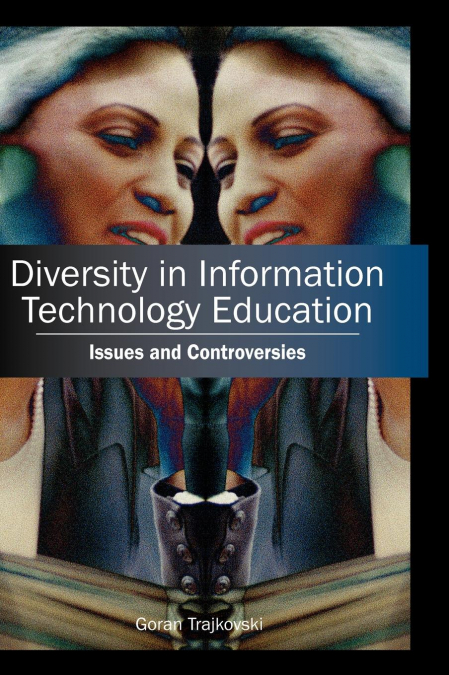
  • Diversity in Information Technology Education
    Goran Trajkovski
    ...
  • Model-Driven Software Development
    Model-driven software development (MDSD) drastically alters the software development process, characterized by a high degree of innovation and productivity. However, quality assurance application in the domain of software models and model-driven software development is still in an emergent phase. Model-Driven Software Development: Integrating Quality Assurance provides in-depth...
  • Evidence-Based Practice in Nursing Informatics
    Andrew Chasin
    Because of the constant advances and dynamics within the nascent field of nursing informatics, many nurses struggle in practice as they continue to try and apply habitual communication practices in the new environment without any critical reflection on, and adaptation of, those practices. Evidence-Based Practice in Nursing Informatics: Concepts and Applications serves as a valu...
  • Actor-Network Theory and Technology Innovation
    Arthur Tatnall
    About 25 years ago, the first developments of ANT (Actor-Network Theory) took place, but it wasn’t until much later that researchers began to take it seriously. In the late 1990s, ANT began to take hold in the scientific community as a new and exciting approach to socio-technical research and social theory. Actor-Network Theory and Technology Innovation: Advancements and New Co...