Inicio > Consulta, información y materias interdisciplinarias > Estudios interdisciplinarios > Estudios del desarrollo > Gender disparities in India’s educational system and the role of UNICEF
Gender disparities in India’s educational system and the role of UNICEF

Gender disparities in India’s educational system and the role of UNICEF

Thorsten Volberg

19,65 €
IVA incluido
Disponible
Editorial:
GRIN Verlag
Año de edición:
2008
Materia
Estudios del desarrollo
ISBN:
9783638934831
19,65 €
IVA incluido
Disponible

Selecciona una librería:

  • Librería Samer Atenea
  • Librería Aciertas (Toledo)
  • Kálamo Books
  • Librería Perelló (Valencia)
  • Librería Elías (Asturias)
  • Donde los libros
  • Librería Kolima (Madrid)
  • Librería Proteo (Málaga)

Scientific Essay from the year 2006 in the subject Politics - Topic: Development Politics, grade: 1,3, Ruhr-University of Bochum (Institute for International Law of Peace and Armed Conflict), course: European Master Programme, language: English, abstract: Violence against women and girls is the most pervasive violation of human rights in the world today. Its forms are both subtle and blatant and its impact on development profound. But it is 'so deeply embedded in cultures around the world that it is almost invisible.' Fear of reprisal, censorship of sexual issues, the shame and blame of those violated, unquestioning acceptance of tradition and the stranglehold of male dominion all play their part. Inequities, driven by overwhelming poverty, affect both male and female children in the developing world. Yet cultural traditions, scant economic resources and limited opportunities rather marginalize girls, while young boys usually have better access to health care, nutrition and education. For UNICEF 1990 became the start of a decade in which education became a high programming priority. This included increased inter-sectoral work and a broadened definition of education that expanded its scope from traditional academic study to life skills, peace and conflict resolution, rights and empowerment. Getting children back to school was considered to be as vital as interventions in health, nutrition and water and sanitation. Still the situation of India’s children is marked by diversity, persistent disparities and the challenge of enormous numbers. Despite assertions to the contrary, in 2001 India alone had 26.8 million primary school-age children not in primary school. Gender disadvantages in India are further deeply compounded by considerations of caste and class. In India, the history of the educational system is complex, marked by deep debate and many contradictions between policy and practices and between laws and their enforcement. Though India’s present constitutiona
Artículos relacionados

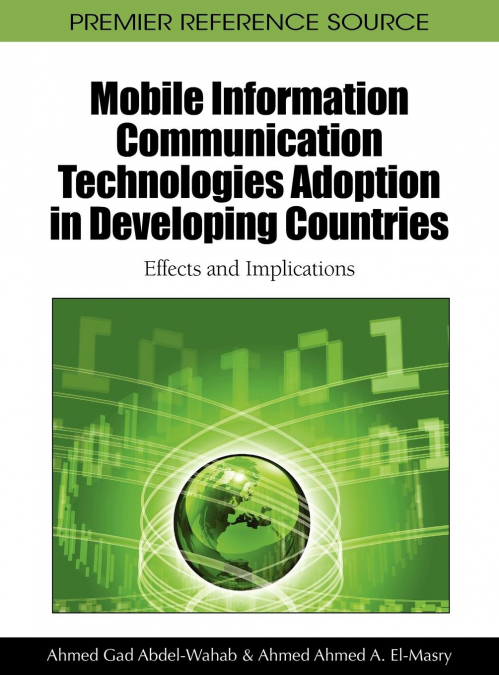
  • Mobile Information Communication Technologies Adoption in Developing Countries
    The mobile technology field is expanding with innovative research and discoveries that expand to all walks of life. Mobile technology may have its greatest impact in the developing world, because it brings telecommunication to districts that had never been reached before. Mobile Information Communication Technologies Adoption in Developing Countries: Effects and Implications re...
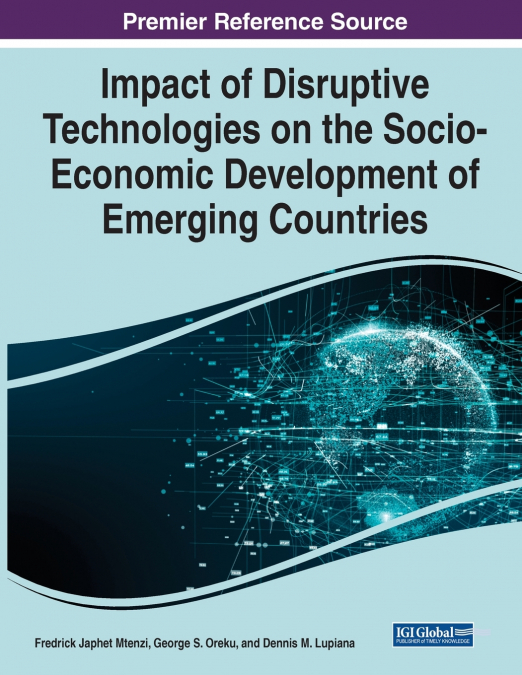
  • Impact of Disruptive Technologies on the Socio-Economic Development of Emerging Countries
    Global emergencies, such as the COVID-19 pandemic and environmental concerns, have challenged the readiness of societies and forced them to operate in more innovative ways. In response, the world has witnessed new technologies emerge and researchers continually finding better solutions to cope with these situations. It is crucial that these innovations are investigated so that ...
    Disponible

    222,57 €

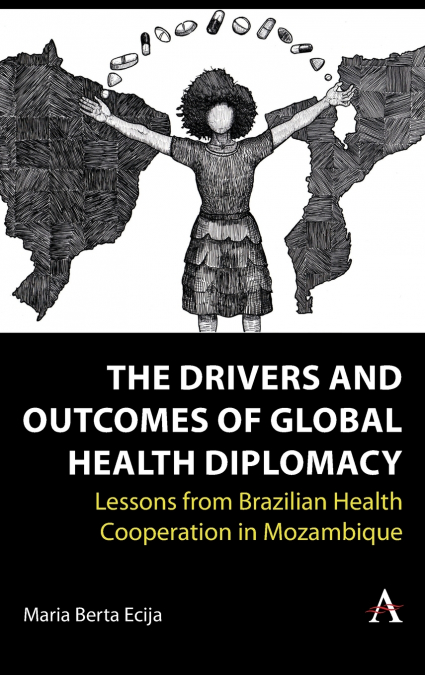
  • The Drivers and Outcomes of Global Health Diplomacy
    Maria Berta Ecija
    This book investigates the Brazilian health cooperation in Mozambique through the implementation of a pharmaceutical factory in Maputo. ...
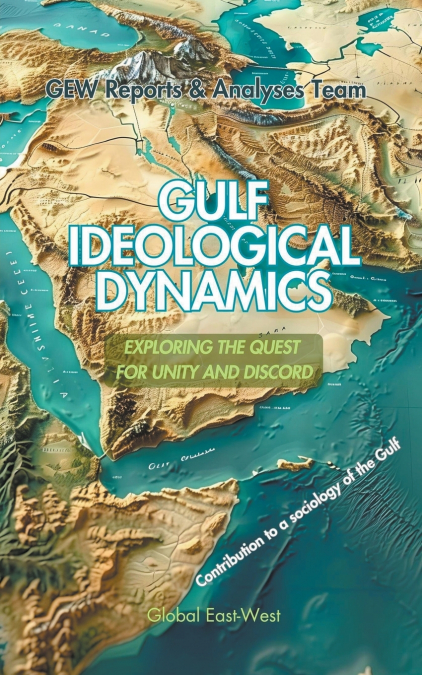
  • Gulf Ideological Dynamics
    GEW Reports & Analyses Team. / Hichem Karoui (Editor)
    The Gulf ideological system is a set of interconnected beliefs and principles governing the region’s political, economic, social, and cultural spheres. It combines various ideologies, including religious, nationalist, tribal, and pan-Islamic ideologies. It is shaped by a combination of historical, cultural, and socio-economic factors. Political alliances, economic shifts, socia...
    Disponible

    32,90 €

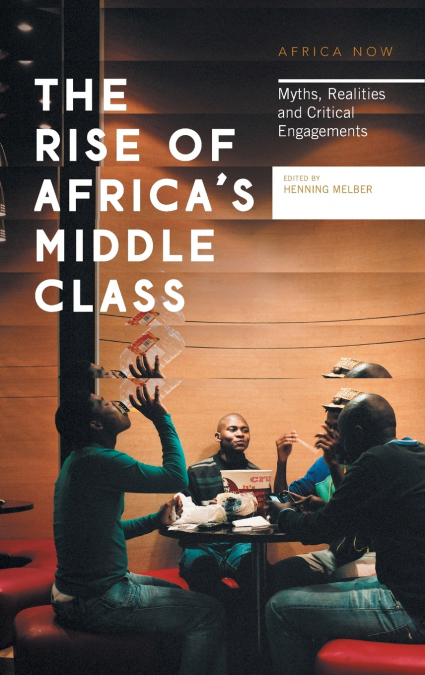
  • The Rise of Africa’s Middle Class
    Henning Melber
    Across Africa, a burgeoning middle class has become the poster child for the 'Africa rising' narrative. Ambitious, aspirational and increasingly affluent, this group is said to embody the values and hopes of the new Africa, with international bodies ranging from the United Nations Development Programme to the World Bank regarding them as important agents of both economi...
  • AIDS in Africa- How Did It Ever Happen
    Frank Ham
    This book offers a unique personal perspective on the HIV/AIDS crisis in Africa. It is a first person narrative of a European homosexual who tested positive in the early eighties. The author owes his survival to tell the tale not least to the drugs, which in his home country are accessible to any person who is HIV positive. Frank Ham visited Malawi in 1999 and repeatedly therea...
    Disponible

    36,43 €

Otros libros del autor

  • Humanitarian Principles
    Thorsten Volberg
    The humanitarian principles of humanity, neutrality and impartiality providean ethical framework that defines and delineates the humanitarian spacewithin which relief agencies are supposed to operate. Current experiences,however, show that these traditional principles were not designed to copewith the development underlying the increasing merging of humanitarian aidand politics...
    Disponible

    51,53 €