Inicio > Sociedad y ciencias sociales > Educación pedagogía > Gender Differences in Computer and Information Literacy
Gender Differences in Computer and Information Literacy

Gender Differences in Computer and Information Literacy

Eveline Gebhardt / John Ainley / Sue Thomson

66,86 €
IVA incluido
Disponible
Editorial:
Springer Nature B.V.
Año de edición:
2020
Materia
Educación pedagogía
ISBN:
9783030262051
66,86 €
IVA incluido
Disponible

Selecciona una librería:

  • Librería Samer Atenea
  • Librería Aciertas (Toledo)
  • Kálamo Books
  • Librería Perelló (Valencia)
  • Librería Elías (Asturias)
  • Donde los libros
  • Librería Kolima (Madrid)
  • Librería Proteo (Málaga)

This open access book presents a systematic investigation into internationally comparable data gathered in ICILS 2013. It identifies differences in female and male students’ use of, perceptions about, and proficiency in using computer technologies. Teachers’ use of computers, and their perceptions regarding the benefits of computer use in education, are also analyzed by gender.When computer technology was first introduced in schools, there was a prevailing belief that information and communication technologies were ’boys’ toys’; boys were assumed to have more positive attitudes toward using computer technologies. As computer technologies have become more established throughout societies, gender gaps in students’ computer and information literacy appear to be closing, although studies into gender differences remain sparse.The IEA’s International Computer and Information Literacy Study (ICILS) is designed to discover how well students are prepared for study, work, and life in the digital age. Despite popular beliefs, a critical finding of ICILS 2013 was that internationally girls tended to score more highly than boys, so why are girls still not entering technology-based careers to the same extent as boys?Readers will learn how male and female students differ in their computer literacy (both general and specialized) and use of computer technology, and how the perceptions held about those technologies vary by gender.


Artículos relacionados

  • Beekeeping At The End Of The Earth
    Mark David Leech
    Beekeeping at the End of the Earth, an essential read for learning about beekeeping in a cool temperate climate with a focus on Tasmania our island home.  One hundred beekeepers one hundred different ways to keep bees.Beekeeping At The End Of The Earth is a practical insight into cool climate beekeeping with a focus on Tasmania, our island home.Richly illustrated with unique di...
    Disponible

    45,16 €

  • Be the One for Kids
    Ryan Sheehy
    One person can make a difference.That person can be you. “I want to show others that one person can make the difference in a child’s life. I want all educators, parents, coaches, and everyone in between to know they have power to Be the One for Kids.” —Ryan Sheehy If you ever feel like you’re all alone or think that no one gets you, just imagine how your students feel. Kids wan...
    Disponible

    27,99 €

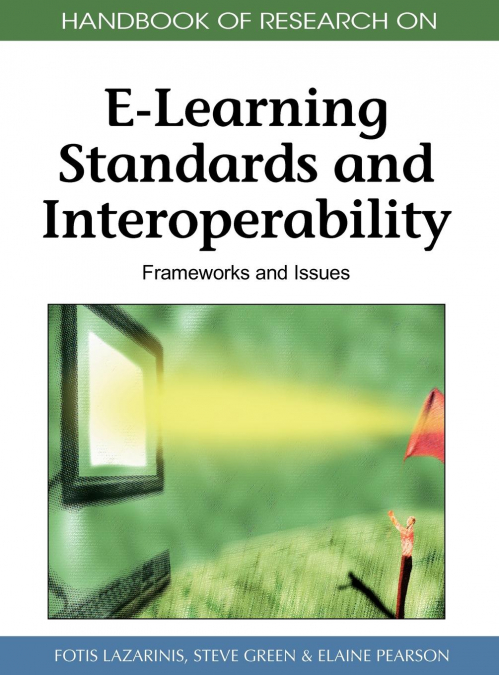
  • Handbook of Research on E-Learning Standards and Interoperability
    As the e-learning industry continues to expand and the methods and tools necessary to create and maintain content and infrastructure applications become more complicated, there is an inherent need for these applications to interoperate and exchange data in order to better support the needs of learners and educators. Handbook of Research on E-Learning Standards and Interoperabil...
    Disponible

    348,32 €

  • Teaching in the Knowledge Society
    Antonio Cartelli
    ...
    Disponible

    112,08 €

  • Enhancing Learning Through Human Computer Interaction
    Elspeth McKay
    ...
    Disponible

    216,52 €

  • Learning Objects for Instruction
    Pamela Taylor Northrup
    ...
    Disponible

    125,22 €