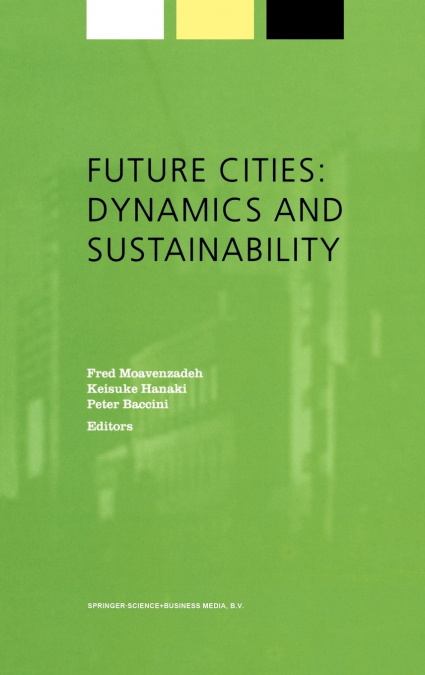
Future Cities

Future Cities

Fred Moavenzadeh / Keisuke Hanaki / Peter Baccini

134,78 €
IVA incluido
Consulta disponibilidad
Editorial:
Springer Nature B.V.
Año de edición:
2002
Materia
Meteorología y climatología
ISBN:
9781402005404

Selecciona una librería:

  • Librería Samer Atenea
  • Librería Aciertas (Toledo)
  • Kálamo Books
  • Librería Perelló (Valencia)
  • Librería Elías (Asturias)
  • Donde los libros
  • Librería Kolima (Madrid)
  • Librería Proteo (Málaga)

CITIES: CHALLENGES AND OPPORTUNITIES FOR SUSTAINABILITY BRANTLEY LIDDLE AND FRED MOAVENZADEH OR at least 4000 years, cities have been centers of cultural, social, technological Fand economic innovation, inventions and their application, and political power. Only in the last 200 years, the industrial era, have urban areas grown so rapidly, and their populations increased so dramatically that their impacts on the natural environ­ ment are being felt beyond their immediate geographic surroundings. As the 21' cen­ tury dawns, megacities-great and far-reaching concentrations of power and influ­ ence-have become centers of the phenomena of globalization and information ex­ change. These concentrations of people and activity are placing stress on the natural environment so great that it is beginning to have extensive regional, and even global impacts. However, asconcentrations ofpower-political, economic, andintellectual­ these great urban centers share with the ancestral cities of past millennia the resources to consciously shape the future. The management of these megacities (those having populations of over eight million) in their current formative stages so taxing to natural systems,paradoxicallypresents theopportunity torestoresustainableregional and global environments. Environmental problems consequent to urban growth have two sources: pov­ erty and affluence. These two conditions often coexist in dramatic contrast within the same city, particularly in developing countries. In terms of environmental impact, poverty-based problems tend to have local effects, while affluence-based problems usually have transboundary and/or global effects.


Artículos relacionados

  • The Voucher Promise
    Eva Rosen
    'A must-read for anyone interested in solutions to America’s housing crisis.'-Matthew Desmond, Pulitzer Prize-winning author of Evicted: Poverty and Profit in the American CityAn in-depth look at America’s largest rental assistance program and how it shapes the lives of residents in one low-income Baltimore neighborhoodHousing vouchers are a cornerstone of US federal housing po...
    Disponible

    27,60 €

  • Misdemeanorland
    Issa Kohler-Hausmann
    "An eye-opening account of the criminal justice system’s often overlooked creaky gears."—Sam Roberts, New York TimesIn the early 1990s, New York City launched an initiative under the banner of Broken Windows policing to dramatically expand enforcement against low-level offenses. Misdemeanorland is the first book to document the fates of the hundreds of thousands of people haule...
    Disponible

    31,88 €

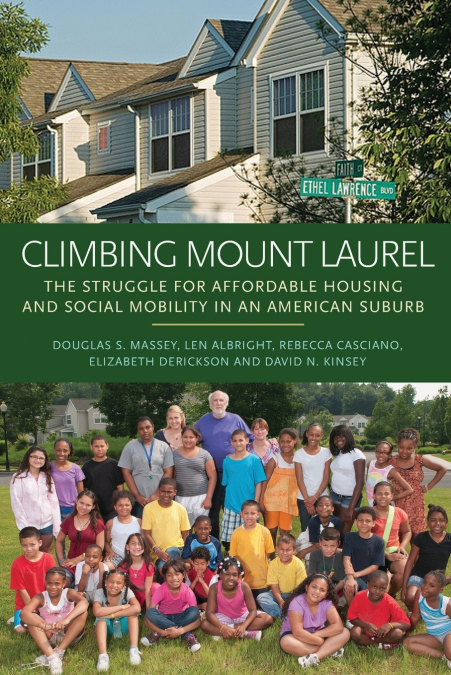
  • Climbing Mount Laurel
    Douglas S. Massey / Len Albright / Rebecca Casciano
    A close look at the aftereffects of the Mount Laurel affordable housing decisionUnder the New Jersey State Constitution as interpreted by the State Supreme Court in 1975 and 1983, municipalities are required to use their zoning authority to create realistic opportunities for a fair share of affordable housing for low- and moderate-income households. Mount Laurel was the town at...
    Disponible

    40,33 €

  • Slumming
    Seth Koven
    In the 1880s, fashionable Londoners left their elegant homes and clubs in Mayfair and Belgravia and crowded into omnibuses bound for midnight tours of the slums of East London. A new word burst into popular usage to describe these descents into the precincts of poverty to see how the poor lived: slumming. In this captivating book, Seth Koven paints a vivid portrait of the pract...
    Disponible

    60,59 €

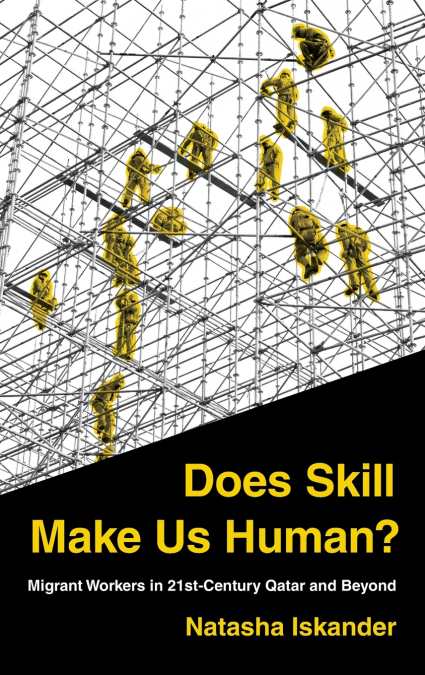
  • Does Skill Make Us Human?
    Natasha Iskander
    An in-depth look at Qatar’s migrant workers and the place of skill in the language of control and powerSkill-specifically the distinction between the 'skilled' and 'unskilled'-is generally defined as a measure of ability and training, but Does Skill Make Us Human? shows instead that skill distinctions are used to limit freedom, narrow political rights, and even deny access to i...
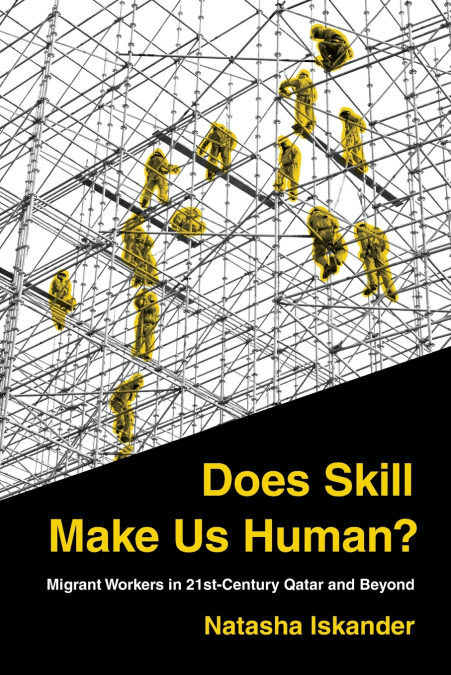
  • Does Skill Make Us Human?
    Natasha Iskander
    An in-depth look at Qatar’s migrant workers and the place of skill in the language of control and powerSkill-specifically the distinction between the 'skilled' and 'unskilled'-is generally defined as a measure of ability and training, but Does Skill Make Us Human? shows instead that skill distinctions are used to limit freedom, narrow political rights, and even deny access to i...
    Disponible

    40,03 €