
Inicio > Economía, finanzas, empresa y gestión > Economía > Economía internacional > From Centralised to Decentralising Global Economic Architecture
From Centralised to Decentralising Global Economic Architecture

From Centralised to Decentralising Global Economic Architecture


132,41 €
IVA incluido
Consulta disponibilidad
Editorial:
Springer Nature B.V.
Año de edición:
2022
Materia
Economía internacional
ISBN:
9789811920400

Selecciona una librería:

  • Librería Samer Atenea
  • Librería Aciertas (Toledo)
  • Kálamo Books
  • Librería Perelló (Valencia)
  • Librería Elías (Asturias)
  • Donde los libros
  • Librería Kolima (Madrid)
  • Librería Proteo (Málaga)

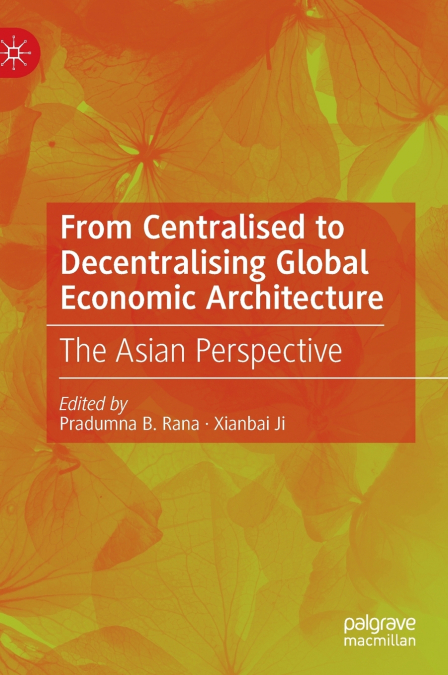
This book focuses on the recent rise of new regional economic institutions such as the Chiang Mai Initiative Multilateralisation, the Asian Infrastructure Investment Bank, and the Regional Comprehensive Economic Partnership, which were established, in part, as a result of dissatisfaction of dynamic emerging markets with global economic institutions such as the IMF, the World Bank, and the GATT/WTO. The latter were formed by advanced economies in the West, after the historic Bretton Wood Conference of 1944. In doing so, the book addresses how this recent round of decentralisation, defined as the co-existence of 'senior' global institutions and a plethora of newly-established regional institutions, has affected global economic governance, and the delivery of global public goods. It also poses the question if this has led to the fragmentation of global economic governance. The book adds value to existing literature by using a benefit-risk analytical framework to study the decentralisation process. Unlike the 'contested multilateralism' argument used by some authors which focuses on the costs of decentralisation, the authors argue that benefits must also be considered. It also describes and analyses the establishment of global and regional international economic institutions and the evolving relationships between the two. Third, the authors argue that this decentralisation process will continue in the postpandemic period and recommend policies to reset the relationship between global and regional institutions. And lastly, the book discusses proposals to reform the international monetary system including the global reserve system with a view to reducing the hegemony of the US dollar.Throughout the book, the role for Asia is also identified, and elaborated on.
Artículos relacionados

  • Regional Economic Integration and the Global Financial System
    Engin Sorhun / Hasan Dinçer / Unit Hacioglu
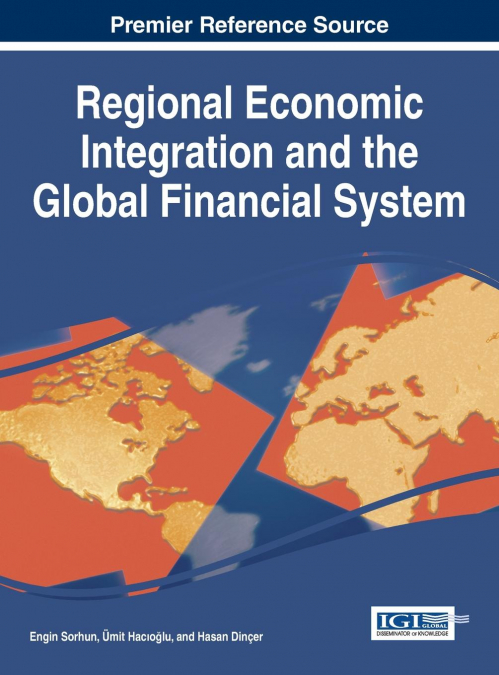
    In theory, regionalism and globalization are intended to be viewed as two separate concepts. However, as long as the approaches complement each other, considering these paradigms in tandem can have significantly positive effects on the overall status of the world economy. Regional Economic Integration and the Global Financial System addresses recent trends in regional integrati...
  • Handbook of Research on Impacts of International Business and Political Affairs on the Global Economy
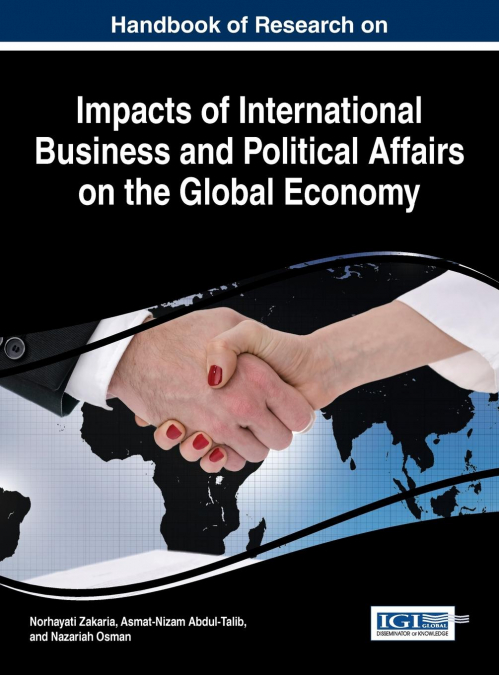
    The growth of global commerce depends on many different factors and strategies in order for multinational corporations to efficiently compete and thrive in the international marketplace. In addition to business strategies, corporations must also be aware of political affairs that may impact their global economic status. The Handbook of Research on Impacts of International Busin...
  • NEXT CONVERGENCE
    MICHAEL SPENCE
    ...
    Disponible

    17,21 €

  • Interest and Prices
    Michael Woodford
    With the collapse of the Bretton Woods system, any pretense of a connection of the world’s currencies to any real commodity has been abandoned. Yet since the 1980s, most central banks have abandoned money-growth targets as practical guidelines for monetary policy as well. How then can pure 'fiat' currencies be managed so as to create confidence in the stability of national unit...
  • War, Wine, and Taxes
    John V.C. Nye
    In War, Wine, and Taxes, John Nye debunks the myth that Britain was a free-trade nation during and after the industrial revolution, by revealing how the British used tariffs-notably on French wine-as a mercantilist tool to politically weaken France and to respond to pressure from local brewers and others. The book reveals that Britain did not transform smoothly from a mercantil...
  • The Social Construction of Free Trade
    Francesco Duina
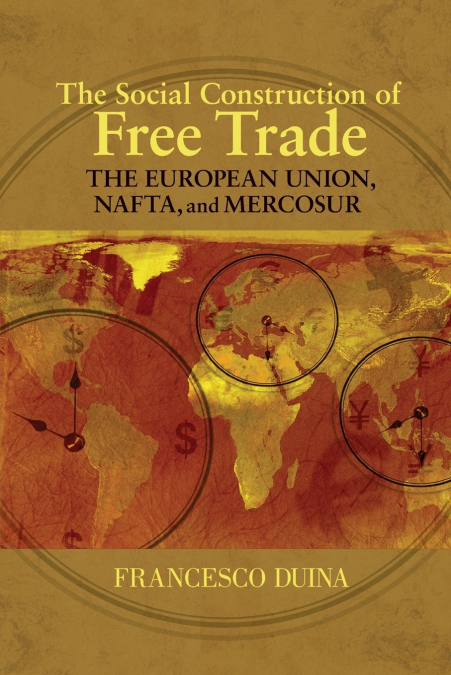
    This book offers a compelling new interpretation of the proliferation of regional trade agreements (RTAs) at the end of the twentieth century. Challenging the widespread assumption that RTAs should be seen as fundamentally similar economic initiatives to pursue free trade, Francesco Duina proposes that the world is reorganizing itself into regions that are highly distinctive an...
    Disponible

    54,25 €