Free Speech V Reputation

Free Speech V Reputation

Jideofor Patrick Adibe

30,10 €
IVA incluido
Disponible
Editorial:
Adonis & Abbey Publishers Ltd
Año de edición:
2010
Materia
Estudios mediáticos
ISBN:
9781906704322
30,10 €
IVA incluido
Disponible

Selecciona una librería:

  • Librería Samer Atenea
  • Librería Aciertas (Toledo)
  • Kálamo Books
  • Librería Perelló (Valencia)
  • Librería Elías (Asturias)
  • Donde los libros
  • Librería Kolima (Madrid)
  • Librería Proteo (Málaga)

Free speech is increasingly recognised as a universal human value, even though its application differs in different jurisdictions. Free speech is however never absolute, even in jurisdictions like the USA, where the First and Fourteenth Amendments give it special protection. The main reason why free speech cannot be absolute is because it competes with other equally important human values such as the right to privacy, reputation or to protect societies from potential harms from unresrtrained hate or obscene speech. In this study the author looks at how free speech interests are balanced against the need to protect reputation in American and English defamation laws. Cases from both countries are studied to see how this tension is resolved. Special attention is given to ‘public interest’ defence  since the media often justifies its attack on  reputation  on ‘public interest’, even when it is substiuting its own interest for this ‘public interest’. The premise of the study is that while freedom of the press is desirable and cherishable, it is important that  the individual is recognised as the foundational block of human rights  and the democratic process, who is entitled to his reputation as part of his human dignity. If the notion of human rights is necessarily anti-majoritarian in principle, it means that cases in which the press uses public interest defence to attack reputations require close analyses to ensure that both the individual and the public good are equally protected.   Four cases in the US are examined: New York Times v Sullivan (involving a public official), Curtis Publishing Co. v. Butts (involving a public figure), Time Inc v Hill (involving a private individual who was transformed into a public figure against his will), and Monitor Patriot v Roy (involving a candidate for a political office). In the UK: Derbyshire County Council v Times Newspapers Ltd. and Others (involving a local authority, which sued for libel), Reynolds v Times Newspapers Ltd (involving a politician), and George Galloway v Telegraph Group Ltd (involving a controversial politician who was famous for opposing the Iraq war and the UN’s sanctions against the country – both supported by the defendant newspaper). In all these cases, ‘public interest’ figured prominently as one of the defences by the accused media house.  But what is the notion of ‘public interest’ espoused in the these cases? And does it sufficiently protect both the public good and the individual?
Artículos relacionados

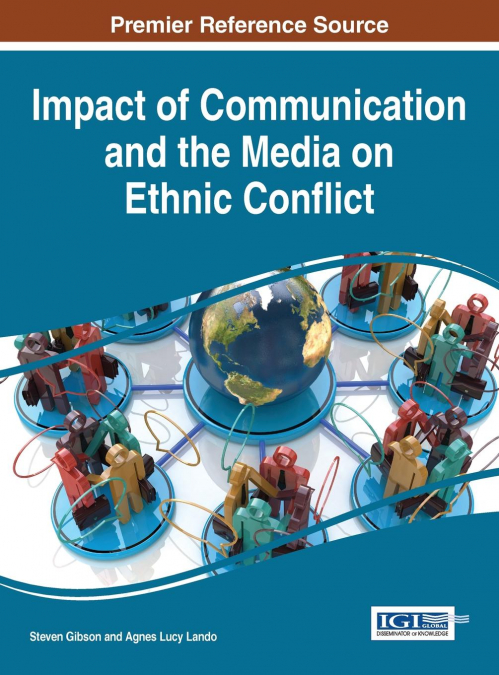
  • Impact of Communication and the Media on Ethnic Conflict
    Throughout the world, cultural and racial clashes remain a major hurdle to development and progress. Though some areas are experiencing successful intercultural communications which pave the way for peaceful negotiations, there are still many regions experiencing severe turmoil. Impact of Communication and the Media on Ethnic Conflict focuses on both the positive and negative o...
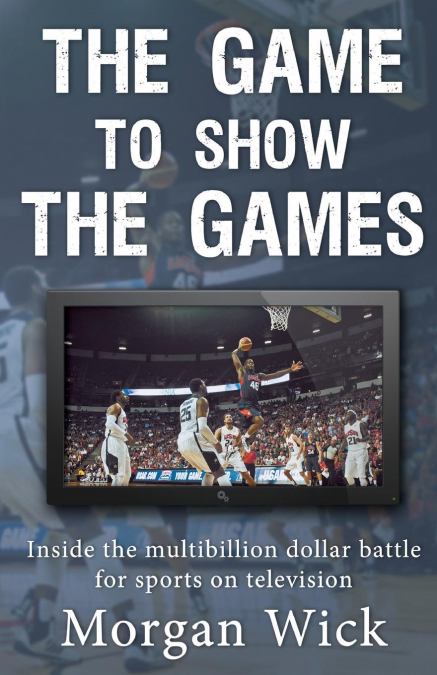
  • The Game to Show the Games
    Morgan Wick
    ESPN collects hundreds of millions of dollars in rights fees from cable subscribers, before selling a single advertisement. In The Game to Show the Games, Morgan Wick exposes how this lucrative revenue stream and the competition between media conglomerates has become a billion-dollar boon for sports leagues across the nation and the world, and how this has shaken up the rest o...
    Disponible

    9,42 €

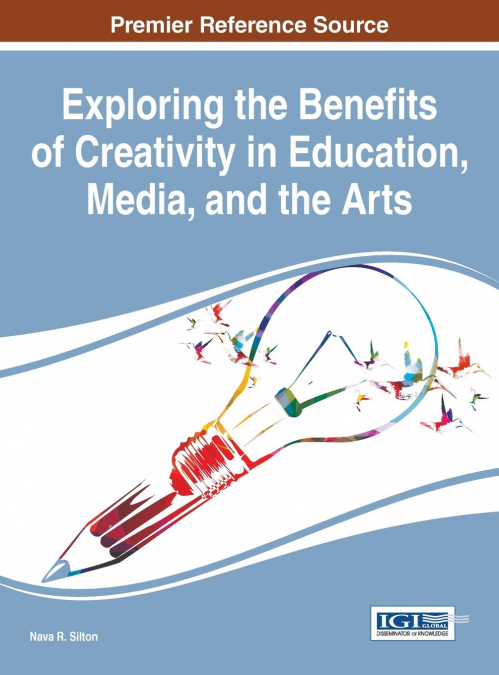
  • Exploring the Benefits of Creativity in Education, Media, and the Arts
    The use of imagination can lead to greater outcomes in problem solving, innovation, and critical thinking. By providing access to creative outlets, productivity increases in schools, businesses, and other professional settings. Exploring the Benefits of Creativity in Education, Media, and the Arts is a pivotal reference source for the latest scholarly research on the stimulatio...
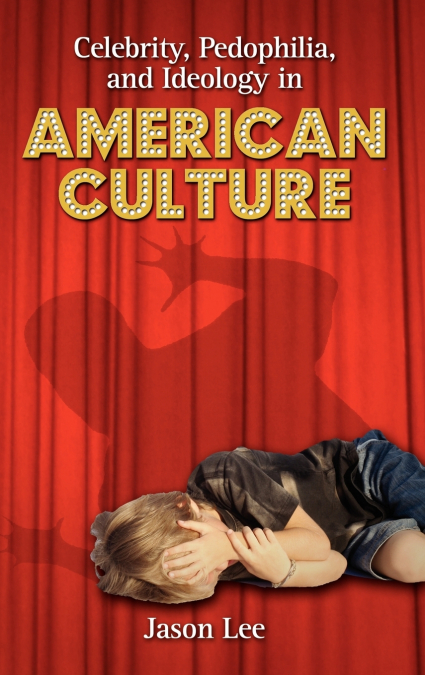
  • Celebrity, Pedophilia, and Ideology in American Culture
    Jason Lee
    Celebrity, Pedophilia, and Ideology in American Culture reveals the connections between rapacious capitalism and the rape of children. The twenty chapters, which span the analysis of childhood, celebrity culture, important books and films on pedophilia and violence, post-9/11 theology and public rhetoric, and killing for fame, in an interrelated fashion cover intrinsically impo...
  • Researching Digital Media and Society
    Moa Eriksson Krutrök / Simon Lindgren
    ...
    Disponible

    86,42 €

  • Researching Digital Media and Society
    Moa Eriksson Krutrök / Simon Lindgren
    ...

Otros libros del autor

  • Broken Dreams
    Jideofor Patrick Adibe
    Amid the smouldering tension of impending civil war, Pete Ogwu and his wife Teresa are forced to flee their home in western Nigeria, leaving behind a baby son and their housemaid. Adopted by Madam Cash, Femi grows up to be an idealistic socialist writer, convinced that he is destined for greatness. Bimbo, the result of a fetish union between Ogwu and a local madwoman, endures d...
    Disponible

    19,51 €