Inicio > Artes > Artes: aspectos generales > Francisco Correa de Arauxo
Francisco Correa de Arauxo

Francisco Correa de Arauxo

Charles Jacobs

67,13 €
IVA incluido
Disponible
Editorial:
Springer Nature B.V.
Año de edición:
1973
Materia
Artes: aspectos generales
ISBN:
9789401501521
67,13 €
IVA incluido
Disponible

Selecciona una librería:

  • Librería Samer Atenea
  • Librería Aciertas (Toledo)
  • Kálamo Books
  • Librería Perelló (Valencia)
  • Librería Elías (Asturias)
  • Donde los libros
  • Librería Kolima (Madrid)
  • Librería Proteo (Málaga)

Francisco Correa de Arauxo: how little does the name evoke for most musicians? Yet, this composer wrote music equal in interest and beauty to that of such better-known composers of his time as Bull, Titelouze, Gibbons, Sweelinck, and Frescobaldi. Unfortunately, Correa’s music was published in a notation which, though excellent, was little-known beyond Spain. Only within the last twenty years has a complete -though regrettably deficient - edition of Correa’s music become available. Cabezon, Correa de Arauxo’s most significant immediate predecessor on the Hispanic musical scene (at least among keyboard composers whose music survives to any extent), figures among the greatest and most influential Renaissance composers. In Cabezon’s works, the ricer­ car (known as tiento in Spain) and variations forms reached full de­ velopment. Manuel Rodrigues Coelho, Correa’s Portuguese contemporary, al­ though working well into the seventeenth century, did not venture beyond the formal boundaries established by Cabezon. On the other hand, a number of late sixteenth-century Spanish composers - Francisco Peraza, and others whose works seem irretriev­ ably lost - apparently were writing music that incorporated into the contrapuntal flow of the tiento toccata-like episodes. The result, for­ mally, was similar in many respects to toccatas of late-Renaissance Italy. Formal sectionality also appears in the late sixteenth-century Italian ricercar, particularly in those known as canzone francese. This formal trait is present in music by composers of Naples, then under Spanish dominion, and Venice. Correa could not have been working in cultural semi-isolation.
Artículos relacionados

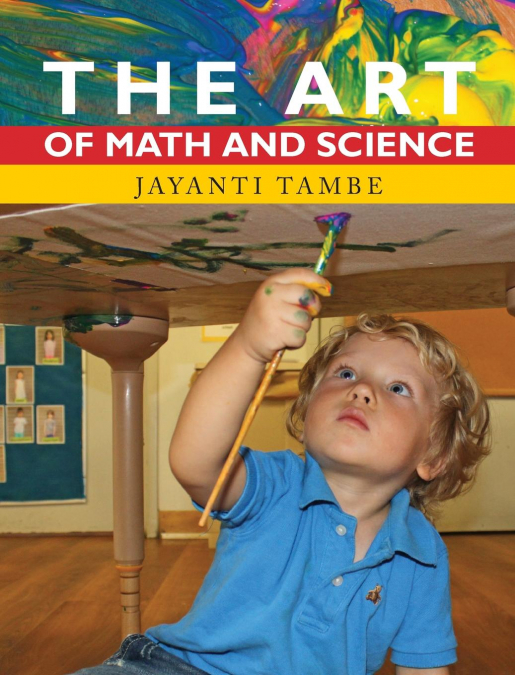
  • The Art of Math and Science
    Jayanti Tambe
    The Art of Math and Science guides teachers to introduce masterpiece art to young children, so they can tell you about “paints with hidden floats” and ask questions like, “When painting the Sistine Chapel, do you think Michelangelo had many headaches?”This book helps parents and educators look at the subject through the prism of mathematical and scientific experiences. This boo...
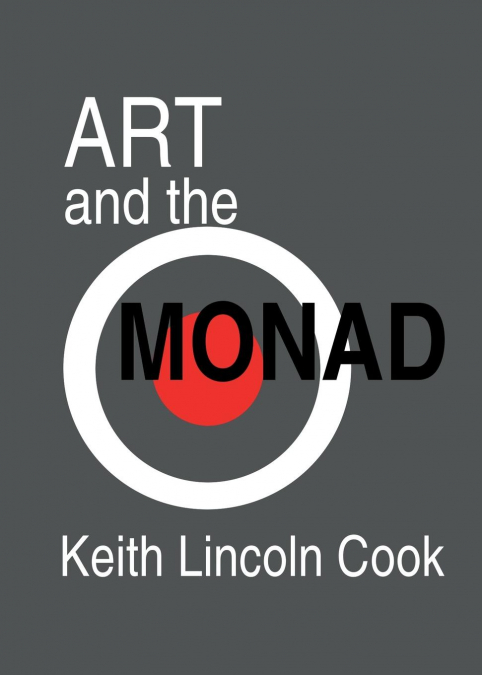
  • Art and the Monad
    Keith Lincoln Cook
    Keith Lincoln Cook's essay centres on his diagram of the monad: a circular diagram, showing the relationship between external stimuli, the intellect and the emotions. Although everyone should be able to freely respond to the vast amount of external stimuli collected by the senses, many people will block off their responses, collecting the stimuli in the band of intellect an...
    Disponible

    6,17 €

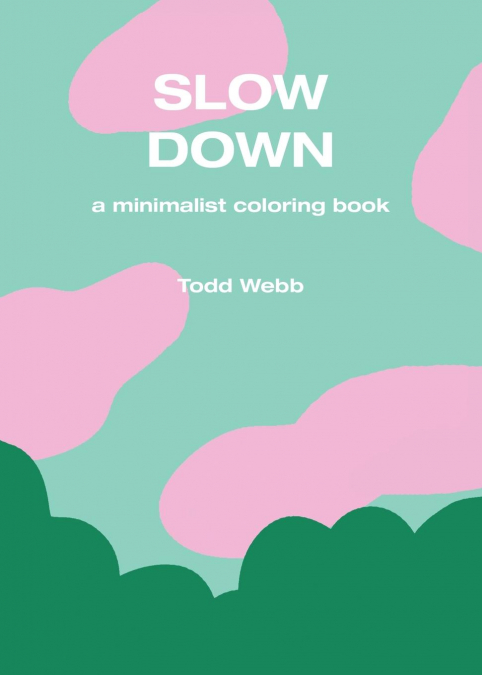
  • Slow Down
    Todd Webb
    Color everything and color nothing on your path to mindfulness with this playful coloring book!Packed with just enough to keep you entertained in the present moment, SLOW DOWN is sure to become your go-to meditation guide as you color your way to a calmer, less stressful life. With simple illustrations and inspirational text it makes a great gift! "Art's purpose is to sober...
    Disponible

    12,17 €

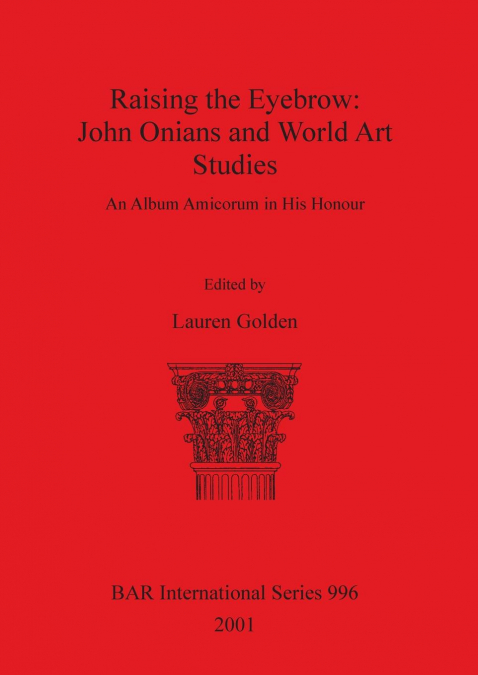
  • Raising the Eyebrow
    Lauren Golden
    A lavish festschrift to John Onians with contributions by 28 distinguished academics. Any summary as to the direction of these contributions is, perhaps, best left to Martin Kemp and his affectionate preface, “Above all, he (John Onians) reminds us of the researchers’, writers’ and teachers’ true mission, that is the need to be radical in both asking and answering questions, an...
    Disponible

    182,20 €

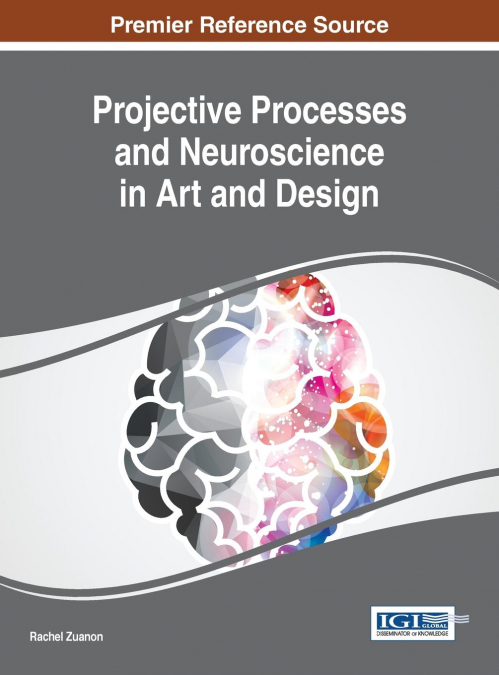
  • Projective Processes and Neuroscience in Art and Design
    Rachel Zuanon
    Recent advances in neuroscience suggest that the human brain is particularly well-suited to design things: concepts, tools, languages and places. Current research even indicates that the human brain may indeed have evolved to be creative, to imagine new ideas, to put them into practice, and to critically analyze their results. Projective Processes and Neuroscience in Art and De...
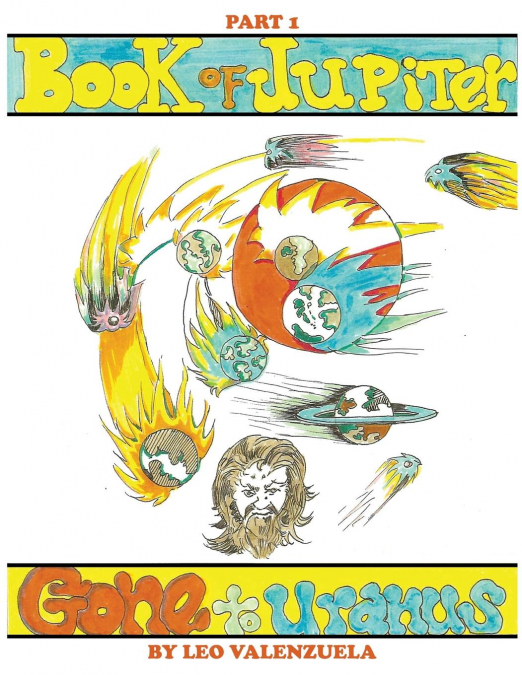
  • Book of Jupiter
    Leo Valenzuela
    Book of Jupiter: Gone to Uranus is a work of imagination and fantasy by Leo Valenzuela. Explore a variety of unique creatures with interesting dialogue which included a few step tutorials on how to draw his style of work. 3 ...
    Disponible

    24,25 €

Otros libros del autor

  • The Billion Dollar Sugar Cube
    Charles Jacobs
    In this sequel to The Pangaea Solution, David Blum once again battles the shadowy Global Futures Alliance and their plans for reshaping humanity. Partnering with fellow agent Tina Santini, the pair uncovers a diabolical new plot to integrate artificial intelligence with 'The Sugar Cube,' a massive optical computer configured to experience artificial emotion. The GFA’s goal? Dis...
    Disponible

    13,92 €

  • The Pangaea Solution
    Charles Jacobs
    "…plot hurtles along at an agreeably swift pace, never lagging, always delivering...well-crafted and engaging bioweapon tale."— Kirkus Reviews“… an incredible debut novel that promises a great series. Interesting, entertaining and simply amazing.”  —  Rabia Tanveer for Readers’ Favorite (5 Stars) “An impressive thriller … a deft blending of action and science helmed by a believ...
    Disponible

    11,01 €