Forests and Insect Conservation in Australia

Forests and Insect Conservation in Australia

Tim R. New / Tim RNew

132,55 €
IVA incluido
Consulta disponibilidad
Editorial:
Springer Nature B.V.
Año de edición:
2018
Materia
Conservación del medioambiente
ISBN:
9783319922218

Selecciona una librería:

  • Librería Samer Atenea
  • Librería Aciertas (Toledo)
  • Kálamo Books
  • Librería Perelló (Valencia)
  • Librería Elías (Asturias)
  • Donde los libros
  • Librería Kolima (Madrid)
  • Librería Proteo (Málaga)

Losses of forests and their insect inhabitants are a major global conservation concern, spanning tropical and temperate forest regions throughout the world. This broad overview of Australian forest insect conservation draws on studies from many places to demonstrate the diversity and vulnerability of forest insects and how their conservation may be pursued through combinations of increased understanding, forest protection and silvicultural management in both natural and plantation forests. The relatively recent history of severe human disturbance to Australian forests ensures that reasonably natural forest patches remain and serve as ’models’ for many forest categories. They are also refuges for many forest biota extirpated from the wider landscapes as forests are lost, and merit strenuous protection from further changes, and wider efforts to promote connectivity between otherwise isolated remnant patches. In parallel, the recent attention to improving forest insect conservation in harmony with insect pest management continues to benefit from perspectives generated from better-documented faunas elsewhere. Lessons from the northern hemisphere, in particular, have led to revelations of the ecological importance and vulnerability of many insect taxa in forests, together with clear evidence that ’conservation can work’ in concert with wider forest uses. A brief outline of the variety of Australian tropical and temperate forests and woodlands, and of the multitude of endemic and, often, highly localised insects that depend on them highlights needs for conservation (both of single focal species and wider forest-dependent radiations and assemblages). The ways in which insects contribute to sustained ecological integrity of these complex ecosystems provide numerous opportunities for practical conservation. 
Artículos relacionados

  • Inorganic Pollutants in Wastewater
    This book, 'Inorganic Pollutants in Wastewater: Methods of Analysis, Removal and Treatment' extensively investigates the most recent improvements in the area of inorganic pollutants analysis, removal and treatment of wastewater by utilizing different materials such as natural polymers, husks, graphene and carbon nanotube composites, fruit cortex etc. It covers photocata...
    Disponible

    144,10 €

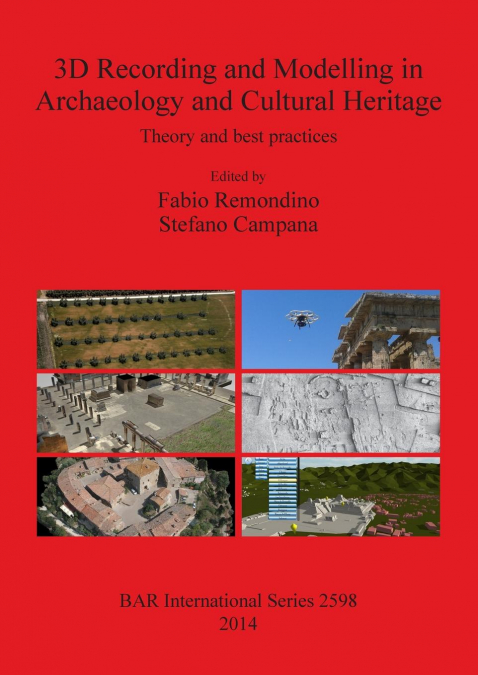
  • 3D Recording and Modelling in Archaeology and Cultural Heritage
    The book derives from the experiences of the authors as lecturers and tutors at different international summer schools on reality-based surveying and 3D modelling in the field of archaeology and cultural heritage. The book is organized in three main sections. The first part aims to introduce and discuss the contribution of geomatic techniques in archaeology and more generally i...
    Disponible

    88,00 €

  • SUN POWER
    NEVILLE WILLIAMS
    ...
    Disponible

    24,27 €

  • Bio-Invaders
    Sarah Johnson
    We are pleased to announce a new series ofenvironmental history readers, suitable for students.Comprising essays selected from our journals,Environment and History and Environmental Values,each inexpensive paperback volume will address animportant theme in environmental history, combiningunderlying theory and specific case-studies. The firstvolume, Bio-invaders, investigates th...
    Disponible

    39,21 €

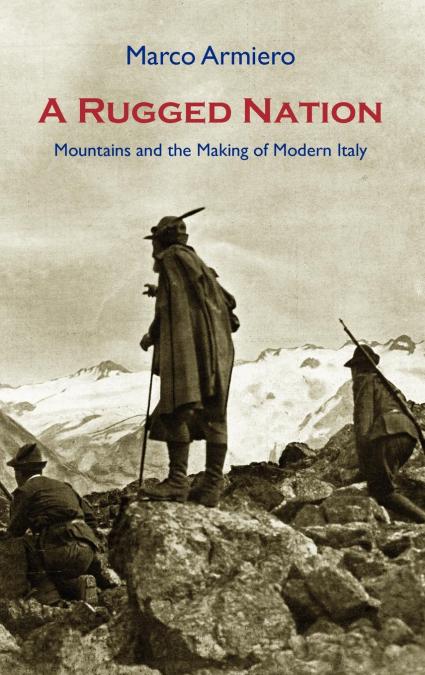
  • A Rugged Nation
    Marco Armiero
    Landscape, politics and history: the Italian mountains as a crucible of national and natural identity.This book is part of a wider current in environmental history, that explores the links between nature and nation. It uncovers how Italian identity and mountains have constituted one another. It argues that state regimes since unification in 1861 have made mountains into nationa...
  • Indigenous Knowledge
    Sarah Johnson
    The third volume in the reader series, ’Themes in Environmental History’.Comprising essays selected from our journals, Environment and History and Environmental Values, these inexpensive paperbacks address important aspects of environmental history, by means of theoretical essays and case studies. Indigenous Knowledge investigates how indigenous peoples from various cultures in...
    Disponible

    38,83 €

Otros libros del autor

  • Mutualisms and Insect Conservation
    Tim R. New / Tim RNew
    Documenting and understanding intricate ecological interactions involving insects is a central need in conservation, and the specialised and specific nature of many such associations is displayed in this book.  Their importance is exemplified in a broad global overview of a major category of interactions, mutualisms, in which the interdependence of species is essential for the...
  • Alien Species and Insect Conservation
    Tim R. New / Tim RNew
     This overview of the roles of alien species in insect conservation brings together information, evidence and examples from many parts of the world to illustrate their impacts (often severe, but in many cases poorly understood and unpredictable) as one of the primary drivers of species declines, ecological changes and biotic homogenisation. Both accidental and deliberate moveme...