 Librería Samer Atenea
 Kálamo Books
 Librería Elías (Asturias)
 Librería Kolima (Madrid)
 Librería Proteo (Málaga)
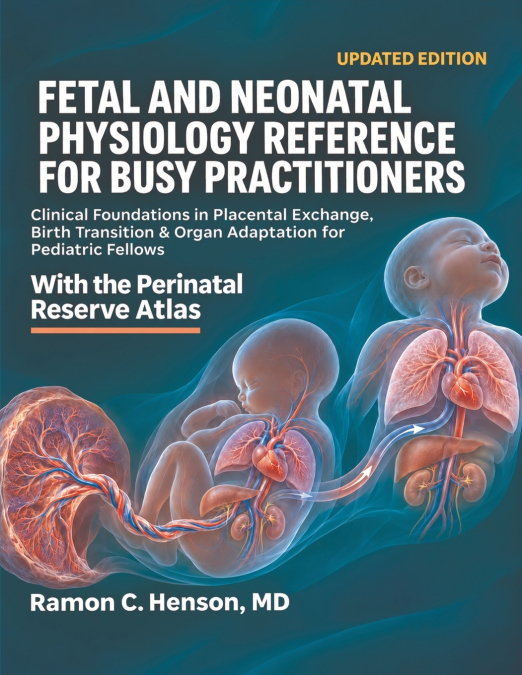
Follow the Physiology From Placenta to the First Weeks Fetal and Neonatal Physiology Reference for Busy Practitioners connects placental exchange, fetal organ development, birth transition, and early neonatal adaptation in a single clinical narrative. Written for pediatric and neonatal fellows, NICU clinicians, residents, and advanced practice practitioners, it explains what a bedside signal means by tracing the supply, flow, demand, and developmental reserve behind it. The 2026-2027 Edition follows 24 chapters from villous architecture through respiratory, cardiovascular, renal, gastrointestinal, hematologic, immune, neurologic, and endocrine physiology. Two Perinatal Reserve Atlas entries in every chapter and a consolidated Master Atlas make the transition from baseline state to clinical interpretation easy to revisit during care. Use the mechanisms to interpret: Placental exchange and fetal shunts - connect prenatal growth and Doppler findings to newborn reserve First breaths and circulatory transition - distinguish failed aeration from persistent right-to-left flow Cord blood volume, heat, glucose, and calcium - follow the simultaneous loss of placental support Respiratory mechanics and ductal hemodynamics - read oxygen saturation beside ventilation and systemic perfusion Renal, intestinal, hepatic, and hematologic maturation - place early laboratory trends on the correct developmental clock Immune and neurologic vulnerability - recognize how prematurity, inflammation, and unstable delivery affect organ response Maternal disease and the first weeks - carry antenatal mechanisms into feeding, growth, and follow-up Keep a coherent physiologic account of the infant as placental support gives way to independent function.