
Euthyphro

Euthyphro

Plato

11,13 €
IVA incluido
Consulta disponibilidad
Editorial:
Blurb
Año de edición:
2022
Materia
Educación pedagogía
ISBN:
9798211981720

Selecciona una librería:

  • Librería Samer Atenea
  • Librería Aciertas (Toledo)
  • Kálamo Books
  • Librería Perelló (Valencia)
  • Librería Elías (Asturias)
  • Donde los libros
  • Librería Kolima (Madrid)
  • Librería Proteo (Málaga)

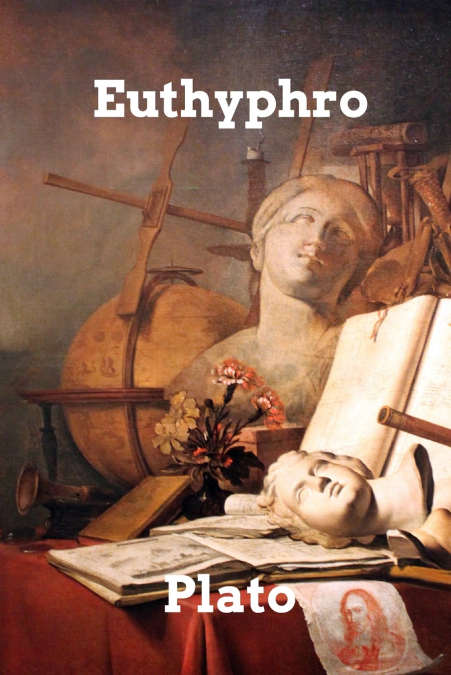
Euthyphro (c. 399-395 BC), by Plato, is a Socratic dialogue whose events occur in the weeks before the trial of Socrates (399 BC), between Socrates and Euthyphro. The dialogue covers subjects such as the meaning of piety and justice. As is common with Plato’s earliest dialogues, it ends in aporia.In this dialogue, Socrates meets Euthyphro at the porch of the King Archon. Socrates tells him that he is preparing to go to court against the charges of Meletus on the grounds of impiety. Euthyphro tells Socrates that he is going to court himself to prosecute his father for binding a worker in chains and leaving him to die. This has granted him the ire of his own family who believe his father was in the right. The worker had killed a fellow worker and this they believe, exempts them from liability for leaving him bound in the ditch to starve to death. Since Euthyphro seems assured of himself, Socrates asks him to define piety. His help will clarify Socrates’ case in the courtroom. If Socrates is asked to define piety, he can simply rely on Euthyphro’s definition. This however leads to the main dilemma of the dialogue when the two cannot come to a satisfactory conclusion. Is something pious because the gods approve of it or do the gods approve of it because it is pious? This aporic ending has led to one of the strongest theological and meta-ethical debates in history.
Artículos relacionados

  • Beekeeping At The End Of The Earth
    Mark David Leech
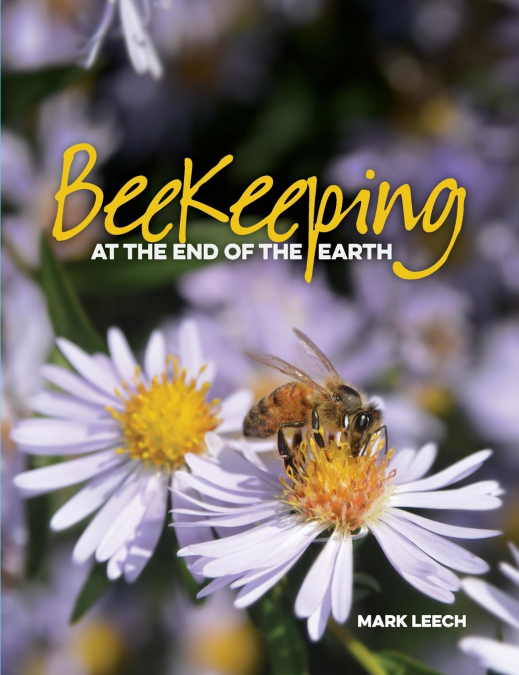
    Beekeeping at the End of the Earth, an essential read for learning about beekeeping in a cool temperate climate with a focus on Tasmania our island home.  One hundred beekeepers one hundred different ways to keep bees.Beekeeping At The End Of The Earth is a practical insight into cool climate beekeeping with a focus on Tasmania, our island home.Richly illustrated with unique di...
    Disponible

    45,16 €

  • Be the One for Kids
    Ryan Sheehy
    One person can make a difference.That person can be you. “I want to show others that one person can make the difference in a child’s life. I want all educators, parents, coaches, and everyone in between to know they have power to Be the One for Kids.” —Ryan Sheehy If you ever feel like you’re all alone or think that no one gets you, just imagine how your students feel. Kids wan...
    Disponible

    27,99 €

  • Handbook of Research on E-Learning Standards and Interoperability
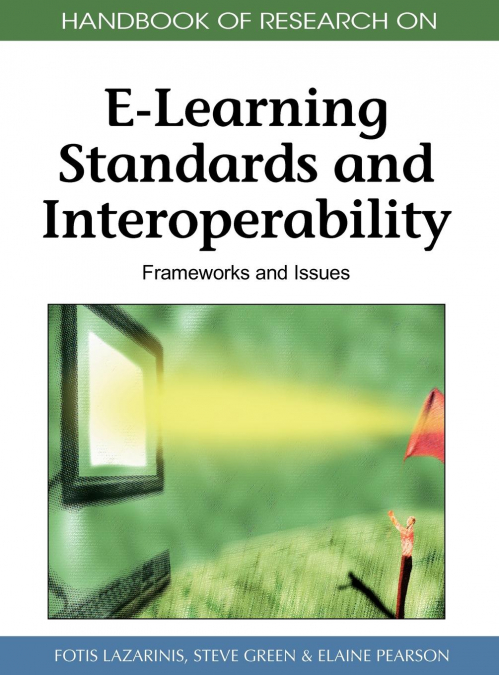
    As the e-learning industry continues to expand and the methods and tools necessary to create and maintain content and infrastructure applications become more complicated, there is an inherent need for these applications to interoperate and exchange data in order to better support the needs of learners and educators. Handbook of Research on E-Learning Standards and Interoperabil...
  • Teaching in the Knowledge Society
    Antonio Cartelli
    ...
  • Enhancing Learning Through Human Computer Interaction
    Elspeth McKay
    ...
  • Learning Objects for Instruction
    Pamela Taylor Northrup
    ...

Otros libros del autor

  • Plato’s Apology
    Plato
    Plato’s Apology - A Riveting Defense of Philosophy and the Pursuit of TruthStep into the courtroom of ancient Athens and witness a moment that forever shaped the course of Western thought. Plato’s 'Apology' is not an apology in the modern sense but a powerful and eloquent defense of philosophy, virtue, and the examined life, as spoken by Socrates himself.In this timeless dialog...
  • Gorgias
    Plato
    A Timeless Debate on Power, Justice, and the Pursuit of TruthPlato’s Gorgias is a masterful exploration of rhetoric, morality, and the essence of a just life. Through a dynamic dialogue led by Socrates, this philosophical classic dives into the art of persuasion and its role in politics and society.As Socrates engages with the influential sophist Gorgias and others, readers are...
  • Apologia Di Socrate
    Plato
    Platone scrisse questo testo nel 399 a. C. in seguito alla morte di Socrate. Come altri testi giovanili di Platone, l’Apologia di Socrate risulta tanto affine al pensiero di quest’ultimo, da risultarne come un suo scritto. In realtà Socrate sosteneva la diffusione orale del pensiero e non esistono libri scritti di suo pugno: l’Apologia, se non una cronaca, è certamente il docum...
  • Symposium (Esprios Classics)
    Plato
    Plato (428/427 or 424/423 - 348/347 BC) was an Athenian philosopher during the Classical period in Ancient Greece, founder of the Platonist school of thought and the Academy, the first institution of higher learning in the Western world. He is widely considered one of the most important and influential individuals in human history, and the pivotal figure in the history of Ancie...
  • Apology, Crito, and Phaedo of Socrates (Esprios Classics)
    Plato
    Plato (428/427 or 424/423 - 348/347 BC) was an Athenian philosopher during the Classical period in Ancient Greece, founder of the Platonist school of thought and the Academy, the first institution of higher learning in the Western world. He is widely considered one of the most important and influential individuals in human history, and the pivotal figure in the history of Ancie...
  • Apology (Esprios Classics)
    Plato
    Plato (428/427 or 424/423 - 348/347 BC) was an Athenian philosopher during the Classical period in Ancient Greece, founder of the Platonist school of thought and the Academy, the first institution of higher learning in the Western world. He is widely considered one of the most important and influential individuals in human history, and the pivotal figure in the history of Ancie...