Ethnic Cleansing and the Indian

Ethnic Cleansing and the Indian

Ethnic Cleansing and the Indian

Gary Clayton Anderson

30,17 €
IVA incluido
Disponible
Editorial:
University of Oklahoma Press
Año de edición:
2018
Materia
Historia de América
ISBN:
9780806151748
30,17 €
IVA incluido
Disponible

Selecciona una librería:

  • Librería Samer Atenea
  • Librería Aciertas (Toledo)
  • Kálamo Books
  • Librería Perelló (Valencia)
  • Librería Elías (Asturias)
  • Donde los libros
  • Librería Kolima (Madrid)
  • Librería Proteo (Málaga)

Mention “ethnic cleansing” and most Americans are likely to think of “sectarian” or “tribal” conflict in some far-off locale plagued by unstable or corrupt government. According to historian Gary Clayton Anderson, however, the United States has its own legacy of ethnic cleansing, and it involves American Indians.In Ethnic Cleansing and the Indian, Anderson uses ethnic cleansing as an analytical tool to challenge the alluring idea that Anglo-American colonialism in the New World constituted genocide. Beginning with the era of European conquest, Anderson employs definitions of ethnic cleansing developed by the United Nations and the International Criminal Court to reassess key moments in the Anglo-American dispossession of American Indians.Euro-Americans’ extensive use of violence against Native peoples is well documented. Yet Anderson argues that the inevitable goal of colonialism and U.S. Indian policy was not to exterminate a population, but to obtain land and resources from the Native peoples recognized as having legitimate possession. The clashes between Indians, settlers, and colonial and U.S. governments, and subsequent dispossession and forcible migration of Natives, fit the modern definition of ethnic cleansing.To support the case for ethnic cleansing over genocide, Anderson begins with English conquerors’ desire to push Native peoples to the margin of settlement, a violent project restrained by the Enlightenment belief that all humans possess a “natural right” to life. Ethnic cleansing comes into greater analytical focus as Anderson engages every major period of British and U.S. Indian policy, especially armed conflict on the American frontier where government soldiers and citizen militias alike committed acts that would be considered war crimes today.Drawing on a lifetime of research and thought about U.S.-Indian relations, Anderson analyzes the Jacksonian “Removal” policy, the gold rush in California, the dispossession of Oregon Natives, boarding schools and other “benevolent” forms of ethnic cleansing, and land allotment. Although not amounting to genocide, ethnic cleansing nevertheless encompassed a host of actions that would be deemed criminal today, all of which had long-lasting consequences for Native peoples. 3
Artículos relacionados

  • Pan-Africanism and Education
    Kenneth J. King / Kenneth JKing
    This is an analysis of the complex links between Black America and Africa in the period of 1880 to 1945. It examines an extended white attempt to pattern politics and education in colonial Africa upon the example of the U.S. South. This export of United States race relations to Africa was resisted by Black intellectuals in the United States and many of the early nationalists in...
    Disponible

    24,60 €

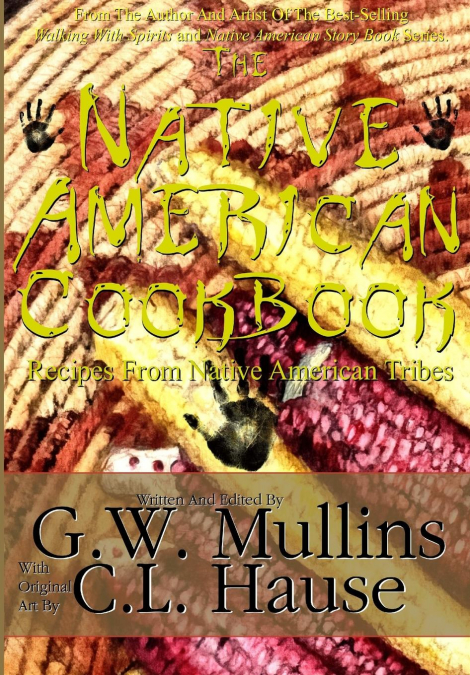
  • The Native American Cookbook Recipes From Native American Tribes
    G.W. Mullins
    Light Of The Moon Publishing along with Author G.W. Mullins and Illustrator / Artist C.L. Hause have joined together to explore Native American Indian Cooking.  More than just a cookbook, this Native American recipe collection offers a look into a forgotten past.  'The Native American Cookbook Recipes From Native American Tribes,' offers a large collection of recipes from and i...
    Disponible

    24,56 €

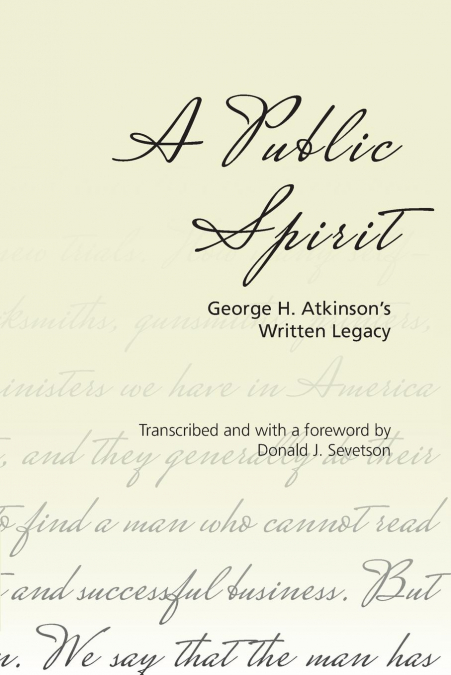
  • A Public Spirit
    George H. Atkinson
    George Henry Atkinson (1819-89) was a son of New England who arrived in the Oregon Territory in 1848, sent by the American Home Missionary Society. Although his commission from the Society specified that his work was to be ecclesiastical and educational, he took an approach to that assignment which went well beyond his mandate. Well-informed and energetic, he made an impact on ...
    Disponible

    10,45 €

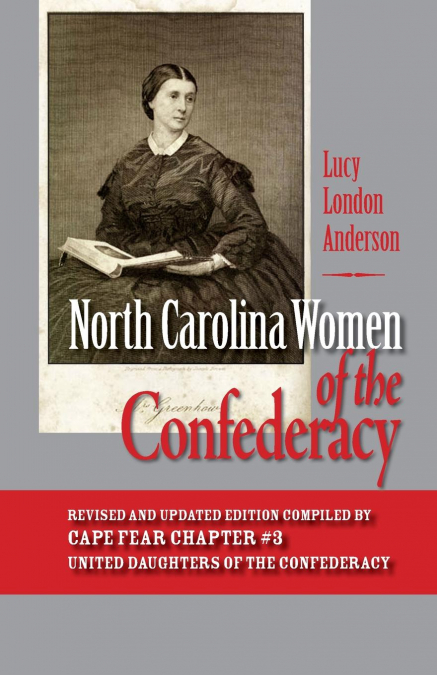
  • North Carolina Women of the Confederacy
    Lucy London Anderson
    Long out of print, this volume of recollections, stories, and verse provides a glimpse of women's lives on the home front-and sometimes in the thick of battle-during the War between the States. Nearly fifty years after the American Civil War, Lucy Worth London Anderson (Mrs. John Huske Anderson) of Fayetteville, N.C., compiled one of the first memorial collections honoring the...
    Disponible

    17,20 €

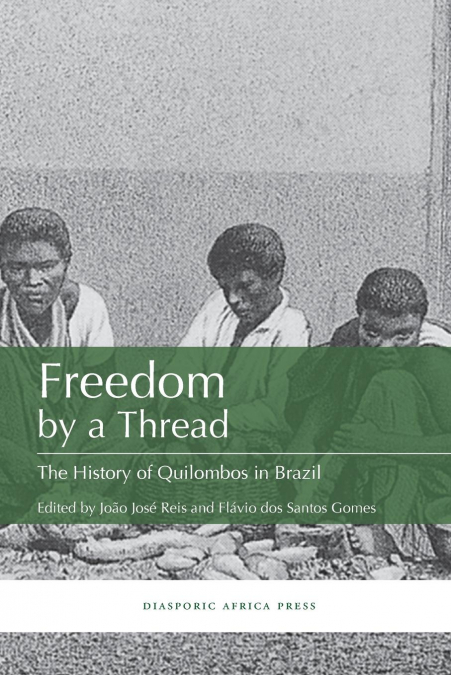
  • Freedom by a Thread
    Freedom by a Thread: The History of Quilombos in Brazil brings together some of the best scholars in the world working on the history of quilombos (maroon societies) in Brazil from a variety of perspectives and approaches. Over 40 percent of the total volume of captive Africans arrived in Brazil during a 400-year period of legal and contraband transatlantic slaving. If slavery ...
    Disponible

    36,71 €

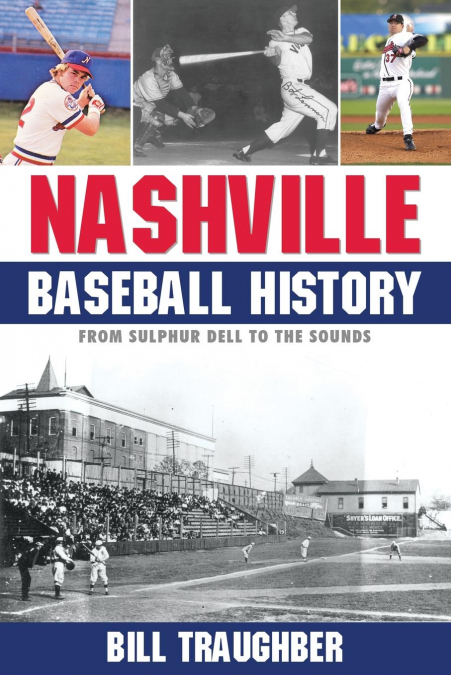
  • Nashville Baseball History
    Bill Traughber
    Nashville is a Big League city despite never having been home to a major league team. From the Civil War era, to star-studded exhibitions, to outstanding Negro Leagues teams, to some of the great minor league franchises of all time, few cities have as rich a baseball tradition as Nashville, Tennessee.Nashville sports historian Bill Traughber, who has been writing about baseball...
    Disponible

    13,15 €

Otros libros del autor

  • Will Rogers and His America
    Gary Clayton Anderson
    Born on a farm in the Cherokee Nation near present Oologah, Oklahoma, in 1879, Will Rogers shared his rural, agricultural beginnings with many Americans at the turn of the century. But Rogers brought his small-town talents to a national audience, becoming a mainstay of early American mass culture. Although Rogers is remembered today for his success in vaudeville and the nascent...
    Disponible

    35,47 €

  • Conquest of Texas
    Gary Clayton Anderson
    ...
    Disponible

    53,56 €

  • Little Crow
    Gary Clayton Anderson
    Government officials and missionaries wanted all Sioux men to become self-sufficient farmers, wear pants, and cut their hair. The Indians, confronted by a land-hungry white population and a loss of hunting grounds, sought to exchange title to their homeland for annuities of cash and food, schools and teachers, and farms and agricultural knowledge. By 1862 the Sioux realized tha...
    Disponible

    16,41 €