Inicio > Economía, finanzas, empresa y gestión > Economía > Macroeconomía > Economía monetaria > Erwartungsbildung, Lernen und die Dynamik von Finanzkrisen
Erwartungsbildung, Lernen und die Dynamik von Finanzkrisen

Erwartungsbildung, Lernen und die Dynamik von Finanzkrisen

Owe Jessen

19,65 €
IVA incluido
Disponible
Editorial:
GRIN Verlag
Año de edición:
2007
Materia
Economía monetaria
ISBN:
9783638782302
19,65 €
IVA incluido
Disponible

Selecciona una librería:

  • Librería Samer Atenea
  • Librería Aciertas (Toledo)
  • Kálamo Books
  • Librería Perelló (Valencia)
  • Librería Elías (Asturias)
  • Donde los libros
  • Librería Kolima (Madrid)
  • Librería Proteo (Málaga)

Studienarbeit aus dem Jahr 2001 im Fachbereich VWL - Geldtheorie, Geldpolitik, Note: 1,7, Christian-Albrechts-Universität Kiel, Veranstaltung: Seminar zur Geld- und Kredittheorie, Sprache: Deutsch, Abstract: Die jüngsten Finanzkrisen in den Emerging Markets haben dazu geführt, daß vermehrt über dieUrsachen dieser Krisen nachgedacht wird: Sind sie das Ergebnis politscher Fehler, strukturellerProbleme oder werden sie gar zufällig ausgelöst, aufgrunder einer Verschiebung der Markterwartungen.Im folgenden soll der Einfluß von Lernprozessen und Nachahmungseffekten auf die Erwartungsbildungder Anleger untersucht werden, und in wieweit diese Finanzkrisen auslösen oderverstärken. Hierzu werden zwei Artikel ausgewertet, die diese Prozesse beschreiben. Ausgehendvon ähnlichen Annahmen über Lern- und Nachahmungseffekte und die Evolution von Erwartungen,legen sie unterschiedliche Schwerpunkte: Arifovic und Masson (2000) untersuchen vorallem die Entwicklung der Erwartungen der Agenten, während Schuschny u. a. (2000) ein Systementwickeln, das anhand der Lern- und Nachahmungseffekte den Übergang infolge einesexogenen Schocks erklärt.Im ersten Teil des Papers wird der Aufsatz von Arifovic und Masson (2000) zusammenfassenddargestellt. Hierzu wird ein Krugman-Modell der Währungskrise mit einem repräsentativenAgenten erläutert und dieses für den Fall heterogener Agenten erweitert. Anschließend werdendie Zusammenhänge bei der Evolution der Erwartungsbildung erklärt. Den ersten Teil schließendann die Ergebnisse einer Simulation des Modells ab.Im zweiten Abschnitt wird Schuschny u. a. (2000) erläutert. Für ein bar-attendance-Modellwird der Lern- und Koordinationsprozeß entwickelt und danach der Nachahmungsmechanismus.Darauf folgen die Ergebnisse einer Simulation und ihr Vergleich mit den Vorgängen inArgentinien 1994.Schließlich werden die Ergebnisse der beiden Aufsätze zusammengefaßt und miteinanderverglichen.

Artículos relacionados

  • The Principles Governing Wealth & Finance
    MARVEN BILLS
    Many people want to improve their well-being, happiness, and opportunities by managing their wealth and finances effectively. However, this is not an easy task, as it requires knowledge, skills, and discipline. There are some basic guidelines that can help us achieve our financial goals, increase our income, save and invest wisely, and use our resources for good purposes. These...
    Disponible

    32,29 €

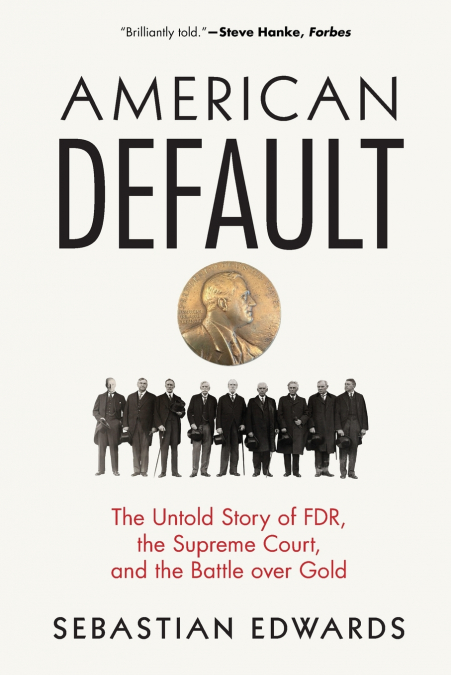
  • American Default
    Sebastian Edwards
    The untold story of how FDR did the unthinkable to save the American economyThe American economy is strong in large part because nobody believes that America would ever default on its debt. Yet in 1933, Franklin D. Roosevelt did just that, when in a bid to pull the country out of depression, he depreciated the US dollar in relation to gold, effectively annulling all debt contra...
    Disponible

    26,48 €

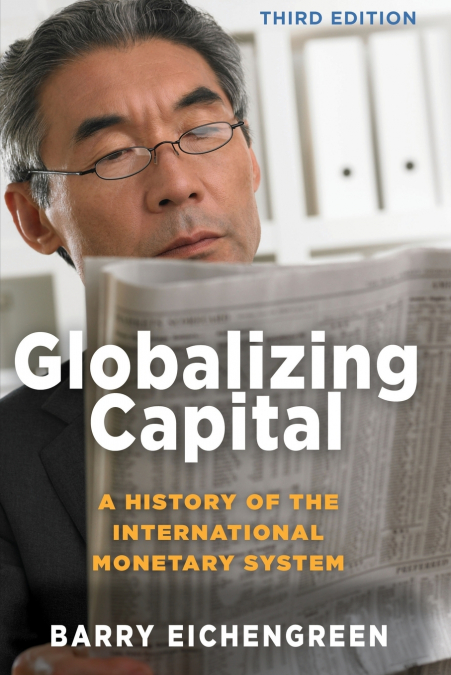
  • Globalizing Capital
    Barry Eichengreen
    Essential reading for understanding the international economy-now thoroughly updatedLucid, accessible, and provocative, and now thoroughly updated to cover recent events that have shaken the global economy, Globalizing Capital is an indispensable account of the past 150 years of international monetary and financial history-from the classical gold standard to today’s post-Bretto...
    Disponible

    43,05 €

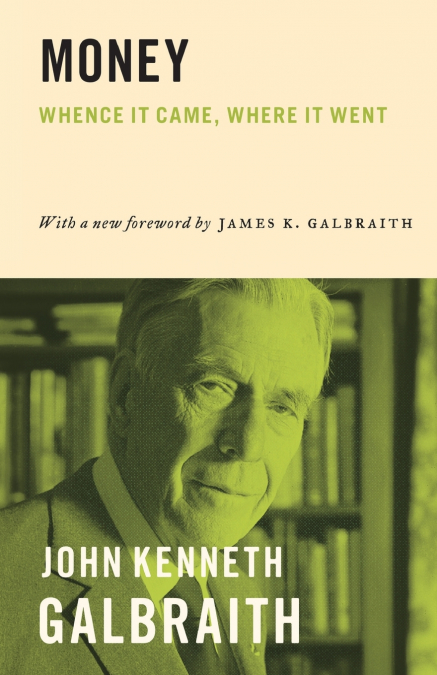
  • Money
    John Kenneth Galbraith
    Money is nothing more than what is commonly exchanged for goods or services, so why has understanding it become so complicated? In Money, renowned economist John Kenneth Galbraith cuts through the confusions surrounding the subject to present a compelling and accessible account of a topic that affects us all. He tells the fascinating story of money, the key factors that shaped ...
    Disponible

    37,12 €

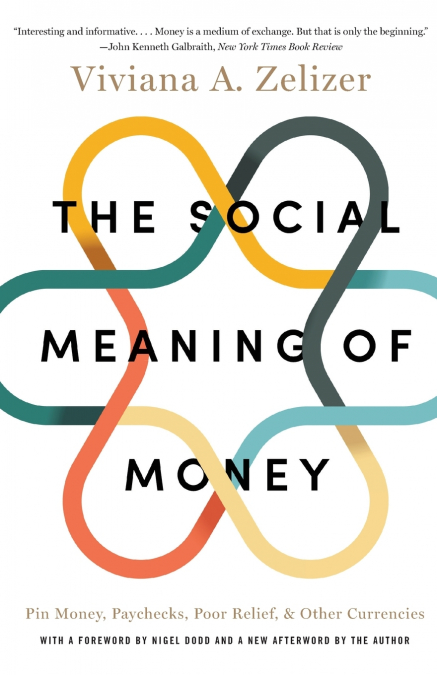
  • The Social Meaning of Money
    Viviana A. Zelizer
    A dollar is a dollar—or so most of us believe. Indeed, it is part of the ideology of our time that money is a single, impersonal instrument that impoverishes social life by reducing relations to cold, hard cash. After all, it’s just money. Or is it? Distinguished social scientist and prize-winning author Viviana Zelizer argues against this conventional wisdom. She shows how peo...
    Disponible

    33,29 €

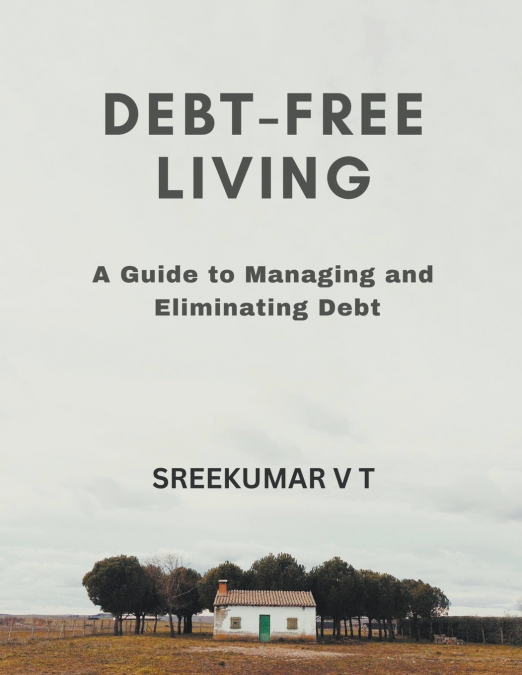
  • Debt-Free Living
    SREEKUMAR V T / V T SREEKUMAR
    'Debt-Free Living: A Guide to Managing and Eliminating Debt' is a comprehensive resource for anyone looking to take control of their finances and achieve freedom from debt. This book provides practical advice, strategies, and tools for managing debt, creating a budget, saving money, and building wealth.Readers will learn how to assess their financial situation, set realistic go...

Otros libros del autor

  • Die intertemporären Auswirkungen der Geldpolitik in einem dynamischen Modell der Währungsunion
    Owe Jessen
    Studienarbeit aus dem Jahr 2001 im Fachbereich VWL - Geldtheorie, Geldpolitik, Note: 1,7, Christian-Albrechts-Universität Kiel, Sprache: Deutsch, Abstract: What about the long run? - In the long run we are all dead.John Maynard KeynesMit diesem Bonmot verdeutlicht Keynes die Bedeutung der kurzfristigen Anpassungsdynamikbeim Übergang zwischen langfristigen Gleichgewichtspunkten....
    Disponible

    19,65 €