AA.VV
 Librería Samer Atenea
 Kálamo Books
 Librería Elías (Asturias)
 Librería Kolima (Madrid)
 Librería Proteo (Málaga)
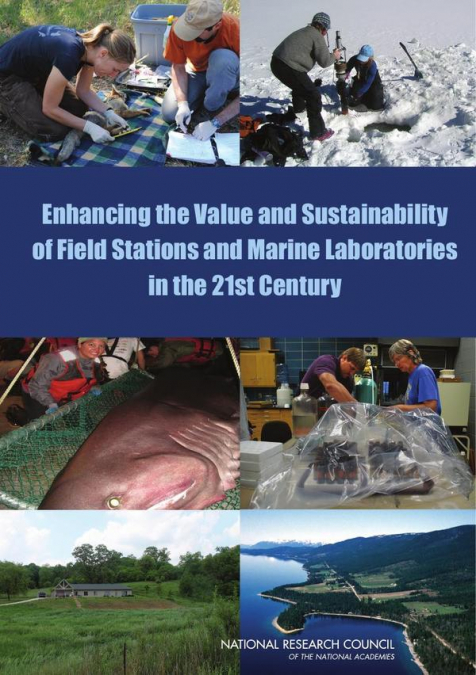
For over a century, field stations have been important entryways for scientists to study and make important discoveries about the natural world. They are centers of research, conservation, education, and public outreach, often embedded in natural environments that range from remote to densely populated urban locations. Because they lack traditional university departmental boundaries, researchers at field stations have the opportunity to converge their science disciplines in ways that can change careers and entire fields of inquiry. Field stations provide physical space for immersive research, hands-on learning, and new collaborations that are otherwise hard to achieve in the everyday bustle of research and teaching lives on campus. But the separation from university campuses that allows creativity to flourish also creates challenges. Sometimes, field stations are viewed as remote outposts and are overlooked because they tend to be away from population centers and their home institutions. This view is exacerbated by the lack of empirical evidence that can be used to demonstrate their value to science and society. Enhancing the Value and Sustainability of Field Stations and Marine Laboratories in the 21st Century summarizes field stations’ value to science, education, and outreach and evaluates their contributions to research, innovation, and education. This report suggests strategies to meet future research, education, outreach, infrastructure, funding, and logistical needs of field stations. Today’s technologies - such as streaming data, remote sensing, robot-driven monitoring, automated DNA sequencing, and nanoparticle environmental sensors - provide means for field stations to retain their special connection to nature and still interact with the rest of the world in ways that can fuel breakthroughs in the environmental, physical, natural, and social sciences. The intellectual and natural capital of today’s field stations present a solid platform, but many need enhancements of infrastructure and dynamic leadership if they are to meet the challenges of the complex problems facing the world. This report focuses on the capability of field stations to address societal needs today and in the future.