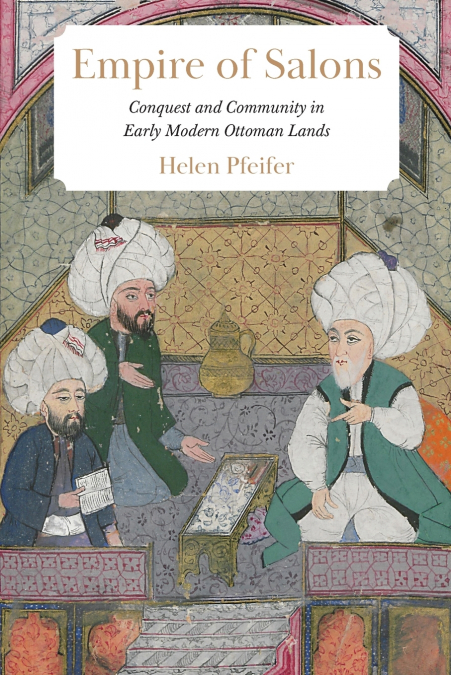

Empire of Salons

Empire of Salons

Helen Pfeifer

38,10 €
IVA incluido
Disponible
Editorial:
Princeton University Press
Año de edición:
2024
Materia
Historia general y mundial
ISBN:
9780691224947
38,10 €
IVA incluido
Disponible

Selecciona una librería:

  • Librería Samer Atenea

  • Kálamo Books
  • Librería Elías (Asturias)
  • Librería Kolima (Madrid)
  • Librería Proteo (Málaga)

A history of the Ottoman incorporation of Arab lands that shows how gentlemanly salons shaped culture, society, and governanceHistorians have typically linked Ottoman imperial cohesion in the sixteenth century to the bureaucracy or the sultan’s court. In Empire of Salons, Helen Pfeifer points instead to a critical but overlooked factor: gentlemanly salons. Pfeifer demonstrates that salons-exclusive assemblies in which elite men displayed their knowledge and status-contributed as much as any formal institution to the empire’s political stability. These key laboratories of Ottoman culture, society, and politics helped men to build relationships and exchange ideas across the far-flung Ottoman lands. Pfeifer shows that salons played a central role in Syria and Egypt’s integration into the empire after the conquest of 1516-17.Pfeifer anchors her narrative in the life and network of the star scholar of sixteenth-century Damascus, Badr al-Din al-Ghazzi (d. 1577), and she reveals that Arab elites were more influential within the empire than previously recognized. Their local knowledge and scholarly expertise competed with, and occasionally even outshone, that of the most powerful officials from Istanbul. Ultimately, Ottoman culture of the era was forged collaboratively, by Arab and Turkophone actors alike.Drawing on a range of Arabic and Ottoman Turkish sources, Empire of Salons illustrates the extent to which magnificent gatherings of Ottoman gentlemen contributed to the culture and governance of empire.
Artículos relacionados

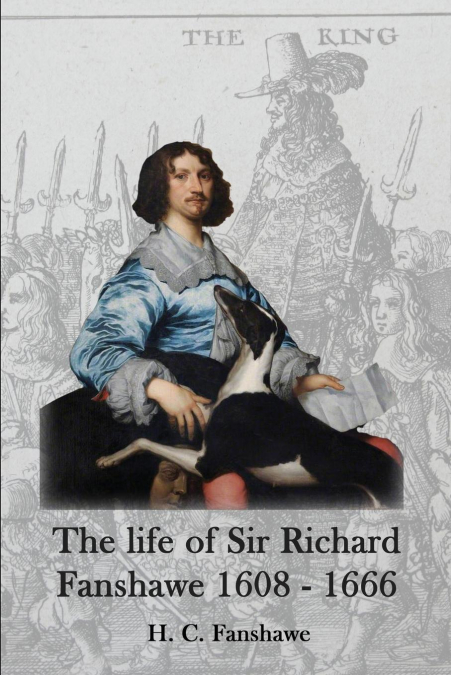
  • The life of Sir Richard Fanshawe, 1608 - 1666
    H C Fanshawe
    Sir Richard Fanshawe (1608-1666), was a diplomat, poet and linguist. As Ambassador to Spain and Portugal he negotiated the marriage of Charles II and Catherine of Braganza. He was also acclaimed for his poetry and his translations of Latin and European works such as the Lusiads by Luis de Camoes and Il Pastor Fido (the Faithful Shepherd) by Giovanni Battista Guarini. Sir Richar...
    Disponible

    17,51 €

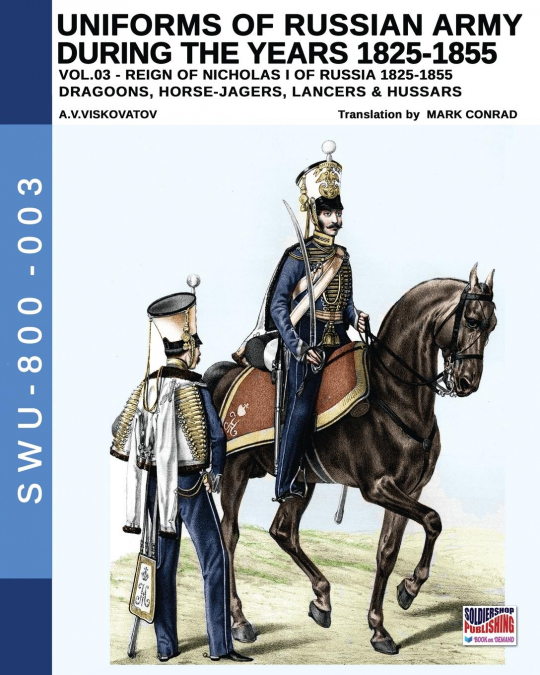
  • Uniforms of Russian Army during the years 1825-1855. Vol. 3
    Aleksandr Vasilevich Viskovatov / Mark Conrad
    This volume is related to the Russian Army during the zar Nicolas Ist era, and are about the uniforms cavalry in use from 1825 to 1855. Compiled at Saint Petersburg during the year from 1837 and 1851, the Historical Description of the Clothing and Arms of the Russian Army has had an enormous impact and great importance for the study on the history of Russian costume and uniform...
    Disponible

    52,04 €

  • Archaeology and Entomology in the Eastern Mediterranean
    Eva Panagiotakopulu
    ...
    Disponible

    74,97 €

  • Luoghi e Architetture della Transizione
    Maria Antonietta Breda
    I sistemi difensivi di confine e la protezione antiaerea nelle città. Storia conservazione riuso / Border defense system and air raid protection in the cities. History conservation reuseThis book collects the papers presented at the Second International Congress on Conoscenza e valorizzazione delle opere militari moderne - Knowledge and development of modern military structures...
    Disponible

    139,91 €

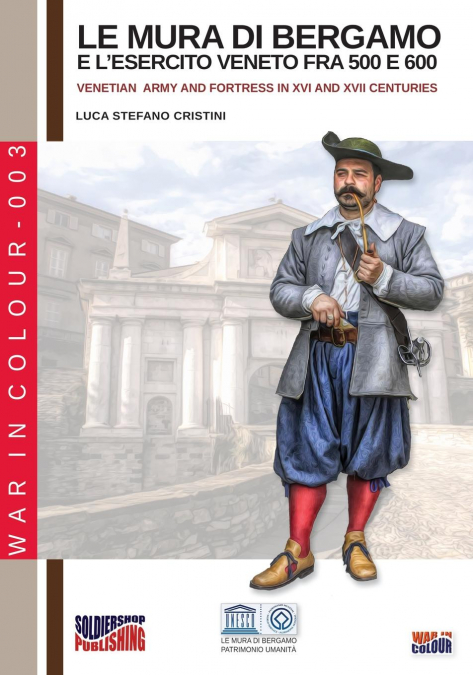
  • Le mura di Bergamo e l’esercito veneto fra 500 e 600
    Luca Stefano Cristini
    Correva l'Anno del Signore 1590. Così scriveva un soddisfatto e pago Alvise Grimani, l'allora comandante veneto della piazza di Bergamo, al termine dei lavori di realizzazione degli oltre cinque chilometri di mura porte e bastioni : 'La città è tutta serrata con baluardi e i suoi membri quasi tutti terrapienati, compite le piazze, i parapetti e le traverse per coprirsi ...
    Disponible

    36,31 €

  • Psychology of Revolution
    Gustave Lebon
    The present age is not merely an epoch of discovery; it is also a period of revision of the various elements of knowledge. Having recognised that there are no phenomena of which the first cause is still accessible, science has resumed the examination of her ancient certitudes, and has proved their fragility. To-day she sees her ancient principles vanishing one by one. ...