
Inicio > Matemáticas y ciencia > Biologia, ciencias de la vida > Biología celular (citología) > Emergence of In Vitro 3D Systems to Model Human Malaria
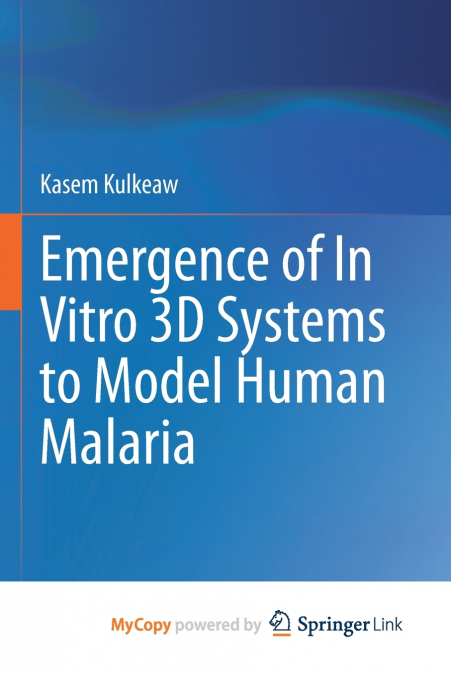
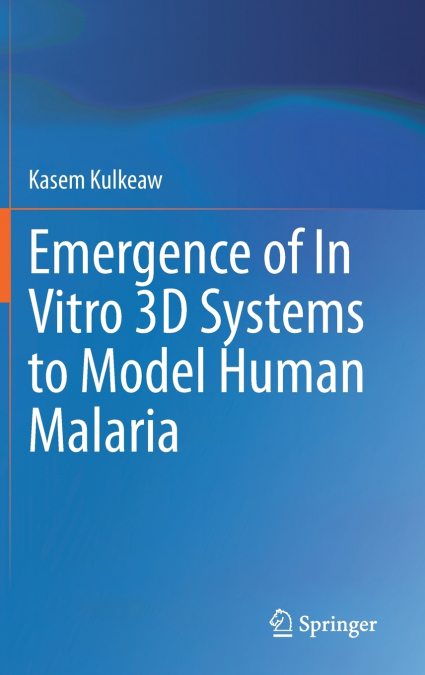
Emergence of In Vitro 3D Systems to Model Human Malaria

Emergence of In Vitro 3D Systems to Model Human Malaria

Kasem Kulkeaw

158,89 €
IVA incluido
Consulta disponibilidad
Editorial:
Springer Nature B.V.
Año de edición:
2023
Materia
Biología celular (citología)
ISBN:
9789819906901

Selecciona una librería:

  • Librería Samer Atenea
  • Librería Aciertas (Toledo)
  • Kálamo Books
  • Librería Perelló (Valencia)
  • Librería Elías (Asturias)
  • Donde los libros
  • Librería Kolima (Madrid)
  • Librería Proteo (Málaga)

This book illustrates the importance and advances of the disease model for malaria, a globally affected public health problem. This book provides comprehensive information on the malaria biology in a liver and all in vitro platforms for liver-stage malaria, including principles, protocols, applications for disease modeling and drug screening, and their limitations. The initial chapter describes the basis of stem cells in liver generation during development and in adults. The subsequent chapters highlight recent and emerging advances in liver organoid and liver-on-a-chip in modeling malaria. The book presents current protocols and methods to generate liver organoid and liver-on-a-chip together with their advantages and limitations. Toward the end, the book examines the humanized mouse model of liver-stage malaria using ectopic artificial livers regarding novel readout modalities. The recent advancement and challenges in combining liver-on-a-chip technology with biosensors are highlighted for assessing hepatocyte development viability and functions. The book elucidates the potential of these 3D models to understand the biological complexity of cellular and molecular mechanisms involved in Plasmodium development in the liver, toolboxes to investigate parasite deployment in the 3D models, and to implement in drug discovery. Finally, the book discusses the future directions and challenges in the applications of liver organoids and liver on-chip in the biology of live-stage malaria. This book is helpful for researchers and scientists in the field of parasitology, cell biology, tissue engineering, and pharmacology.​

Artículos relacionados

  • Sex and the Origins of Death
    William R. Clark
    ...
    Disponible

    56,65 €

  • The Way of the Cell
    Franklin M. Harold
    ...
    Disponible

    29,88 €

  • Haematopoietic and Lymphoid Cell Culture
    Margaret J. Dallman / Margaret JDallman
    ...
    Disponible

    81,61 €

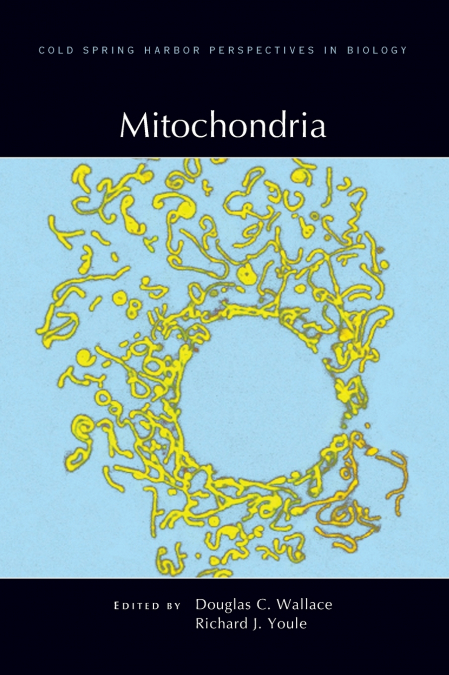
  • Mitochondria
    Douglas C Wallace / Richard J Youle
    'A subject collection from Cold Spring Harbor perspectives in biology.' ...
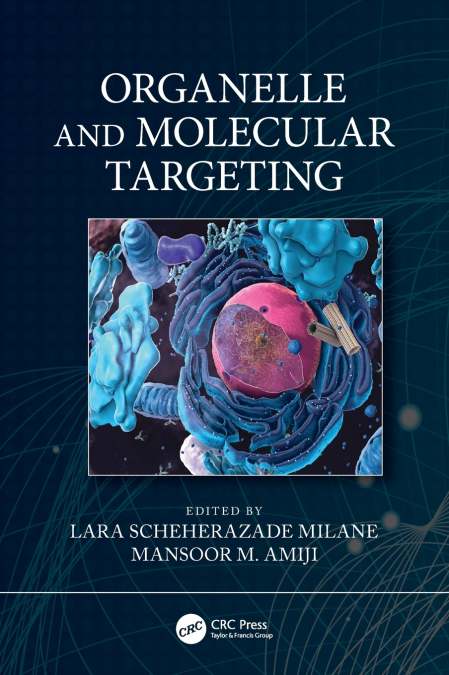
  • Organelle and Molecular Targeting
    Drugs must be delivered to the target tissue or, better yet, the target organelles. A more specific target minimizes toxicity and side effects and maximizes therapeutic effect. This book is a comprehensive review of Organelle Targeting. ...
  • How Life is Different
    Vitaly Shubin
    The book examines basic principles of the structure and organization of living organisms and their differences from objects of inanimate nature. It is shown how a single program-information structure permeates all evolutionary stages of life, including the cell, multicellular organisms and humans. ...

Otros libros del autor

  • Emergence of In Vitro 3D Systems to Model Human Malaria
    Kasem Kulkeaw
    This book illustrates the importance and advances of the disease model for malaria, a globally affected public health problem. This book provides comprehensive information on the malaria biology in a liver and all in vitro platforms for liver-stage malaria, including principles, protocols, applications for disease modeling and drug screening, and their limitations. The initial ...
    Disponible

    48,71 €