El problema de la eternidad del mundo en el pensamiento medieval

El problema de la eternidad del mundo en el pensamiento medieval

El problema de la eternidad del mundo en el pensamiento medieval

Olga Larre

23,40 €
IVA incluido
Disponible
Editorial:
Miño y Dávila Editores - Esp
Año de edición:
2019
Materia
Filosofía occidental: antigua, hasta c. 500
ISBN:
9788417133603
23,40 €
IVA incluido
Disponible

Selecciona una librería:

  • Librería Samer Atenea
  • Librería Aciertas (Toledo)
  • Kálamo Books
  • Librería Perelló (Valencia)
  • Librería Elías (Asturias)
  • Donde los libros
  • Librería Kolima (Madrid)
  • Librería Proteo (Málaga)

Nuestro tiempo, gravitado en su modo de pensar por el vasto panorama que las ciencias han obtenido sobre la naturaleza del universo y de la vida, suele encarar bajo una mirada científica la resolución del problema en torno al origen y la eternidad del mundo. Por ello entendemos que el discernimiento de los núcleos problemáticos formulados en otro período histórico, pueden resultar de interés para el pensamiento contemporáneo si se tiene como finalidad descubrir el foco del verdadero problema filosófico que, por ser tal, transita de un modo permanente el curso de la historia, trasvasándose de una época a otra bajo formulaciones diferentes, y exponiendo una misma dificultad metafísica, antigua y a la vez, siempre nueva.La querella medieval sobre el tema que nos ocupa se ha expresado en tres oportunidades distintas. La primera entre el neoplatónico cristiano Juan Filopón y Simplicio, en los inicios del siglo VI, discutiendo ampliamente las argumentaciones aristotélicas.Una segunda fase, en el ámbito del pensamiento musulmán, se produce cuando Algacel disputa con los filósofos, la tesis de la eternidad del mundo como contraria al Corán y a la razón. Y es Averroes quien, en nombre de la razón, de Aristóteles y de la filosofía, le propone como res-puesta su Destrucción o Incoherencia de la incoherencia.Por último, la etapa que cierra el medioevo se produce en el seno de la universidad medieval cristiana y latina, en la segunda mitad del siglo XIII y queda centrada en las figuras de los maestros Buenaventura y Tomás de Aquino. Es este el momento de mayor efervescencia entre la posición de los maestros de artes y los teólogos; su trazo distintivo es que pone en juego a un número muy importante de interlocutores que han tenido innegables proyecciones en el pensamiento posterior. 10
Artículos relacionados

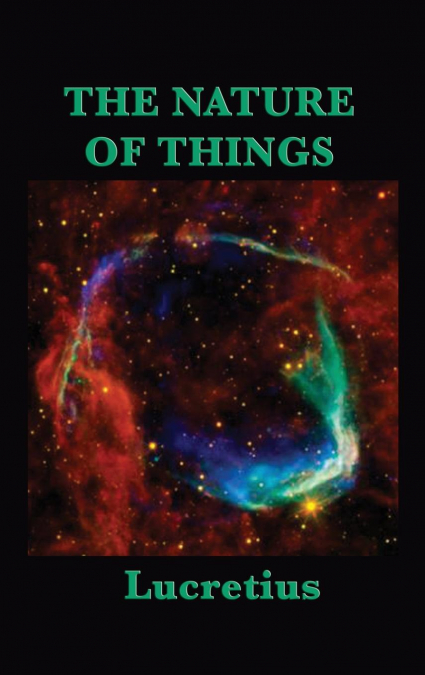
  • The Nature of Things
    Lucretius Lucretius
    De rerum natura (On the Nature of Things) is a 1st century BC didactic poem by the Roman poet and philosopher Lucretius with the goal of explaining Epicurean philosophy to a Roman audience. Lucretius presents the principles of atomism; the nature of the mind and soul; explanations of sensation and thought; the development of the world and its phenomena; and explains a variety o...
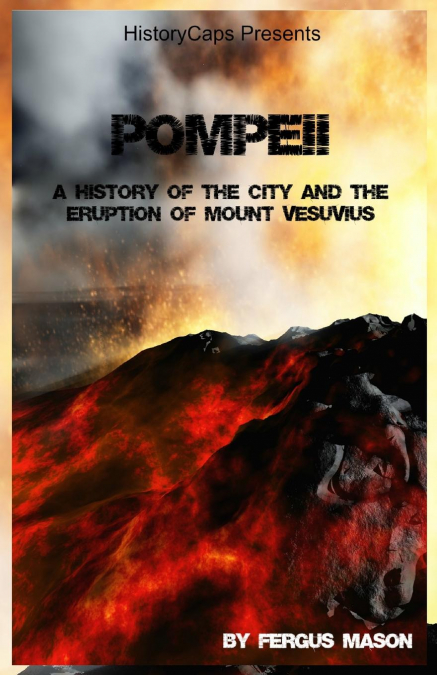
  • Pompeii
    Fergus Mason
    Pompeii was one of most advanced cities of its time; it had a complex water system, gymnasium, and an amphitheater. Despite it's advancements, there was one thing it wasn't ready for: Mount Vesuvius—the volcano that led to its ultimate doom.  The 79 AD eruption of Mount Vesuvius was one of the worst disasters in all of European history. In a near instant, over 15,000 p...
    Disponible

    10,36 €

  • Middle Platonism and Neoplatonism, Volume 1
    Stephen Gersh
    'It is generally agreed that those types of philosophy that are loosely called ’Platonic’ and ’Neoplatonic’ played a crucial role in the history of European culture during the centuries between antiquity and the Renaissance. However, until now no scholar has attempted to describe the evolution of these forms of thought in a single comprehensive academic study.' So writes Stephe...
  • Middle Platonism and Neoplatonism, Volume 2
    Stephen Gersh
    It is generally agreed that those types of philosophy that are loosely called 'Platonic' and 'Neoplatonic' played a crucial role in the history of European culture during the centuries between antiquity and the Middle Ages. However, until now no scholar has attempted to describe the evolution of these forms of thought in a single comprehensive academic study. Middle Platonism a...
  • Porphyry’s Commentary on Ptolemy’s Harmonics
    Andrew Barker
    ...
    Disponible

    77,17 €

  • The Roots of Platonism
    John Dillon
    ...
    Disponible

    25,29 €