 Librería Samer Atenea
 Kálamo Books
 Librería Elías (Asturias)
 Librería Kolima (Madrid)
 Librería Proteo (Málaga)
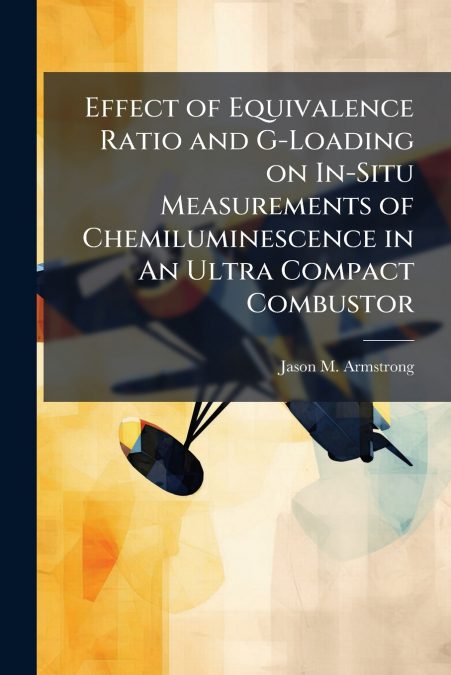
Using a spectrometer and high temperature fiber optics the relative intensities of the near-infrared, visible and ultraviolet radiation emitted from the C2*, CH*, and OH* radicals were measured at eight discrete locations within the Ultra Compact Combustor test rig. Blackbody radiation in the near infrared was also observed. The tests were conducted at various g-loadings and overall equivalence ratios and with various air hole configurations. These measurements were compared to determine the effect of these changes on the radiatio n emitted. Local C2* intensities were used to estimate the flame location within the combustor and the local CH*/OH* ratio was used as a gauge of the local equivalence ratio within the cavity. Results indicate the highest ratios of CH*/OH* occur in the outer radius of the cavity where the high g-loads transport the colder unreacted fuel and air. The highest C2* ratios also occur in the outer radius. A correlation between cavity equivalence ratio and C2*/OH* was determined for these experiments as well. Fuel droplet size characterization was also conducted using a laser diffraction particle size analyzer. The same pressure atomizer used in the Ultra Compact Combustor test rig was used. Fuel flow conditions simulated the same fuel flow conditions as the test rig. Experiments indicated poor atomization at the lower overall fuel to air ratio test conditions since the fuel flow pressure is relatively low at these test conditions. Combustion efficiencies were also some of the lowest efficiencies measured for these test conditions, which is indicative of poor fuel atomization. All experiments were completed in the Air Force Research Laboratory’s Atmospheric Combustion Research Facility at Wright-Patterson AFB. This research supports compact common iv core initiatives of the Versatile, Affordable, Advanced Turbine Engine (VAATE) program.This work has been selected by scholars as being culturally important, and is part of the knowledge base of civilization as we know it. This work was reproduced from the original artifact, and remains as true to the original work as possible. Therefore, you will see the original copyright references, library stamps (as most of these works have been housed in our most important libraries around the world), and other notations in the work.This work is in the public domain in the United States of America, and possibly other nations. Within the United States, you may freely copy and distribute this work, as no entity (individual or corporate) has a copyright on the body of the work.As a reproduction of a historical artifact, this work may contain missing or blurred pages, poor pictures, errant marks, etc. Scholars believe, and we concur, that this work is important enough to be preserved, reproduced, and made generally available to the public. We appreciate your support of the preservation process, and thank you for being an important part of keeping this knowledge alive and relevant.