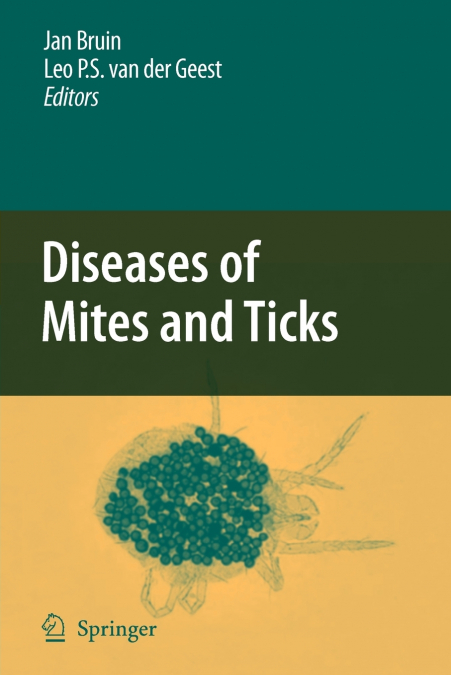

Diseases of Mites and Ticks

Diseases of Mites and Ticks


247,15 €
IVA incluido
Disponible
Editorial:
Springer Nature B.V.
Año de edición:
2010
Materia
Zoología y ciencias animales
ISBN:
9789048181858
247,15 €
IVA incluido
Disponible

Selecciona una librería:

  • Librería Samer Atenea
  • Librería Aciertas (Toledo)
  • Kálamo Books
  • Librería Perelló (Valencia)
  • Librería Elías (Asturias)
  • Donde los libros
  • Librería Kolima (Madrid)
  • Librería Proteo (Málaga)

Ticks transmit a greater variety of pathogens than any other group of hemotophagous arthropods (Sonenshine 1993). In ticks, the midgut is the ?rst site of exposure to a wide variety of hemoparasites that may be ingested with the bloodmeal. Some of these he- parasites are either not infective for ticks and rapidly digested or cleared by the innate tick immune system. Others infect midgut epithelial cells where they multiply and subsequently infect other tissues including the salivary glands. Transmission may occur when the tick is ingested by the vertebrate host or from salivary glands via the saliva to vertebrate hosts when the tick feeds again. Tick-borne pathogens have apparently co-evolved with ticks for their mutual survival because, while pathogens undergo considerable multiplication in ticks, these infections do not appear to be detrimental to tick feeding or their biology (Kocan et al. 1992a, 2005; Sonenshine et al. 2005). Among the various tick-borne pathogens, those belonging to the genus Anaplasma (Rickettsiales: Anaplasmataceae) are obligate intracellular organisms found exclusively within parasitophorous vacuoles in the cytoplasm of both vertebrate and tick host cells (Kocan 1986; Dumler et al. 2001). The type species, A. marginale, causes the econo- cally important cattle disease, anaplasmosis, with Dermacentor variabilis comprising one of the main tick vectors of this pathogen in the USA (Kocan et al. 2004).
Artículos relacionados

  • Animaltown
    Urban space constitutes a place where people and animals live together in close proximity with each other, creating changing landscapes of co-existence, conflict, mutual dependencies and exploitation. The medieval animals found in the articles of Animaltown: Beasts in Medieval Urban Space, appear in text and image, as well as archaeological find materials in the form of butcher...
    Disponible

    109,24 €

  • Pleasurable Kingdom
    Jonathan Balcombe
    Pleasurable Kingdom presents new evidence that animals--like humans--enjoy themselves. From birds to baboons, insects to iguanas, animals feel good thanks to play, sex, touch, food, anticipation, comfort, aesthetics, and more. Combining rigorous evidence, elegant argument and amusing anecdotes, leading animal behavior researcher Jonathan Balcombe shows that the possibility of p...
    Disponible

    18,96 €

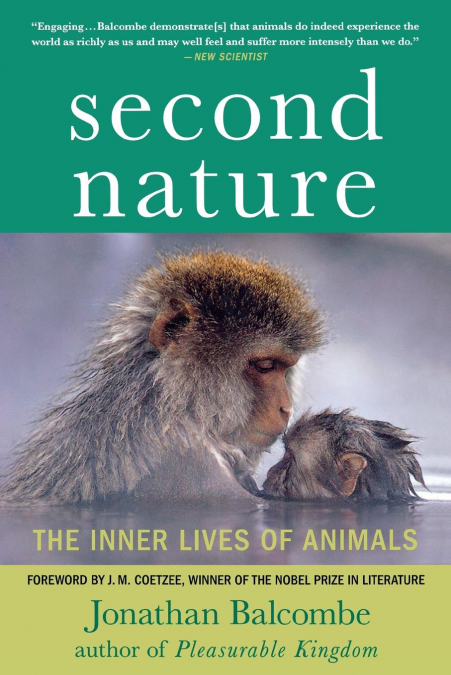
  • SECOND NATURE
    Jonathan Balcombe
    ...
    Disponible

    16,52 €

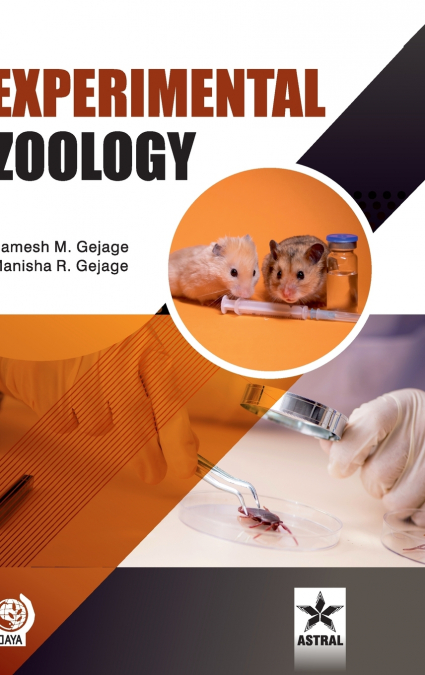
  • Experimental Zoology
    Manisha R Gejage / Ramesh M Gejage
    The goal of the book is to present the practical knowledge of Zoology. Animal diversity, venomous and non-venomous snakes, study of birds, brain of fowl and hyoid apparatus, sclerotic plates, pecten and collumella of fowl, scales of fishes, biochemical tests, activity of salivary amylase, estimation of total protein and lipid, DNA isolation and estimation of uric acid are given...
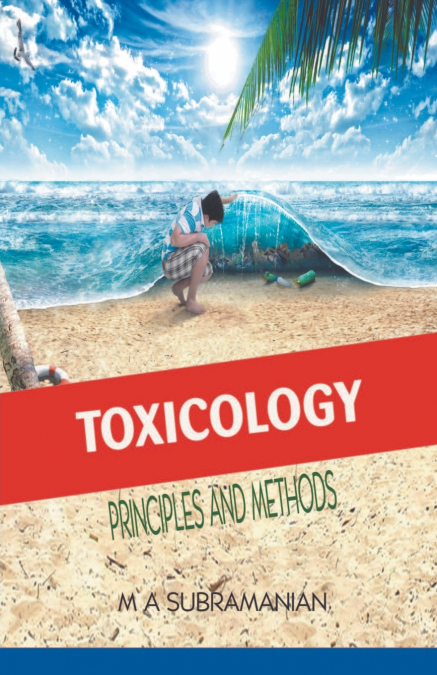
  • TOXICOLOGY
    M A SUBRAMANIAN
    In an era defined by burgeoning human populations, rampant industrialization, cutting-edge technological progress, and expanding urban landscapes, the integrity of our natural environment faces unprecedented challenges. The relentless march of progress has ushered in a flood of chemicals, seeping into the very fabric of our ecosystems and posing insidious threats to biological ...
    Disponible

    23,69 €

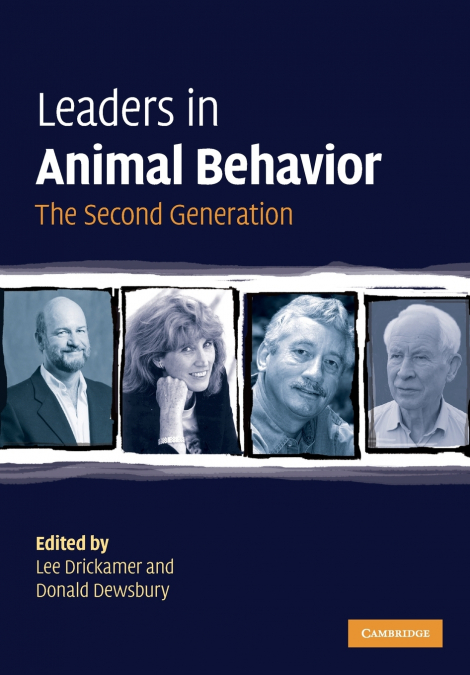
  • Leaders in Animal Behavior
    Donald Dewsbury / Lee Drickamer
    ...
    Disponible

    64,68 €