Inicio > > Informática: cuestiones generales > Die Entwicklung der Informatik zur Wissenschaft
Die Entwicklung der Informatik zur Wissenschaft

Die Entwicklung der Informatik zur Wissenschaft

Daniel Jäger

21,24 €
IVA incluido
Disponible
Editorial:
GRIN Verlag
Año de edición:
2009
Materia
Informática: cuestiones generales
ISBN:
9783640431847
21,24 €
IVA incluido
Disponible

Selecciona una librería:

  • Librería Samer Atenea
  • Librería Aciertas (Toledo)
  • Kálamo Books
  • Librería Perelló (Valencia)
  • Librería Elías (Asturias)
  • Donde los libros
  • Librería Kolima (Madrid)
  • Librería Proteo (Málaga)

Studienarbeit aus dem Jahr 2004 im Fachbereich Didaktik - Informatik, Note: 2, Technische Universität Darmstadt (Institut für Informatik), Veranstaltung: Fachdidaktik der Informatik , Sprache: Deutsch, Abstract: Die Bezeichnung „Informatik' taucht zum ersten Mal 1957 in einem Leserbrief von Karl Steinbruch an die Zeitschrift Computermagazin auf. Durch theoretische und praktische Arbeiten verbreitet die Firma Standart-Elektrik-Lorenz (SEL) den Begriff Informatik sehr schnell und hat sogar eine Zeit lang den Rechtschutz auf das Wort inne, gibt den aber schließlich wieder auf. Analysiert man das Wort, so kommt man auf die zwei Bestandteile Information und Automatik. SEL verwendet folgende Definition: „Informatik heißt die von uns entwickelte Technik und Anwendung elektronischer Rechensysteme zur automatischen Verarbeitung von Information in Wirtschaft, Wissenschaft und Technik' (Baumann, 1996, S. 80).An amerikanischen Universitäten werden zur gleichen Zeit so genannte „Departments of Computer Science' (Baumann, 1996, S. 80) eingerichtet, die vorhandene Forschungsaktivitäten koordinieren sollen. Als auch in Europa die Forschung in dieser Richtung ausgebaut wird, übersetzt die Académie Française den Begriff „computer science' im Jahre 1966 mit „informatique'. Von dort ist es nicht mehr weit zum deutschen Begriff Informatik.1968 wird dieser Begriff anlässlich einer Tagung in Berlin in der Eröffnungsrede verwendet. Die Medien verbreiten das Wort Informatik, so dass es bald in den allgemeinen Sprachgebrauch eingeht. (vgl. Baumann, 1996, S. 80)Um die Entstehung der Informatik als Wissenschaft einordnen zu können, ist es zunächst notwendig Kriterien, die eine Wissenschaft ausmachen, zu kennen. Anschließend kann die neu entstandene Wissenschaft in das bestehende System der Wissenschaften eingeordnet werden.Diese Arbeit stellt oben genannte Kriterien von Wissenschaften, die Entstehung des Studiengangs Informatik und damit auch der Wissenschaft Informatik dar, ebenso werden


Artículos relacionados

  • Interview with Jeffery Khoury, Bringing Telemedicine to the People
    Richard G Lowe Jr
    Did you know you can consult with a medical specialist over your smartphone from the comfort of your own home? Imagine speaking to a highly-trained and accredited doctor about whatever is ailing you from virtually anywhere in the world.Thanks to a young entrepreneur named Jeffery Khoury, you can get the advice you need from a pool of medical specialists without waiting in a doc...
  • IT Consulting Secrets
    Carl A Katz
    This book is for IT consultants of all experience levels and the content is relevant to any IT support business model from managed services (MSP) to break/fix. The author has methodically compiled these strategies and this information from over sixteen years of experience working in the IT support field at the small and medium sized business and enterprise levels. ...
    Disponible

    29,41 €

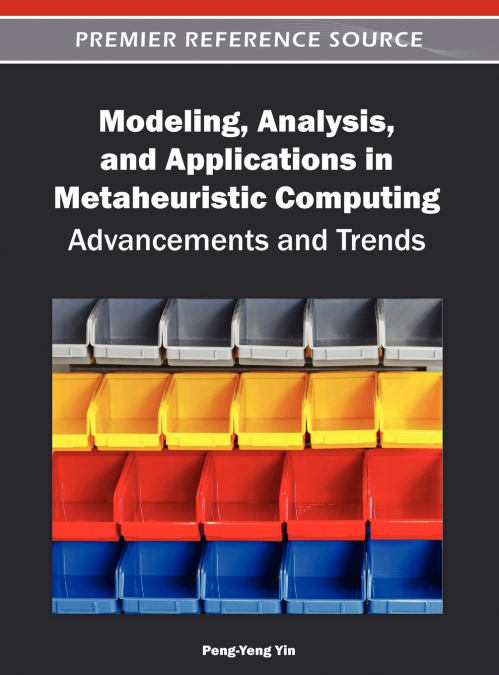
  • Modeling, Analysis, and Applications in Metaheuristic Computing
    Peng-Yeng Yin
    The engineering and business problems the world faces today have become more impenetrable and unstructured, making the design of a satisfactory problem-specific algorithm nontrivial. Modeling, Analysis, and Applications in Metaheuristic Computing: Advancements and Trends is a collection of the latest developments, models, and applications within the transdisciplinary fields rel...
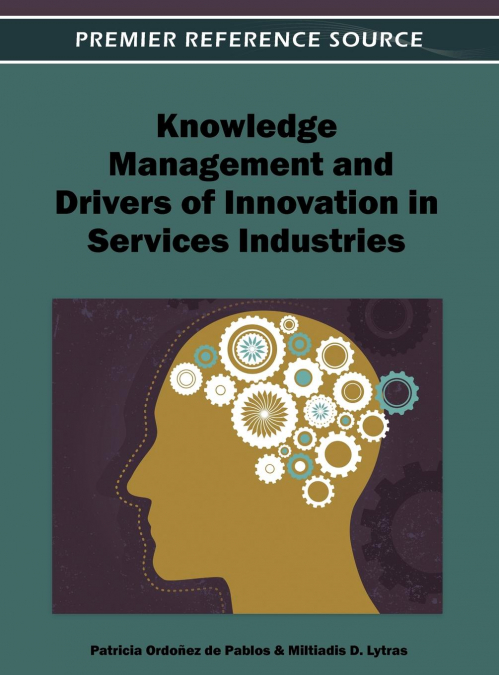
  • Knowledge Management and Drivers of Innovation in Services Industries
    Knowledge Management is concerned with all aspects of eliciting, acquiring, modelling, and managing knowledge. Application of knowledge resources successfully helps the organization to deliver creative products and services. Especially in service business, service job experience and information about the customer, as well as the installed site equipment, are key factors to deli...
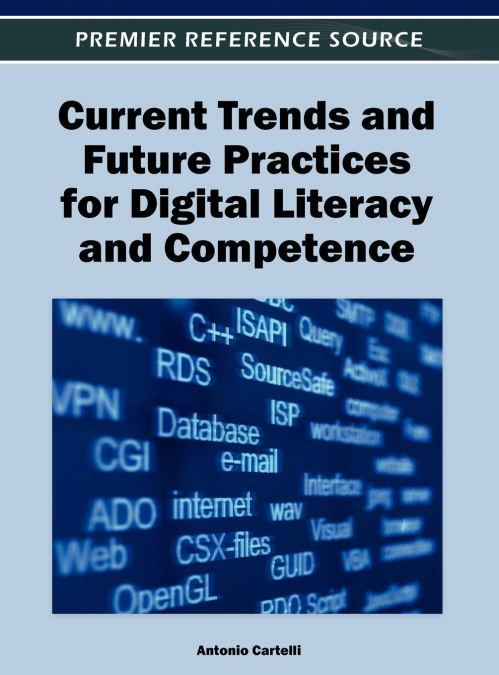
  • Current Trends and Future Practices for Digital Literacy and Competence
    Antonio Cartelli
    Being a digital citizen has transformed from a process of familiarizing ones’ self with terminology and techniques to a full-time responsibility in the hands of any who want to stay abreast of the latest technological change in their respective field. Current Trends and Future Practices for Digital Literacy and Competence offers a look at the latest research within digital lite...
  • Human Rights and Risks in the Digital Era
    Globalization, along with its digital and information communication technology counterparts, including the Internet and cyberspace, may signify a whole new era for human rights, characterized by new tensions, challenges, and risks for human rights, as well as new opportunities. Human Rights and Risks in the Digital Era: Globalization and the Effects of Information Technologies ...