Inicio > Humanidades > Filosofía > Historia de la filosofía occidental > Filosofía occidental: antigua, hasta c. 500 > Der Zusammenhang von Nikomachischer Ethik und Politika von Aristoteles
Der Zusammenhang von Nikomachischer Ethik und Politika von Aristoteles

Der Zusammenhang von Nikomachischer Ethik und Politika von Aristoteles

Monika Skolud

14,50 €
IVA incluido
Disponible
Editorial:
GRIN Publishing
Año de edición:
2007
Materia
Filosofía occidental: antigua, hasta c. 500
ISBN:
9783638751339
14,50 €
IVA incluido
Disponible

Selecciona una librería:

  • Librería Samer Atenea
  • Librería Aciertas (Toledo)
  • Kálamo Books
  • Librería Perelló (Valencia)
  • Librería Elías (Asturias)
  • Donde los libros
  • Librería Kolima (Madrid)
  • Librería Proteo (Málaga)

Studienarbeit aus dem Jahr 2005 im Fachbereich Philosophie - Philosophie der Antike, Note: 1,0, Freie Universität Berlin (Philosophie und Geisteswissenschaften), Veranstaltung: Aristoteles Politika, 8 Quellen im Literaturverzeichnis, Sprache: Deutsch, Abstract: Das Thema dieser Arbeit ist der Zusammenhang der Nikomachischen Ethik und der Politika von Aristoteles. Ziel ist es aufzuzeigen und zu verdeutlichen, warum das Gute für den Menschen und das Gute für die Polis bei Aristoteles in dieser engen Verknüpfung stehen und auf welcher Grundlage dies geschieht. Das >Gute für die PolisGute für den MenschenGuten Lebens< erforderlich sind. Die Verbindung ergibt sich durch die Konzeption des >Guten Lebens< für die Menschen, das ausschließlich in der >Guten Polis< zu verwirklichen ist. Die Ethik ist das Konzept für das >Gute Leben der Menschen< in der >Guten Polis< und die Polis ist sowohl Grundlage als auch Ziel der tugendhaften Menschen. Zum einen wird die Möglichkeit der Ausbildung der Tugend durch die Form der Polis bestimmt und zum anderen ist die Form der Polis von der ethischen Praxis der Staatsbürger abhängig. Das Gute ist bei Aristoteles ein Praktisches. Die politische Wissenschaft als Wissenschaft des menschlic

Artículos relacionados

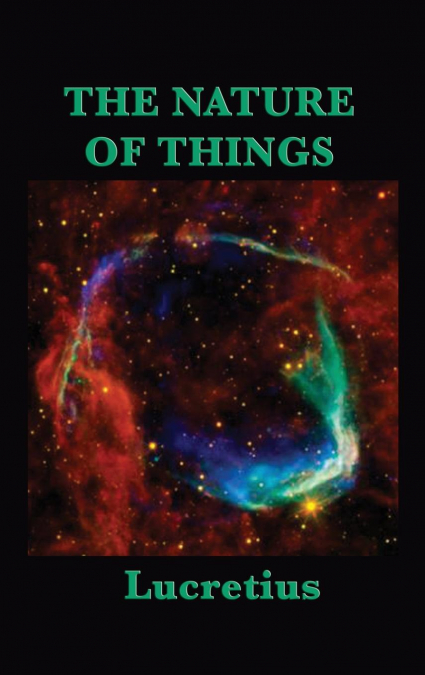
  • The Nature of Things
    Lucretius Lucretius
    De rerum natura (On the Nature of Things) is a 1st century BC didactic poem by the Roman poet and philosopher Lucretius with the goal of explaining Epicurean philosophy to a Roman audience. Lucretius presents the principles of atomism; the nature of the mind and soul; explanations of sensation and thought; the development of the world and its phenomena; and explains a variety o...
  • Pompeii
    Fergus Mason
    Pompeii was one of most advanced cities of its time; it had a complex water system, gymnasium, and an amphitheater. Despite it's advancements, there was one thing it wasn't ready for: Mount Vesuvius—the volcano that led to its ultimate doom.  The 79 AD eruption of Mount Vesuvius was one of the worst disasters in all of European history. In a near instant, over 15,000 p...
    Disponible

    10,36 €

  • Middle Platonism and Neoplatonism, Volume 1
    Stephen Gersh
    'It is generally agreed that those types of philosophy that are loosely called ’Platonic’ and ’Neoplatonic’ played a crucial role in the history of European culture during the centuries between antiquity and the Renaissance. However, until now no scholar has attempted to describe the evolution of these forms of thought in a single comprehensive academic study.' So writes Stephe...
  • Middle Platonism and Neoplatonism, Volume 2
    Stephen Gersh
    It is generally agreed that those types of philosophy that are loosely called 'Platonic' and 'Neoplatonic' played a crucial role in the history of European culture during the centuries between antiquity and the Middle Ages. However, until now no scholar has attempted to describe the evolution of these forms of thought in a single comprehensive academic study. Middle Platonism a...
  • Porphyry’s Commentary on Ptolemy’s Harmonics
    Andrew Barker
    ...
    Disponible

    77,17 €

  • The Roots of Platonism
    John Dillon
    ...
    Disponible

    25,29 €