Librería Samer Atenea
 Kálamo Books
 Librería Elías (Asturias)
 Librería Kolima (Madrid)
 Librería Proteo (Málaga)
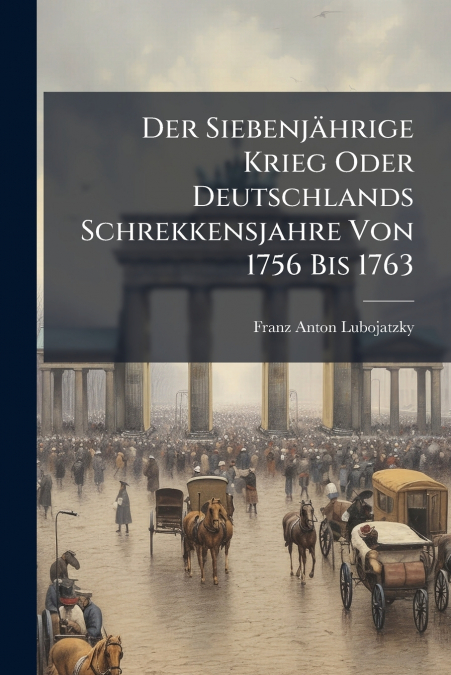
'Der Untergang Der Protestanten In Ober-oesterreich: Historischer Roman In 2 Theilen, Volume 2' by Franz Anton Lubojatzky, offers a compelling narrative set against the backdrop of religious upheaval in 18th-century Upper Austria. This historical novel vividly portrays the decline of the Protestant community, exploring themes of persecution, resilience, and the struggle for religious freedom.Lubojatzky’s detailed storytelling brings to life the challenges faced by Protestants during a tumultuous period in Austrian history. Readers are immersed in a world of political intrigue and personal sacrifice, as characters navigate the complex landscape of faith and survival. This volume provides valuable insights into the social and religious dynamics of the time, making it a significant contribution to historical fiction and a poignant reflection on the enduring power of belief.This work has been selected by scholars as being culturally important, and is part of the knowledge base of civilization as we know it. This work was reproduced from the original artifact, and remains as true to the original work as possible. Therefore, you will see the original copyright references, library stamps (as most of these works have been housed in our most important libraries around the world), and other notations in the work.This work is in the public domain in the United States of America, and possibly other nations. Within the United States, you may freely copy and distribute this work, as no entity (individual or corporate) has a copyright on the body of the work.As a reproduction of a historical artifact, this work may contain missing or blurred pages, poor pictures, errant marks, etc. Scholars believe, and we concur, that this work is important enough to be preserved, reproduced, and made generally available to the public. We appreciate your support of the preservation process, and thank you for being an important part of keeping this knowledge alive and relevant.