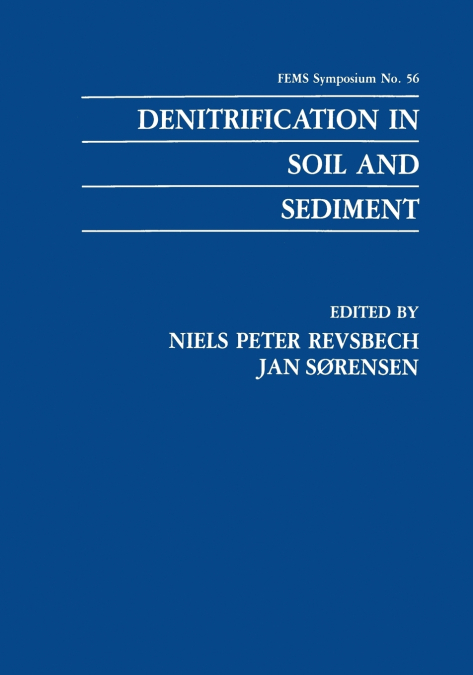

Denitrification in Soil and Sediment

Denitrification in Soil and Sediment


269,95 €
IVA incluido
Disponible
Editorial:
Springer Nature B.V.
Año de edición:
2013
Materia
Bioquímica
ISBN:
9781475799712
269,95 €
IVA incluido
Disponible

Selecciona una librería:

  • Librería Samer Atenea
  • Librería Aciertas (Toledo)
  • Kálamo Books
  • Librería Perelló (Valencia)
  • Librería Elías (Asturias)
  • Donde los libros
  • Librería Kolima (Madrid)
  • Librería Proteo (Málaga)

The formation of atmospheric nitrogen gas by denitrifying bacteria may represent a significant nutrient sink in natural ecosystems. The rate of denitrification has often been difficult to measure in situ, however, and new methodologies should stimulate research on distribution of activity in space and time. The load of fertilizer nitrogen in modem agriculture has led to increasing nutrient reservoirs in recipient subsoils, aquifers, inland waters and coastal seas. By its conversion of nitrate to atmospheric nitrogen, bacterial denitrification is the only biological process to potentially reduce the impact of increasing nutrient loadings by fertilizer nitrogen in the environment. As part of a scientific program set up by the Danish Ministry of Environment to study environment cycling of nitrogen, phosphorous and organic matter (NPO program) in the light of agricultural, domestic and industrial activities, a symposium on DENITRIFICATION IN SOIL AND SEDIMENT was held at the University of Aarhus, Denmark from 6-9 June 19i 9. On the basis of lectures given at the symposium, this book contains a number of invited contributions on the regulation of denitrification activity (control of enzyme synthesis and activity) and measurement of in situ rates of denitrification in terrestrial and aquatic environments (control factors, diel and seasonal variations, etc). Emphasis has been placed on including the recent improvements in methodologies and current understanding of process regulation, however the book also contains examples of integrated research on the significance of denitrification in environmental nutrient cycling.

Artículos relacionados

  • Applied Molecular Genetics of Fungi
    British Mycological Society / Peberdy
    ...
  • Horrible Biology
    Arnold Lawson
    Delve into the eerie aspects of nature with this well-illustrated and enlightening book, unveiling the ghastly facets of life that thrive amidst us. From deadly poisonous frogs to plants that can drive one mad, from minuscule spiders residing on the skin to flies feasting on human flesh, and parasitic worms inhabiting human bodies to fungi annihilating frogs - discover these an...
    Disponible

    13,88 €

  • Polar Microbiology
    Polar microbiology is a promising field of research that can tell us much about thefundamental features of life. The microorganisms that inhabit Arctic and Antarcticenvironments are important not only because of the unique species they represent, but alsobecause of their diverse and unusual physiological and biochemical properties. Furthermore,microorganisms living in Polar Reg...
  • Hands-On Experience of Microbial World
    Kyu Hong Cho
    Hands-On Experience of Microbial World: Microbiology Laboratory Exercises provides students with immersive experiences in microbiology.Organized into three comprehensive sections-general microbiology, health-related microbiology, and biotechnology utilizing microorganisms-the exercises cover a diverse range of topics. Students delve into essential techniques such as staining mi...
    Disponible

    85,01 €

  • Prostaglandins, Leukotrienes, and the Immune Response
    John L. Ninneman / John LNinneman / Ninnemann John L.
    ...
    Disponible

    71,64 €

  • Modeling Disease Transmission and Its Prevention by Disinfection
    Hurst Christon J.
    ...
    Disponible

    65,94 €