
Inicio > Matemáticas y ciencia > Biologia, ciencias de la vida > Das Glykosaminoglykan-/Glykan-Interaktom
Das Glykosaminoglykan-/Glykan-Interaktom

Das Glykosaminoglykan-/Glykan-Interaktom

James Melrose

72,14 €
IVA incluido
Disponible
Editorial:
KS OmniScriptum Publishing
Año de edición:
2026
Materia
Biologia, ciencias de la vida
ISBN:
9786630442922
72,14 €
IVA incluido
Disponible

Selecciona una librería:

  • Librería Samer Atenea

  • Kálamo Books
  • Librería Elías (Asturias)
  • Librería Kolima (Madrid)
  • Librería Proteo (Málaga)

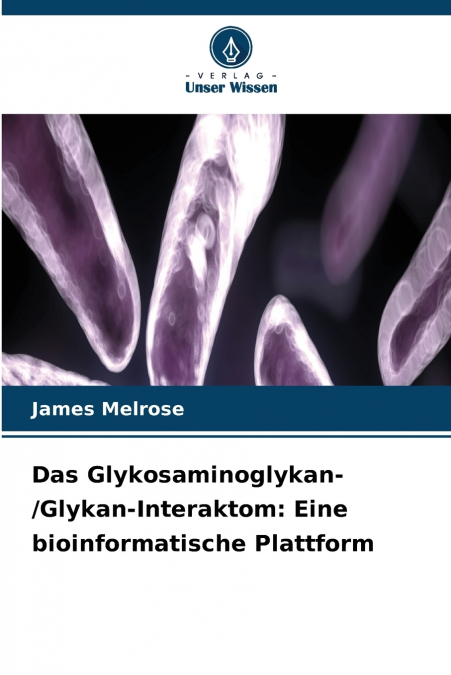
Der Glykan-/Glykosaminoglykan-Glykokalyx, der jede Zelle umgibt, bietet eine Vielzahl von Erkennungsmotiven, die das Zellverhalten durch verschiedene lineare und verzweigte Strukturen regulieren, die an variablen Ringpositionen mit funktionellen Gruppen (Sulfatierung, Phosphorylierung) modifiziert sind. Dies stellt einen bedeutenden, informationsreichen Speicher von „Erkennungsdaten' dar, der ein erhebliches Maß an funktioneller Information in dem so genannten Glyko-Code kodiert. Zellen können diese Informationen während der Gewebemorphogenese räumlich und zeitlich interpretieren. Der Glyko-Code stellt ein Informationssystem dar, das mit dem in RNA/DNA und Proteinen kodierten System konkurriert. Dank der jüngsten Fortschritte in der Glykobiologie wird es nun möglich, Hochdurchsatzanalysen durchzuführen, um den Glyko-Code besser zu interpretieren, und es stehen aufschlussreiche Informationen zur Verfügung, die in der Reparaturbiologie sowie bei Strategien zur Bekämpfung viraler und bakterieller Infektionen Anwendung finden. Die hohe Präzision dieser Techniken bietet nun die Mittel, um einige wichtige Fragen zu Gesundheit und Krankheit zu beantworten, und wird erforderlich sein, um den stetig zunehmenden Auswirkungen solcher Infektionen beim Menschen entgegenzuwirken.

Artículos relacionados

  • Viral Replication Complexes
    Viruses are obligate intracellular parasites that need to co-opt a living cell’s machinery for replication. At the heart of the viral replication machinery are the nucleic acid polymerases, which are responsible for efficiently copying the viral genome. This process must often be coordinated with other viral processes, including protein translation and viral packaging. The poly...
  • Advances in Flavivirus Research
    The flaviviruses are composed almost entirely of arthropod-borne viruses, a subset of which are responsible for millions of cases of human disease each year. Among these viruses are dengue virus—a scourge throughout the tropical regions of Asia and the Americas; yellow fever virus—the “original” hemorrhagic fever virus; and the recently emerged Zika virus. While the flaviviruse...
    Disponible

    51,85 €

  • Brain Asymmetry of Structure and/or Function
    Lesley J. Rogers / Lesley JRogers
    This edited book brings together research reports on the asymmetry of brain function in various species, including humans, dogs, birds, lizards and bees. As shown in a wide range of species, and, as we now know, not solely in humans, the left and right sides of the brain process information in different ways and control different responses or patterns of behaviour. Since this d...
    Disponible

    51,71 €

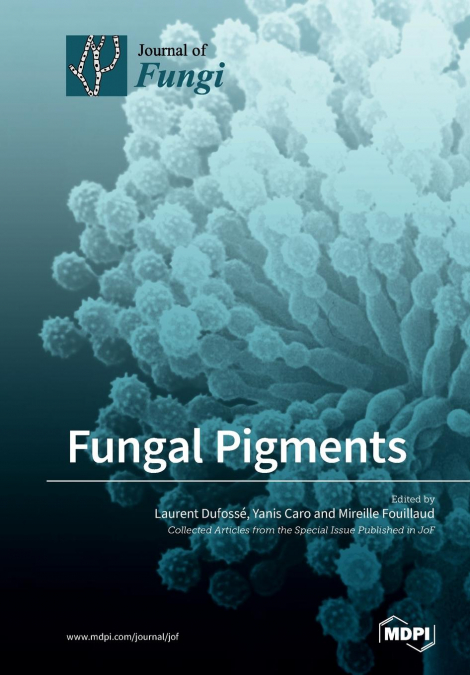
  • Fungal Pigments
    With the impact of globalization in research trends, the search for healthier life styles, the increasing public demand for natural, organic, and ‘clean labelled’ products, as well as the growing global market for natural colorants in economically fast-growing countries all over the world, filamentous fungi started to be investigated as readily available sources of chemically d...
    Disponible

    43,80 €

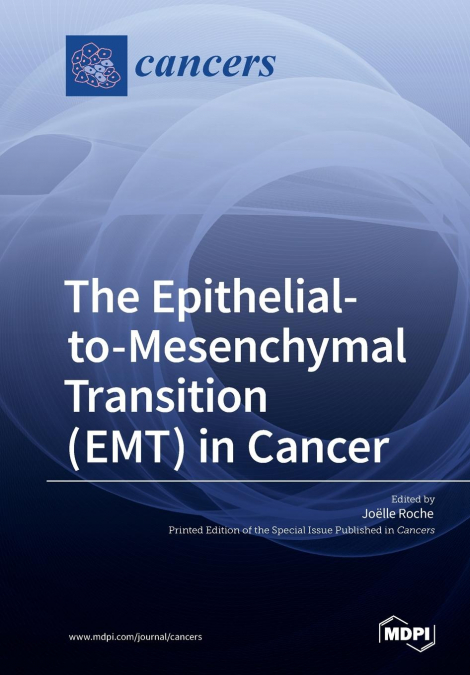
  • The Epithelialto- Mesenchymal Transition ( EMT ) in Cancer
    Joëlle Roche
    The epithelial-to-mesenchymal transition (EMT) is a highly dynamic process with multiple transitional states, by which epithelial cells can convert into a mesenchymal phenotype. This process involves loss of cellular adhesion and cellular polarity, and an improvement in migratory and invasive properties. It occurs during normal embryonic development, tissue regeneration, organ ...
    Disponible

    67,86 €

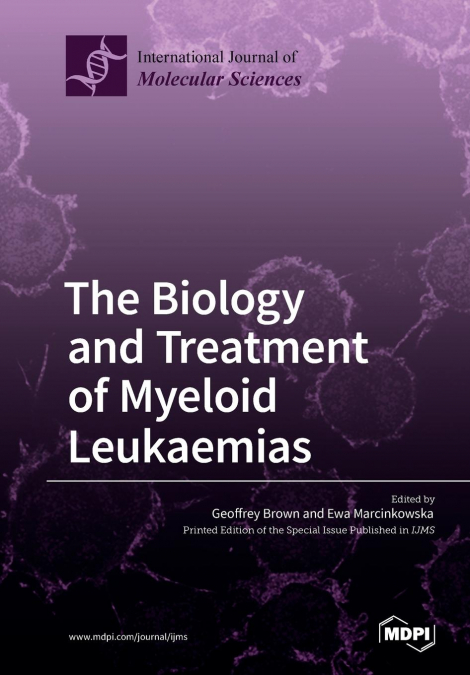
  • The Biology and Treatment of Myeloid Leukaemias
    There has been an observed decrease in the global mortality from cancer, mostly atributable to improved, particularly early, detection and prevention. For many carcinomas and leukaemias in adults, once the disease has reached a certain stage there are no therapies that are able to erradicate the cancer cells and cure patients. There has been progress in the treatment of acute m...
    Disponible

    51,85 €

Otros libros del autor

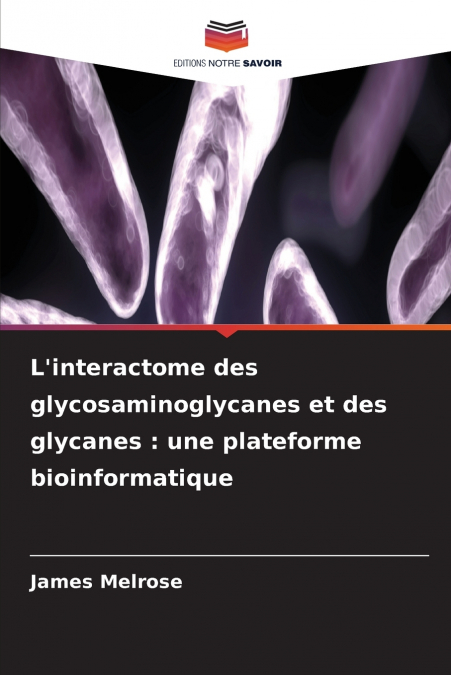
  • L’interactome des glycosaminoglycanes et des glycanes
    James Melrose
    Le glycocalyx, constitué de glycanes et de glycosaminoglycanes, qui entoure chaque cellule, offre un large éventail de motifs de reconnaissance qui régulent le comportement cellulaire grâce à diverses structures linéaires et ramifiées, modifiées par des groupes fonctionnels (sulfation, phosphorylation) à des positions variables sur les cycles. Il s’agit là d’un important réserv...
    Disponible

    72,14 €

  • Interaktoom glikozoaminoglikanów i glikanów
    James Melrose
    Glikokaliks złożony z glikanów i glikozoaminoglikanów otaczający każdą komórkę zawiera szeroki wachlarz motywów rozpoznawczych, które regulują zachowanie komórek poprzez różnorodne struktury liniowe i rozgałęzione, zmodyfikowane grupami funkcyjnymi (sulfatowanie, fosforylacja) w różnych pozycjach pierścienia. Stanowi to bogate w informacje repozytorium danych „rozpoznawczych', ...
    Disponible

    72,14 €

  • O Interactoma dos Glicosaminoglicanos/Glicanos
    James Melrose
    O glicocalixo de glicanos/glicosaminoglicanos que envolve cada célula fornece uma gama diversificada de motivos de reconhecimento que regulam o comportamento celular através de uma variedade de estruturas lineares e ramificadas, modificadas com grupos funcionais (sulfatação, fosforilação) em posições variáveis do anel. Isto representa um repositório significativo e rico em info...
    Disponible

    72,14 €

  • L’interactoma dei glicosaminoglicani/glicani
    James Melrose
    Il glicocalice, costituito da glicani e glicosaminoglicani, che circonda ogni cellula, fornisce una vasta gamma di motivi di riconoscimento che regolano il comportamento cellulare attraverso una varietà di strutture lineari e ramificate, modificate da gruppi funzionali (solfatazione, fosforilazione) in posizioni variabili dell’anello. Ciò rappresenta un importante archivio ricc...
    Disponible

    72,14 €