
Inicio > Lenguas > Lingüistica > Lingüística histórica y comparada > Dangerous Language - Esperanto and the Decline of Stalinism
Dangerous Language - Esperanto and the Decline of Stalinism

Dangerous Language - Esperanto and the Decline of Stalinism

Ulrich Lins / Humphrey Tonkin

35,89 €
IVA incluido
Disponible
Editorial:
Springer Nature B.V.
Año de edición:
2018
Materia
Lingüística histórica y comparada
ISBN:
9781349958016
35,89 €
IVA incluido
Disponible

Selecciona una librería:

  • Librería Samer Atenea
  • Librería Aciertas (Toledo)
  • Kálamo Books
  • Librería Perelló (Valencia)
  • Librería Elías (Asturias)
  • Donde los libros
  • Librería Kolima (Madrid)
  • Librería Proteo (Málaga)

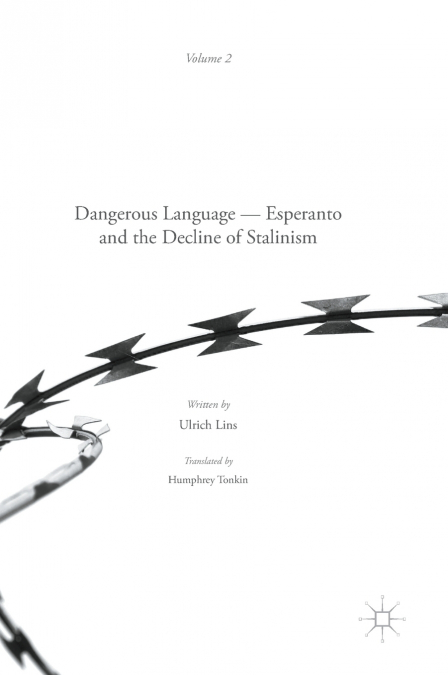
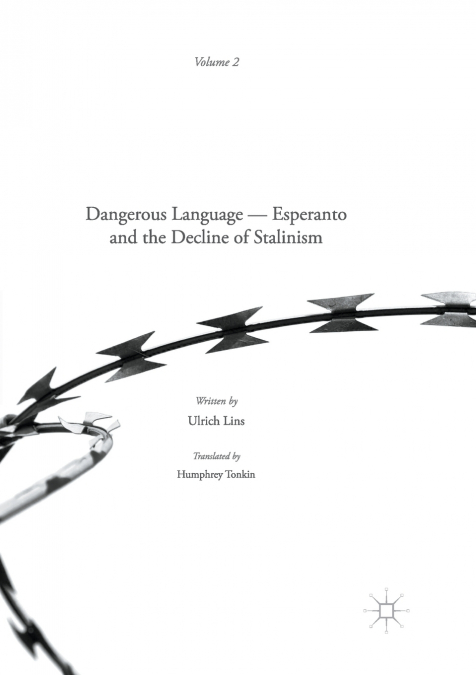
This is Volume 2 of Dangerous Language. This book examines the rise of the international language Esperanto, launched in 1887 as a proposed a solution to national conflicts and a path to a more tolerant world. The chapters in this volume examine the position of Esperanto in Eastern Europe during the Cold War; in particular it explores Stalin’s final years and the gradual re-emergence of the Esperanto movement. At first, its revival was limited to the satellite countries, especially Bulgaria and Poland, but, with Stalinism’s gradual retreat, Esperanto organizations reappeared in most East European countries and eventually in the Soviet Union itself. The progress was uneven, and its details reveal the stresses and strains that became apparent as the solidarity of the Soviet bloc declined. This book will appeal to a wide readership, including linguists, historians, political scientists and others interested in the history of the twentieth century from the unusual perspective of language. This volume is complemented by the sister volume Dangerous Language - Esperanto under Hitler and Stalin which offers a concentration on the creation and early emergence of Esperanto as an international language.
Artículos relacionados

  • The Language of Separation - Nationalism’s Impact on Linguistic Diversity
    PS Publishing
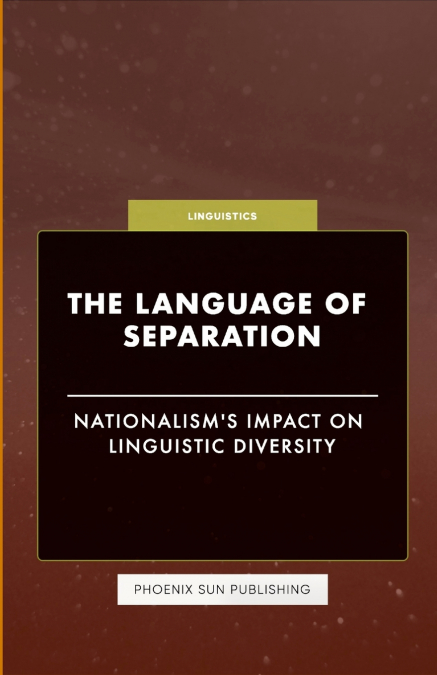
    'The Language of Separation' delves into the intricate relationship between nationalism and linguistic diversity. Exploring the impact of nationalist ideologies on language policies and practices, this book examines how notions of nationhood influence linguistic identity and representation. Through compelling analysis , it sheds light on the complexities of language politics an...
    Disponible

    14,22 €

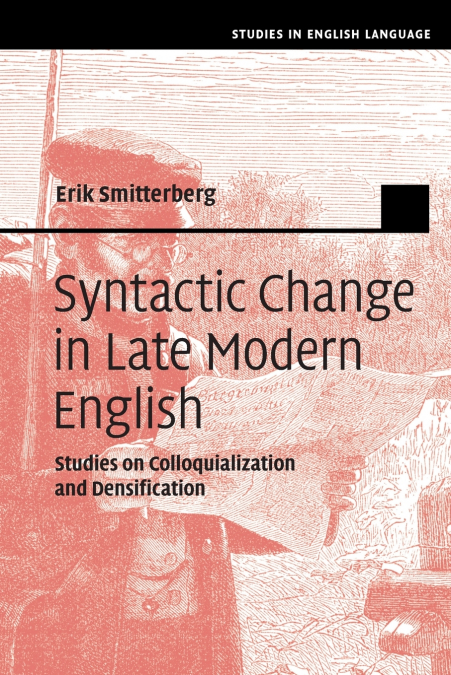
  • Syntactic Change in Late Modern English
    Erik Smitterberg
    ...
    Disponible

    38,10 €

  • Third Factors in Language Variation and Change
    Elly Van Gelderen
    ...
    Disponible

    35,80 €

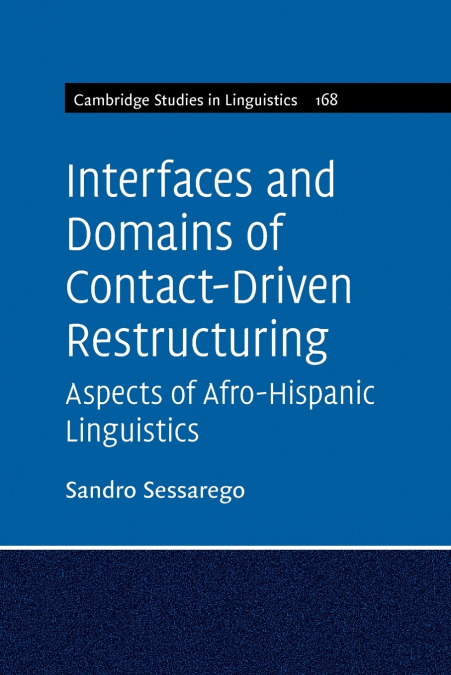
  • Interfaces and Domains of Contact-Driven Restructuring
    Sandro Sessarego
    ...
    Disponible

    36,03 €

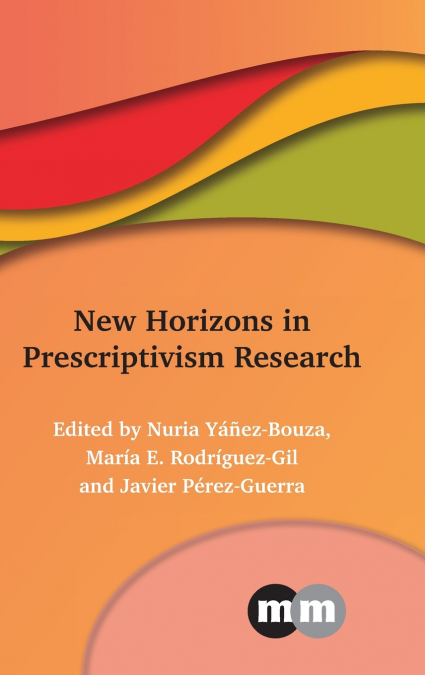
  • New Horizons in Prescriptivism Research
    This book investigates the connections between evaluative judgements on language and the larger social, cultural, and political issues that shed light on the practice of prescriptivism. The chapters cover three main areas: language, which represents the traditional roots of the study of linguistic norms in authoritative (historical) manuals and judgemental attitudes to language...
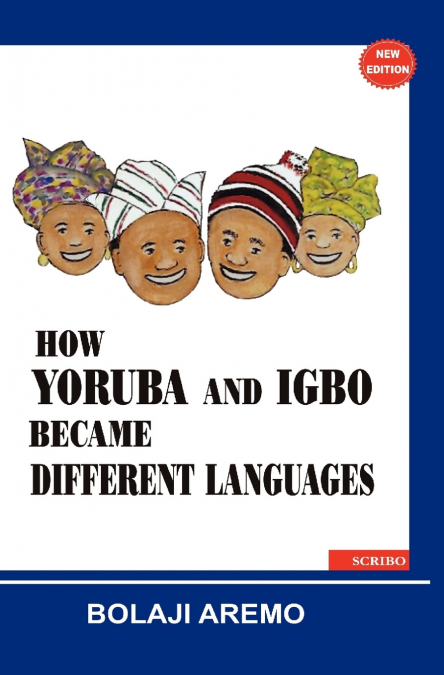
  • How Yoruba and Igbo Became Different Languages
    Bolaji Aremo
    The main objective of this study is to identify examples of genetically related Igbo and Yoruba words that might serve as further evidence in support of some linguists’ claim that the two languages developed from the same parent language. The author is a retired head of the Department of English at Obafemi Awolowo University, Nigeria. ...
    Disponible

    53,75 €

Otros libros del autor

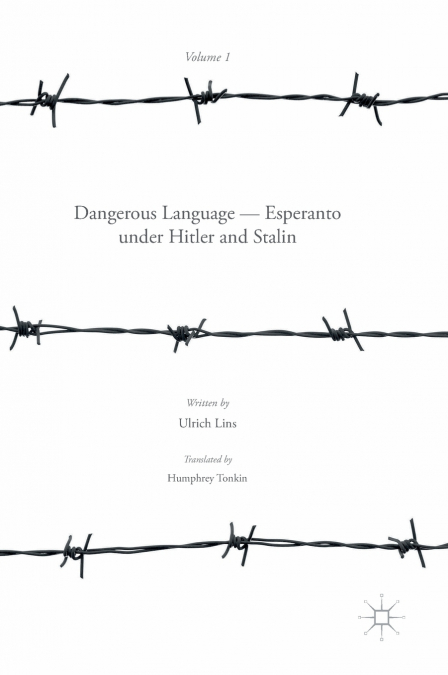
  • Dangerous Language - Esperanto under Hitler and Stalin
    Ulrich Lins / Humphrey Tonkin
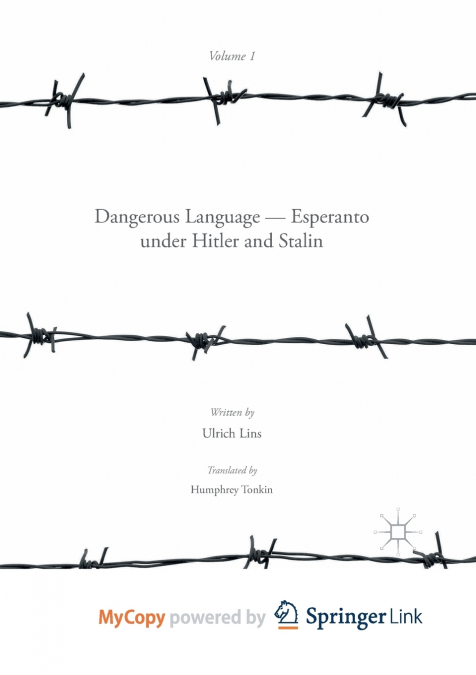
    This is Volume 1 of Dangerous Language. This book examines the rise of the international language Esperanto, launched in 1887 as a proposed solution to national conflicts and a path to a more tolerant world. The chapters in this volume chart the emergence of Esperanto as an answer to a widespread democratic desire for direct person-to-person international communication regardle...
    Disponible

    146,08 €

  • Dangerous Language - Esperanto under Hitler and Stalin
    Ulrich Lins / Humphrey Tonkin
    This is Volume 1 of Dangerous Language. This book examines the rise of the international language Esperanto, launched in 1887 as a proposed solution to national conflicts and a path to a more tolerant world. The chapters in this volume chart the emergence of Esperanto as an answer to a widespread democratic desire for direct person-to-person international communication regardle...
  • Dangerous Language - Esperanto and the Decline of Stalinism
    Ulrich Lins / Humphrey Tonkin
    This is Volume 2 of Dangerous Language. This book examines the rise of the international language Esperanto, launched in 1887 as a proposed a solution to national conflicts and a path to a more tolerant world. The chapters in this volume examine the position of Esperanto in Eastern Europe during the Cold War; in particular it explores Stalin’s final years and the gradual re-eme...
  • Dangerous Language - Esperanto under Hitler and Stalin
    Ulrich Lins / Humphrey Tonkin
    This is Volume 1 of Dangerous Language. This book examines the rise of the international language Esperanto, launched in 1887 as a proposed solution to national conflicts and a path to a more tolerant world. The chapters in this volume chart the emergence of Esperanto as an answer to a widespread democratic desire for direct person-to-person international communication regardle...
    Disponible

    47,91 €