 Librería Samer Atenea
 Librería Aciertas (Toledo)
 Kálamo Books
 Librería Perelló (Valencia)
 Librería Elías (Asturias)
 Donde los libros
 Librería Kolima (Madrid)
 Librería Proteo (Málaga)
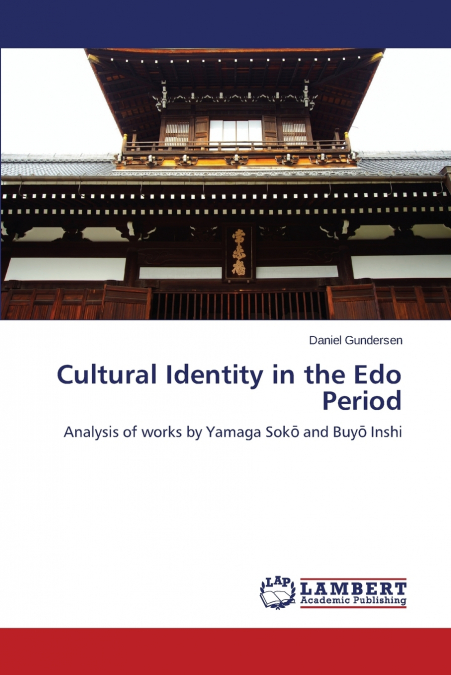
In the Edo period, people who started to question what it meant to be Japanese increased. This kind of cultural identity can be seen in thoughts on Japan as Shinkoku (Divine Land), Kōkoku (Imperial Country), Bukoku (Martial Country). All three emphasised what made Japan special compared to other countries. In this book, I compare Shinkoku, Kōkoku, and Bukoku thoughts and show how they relate to each other, and what similarities and differences they have. To do this I analyse two texts, Chūchō jijitsu (Actual facts about the Central realm) by Yamaga Sokō, and Seji kenbunroku (A witness account of matters in the world) by Buyō Inshi. The former contains typical elements from Kōkoku thought, and the latter presents views that are typical of Bukoku thought. The common understanding has been that the idea of Japan as Bukoku emerged early in the Edo period and was later weakened as a result of the increasing popularity of Kōkoku. However, the two texts show Kōkoku in a time where Bukoku thought was more common, and vice versa. This implies that there were several intellectual layers differing from what has been accepted as the mainstream in the Edo period history of ideas.