Creating the Global Classroom

Creating the Global Classroom

Laurence Peters

83,51 €
IVA incluido
Disponible
Editorial:
Taylor & Francis Ltd
Año de edición:
2022
Materia
Educación pedagogía
ISBN:
9780367643133
83,51 €
IVA incluido
Disponible

Selecciona una librería:

  • Librería Samer Atenea
  • Librería Aciertas (Toledo)
  • Kálamo Books
  • Librería Perelló (Valencia)
  • Librería Elías (Asturias)
  • Donde los libros
  • Librería Kolima (Madrid)
  • Librería Proteo (Málaga)

The book examines how to begin to think like a global educator first by examining how our own histories and experiences have formed our own cultural and professional identities and second how the varied frames by which global education can be understood - pedagogical, ideological and cosmopolitan - have shaped the field. Laurence Peters connects theory and practice about global education relevant to cultivating global awareness in primary and secondary students. Rather than seeing global education as a special field separate from the other disciplines the author encourages integration of global perspectives into everything we do. Showcasing how global awareness is a developmental issue, dependent upon the student’s ability to step outside of their own place-based comfort zone, this volume lays out a roadmap of major challenges and issues around instilling this awareness in students.This book connects theory and practice about global education relevant to cultivating global awareness in primary and secondary students. From this foundation, the book engages with the challenge of integrating global perspectives within a crowded curriculum. By convincing students and teachers alike of global education’s centrality, thinking globally becomes an integral component of learning across subject areas and grade levels, and this work encourages students to exercise empathy for the other and to develop critical skills to see through media distortions and ’fake news’ so they can better resist the tendency of politicians in our increasingly multicultural countries to divide people along racial and ethnic lines.
Artículos relacionados

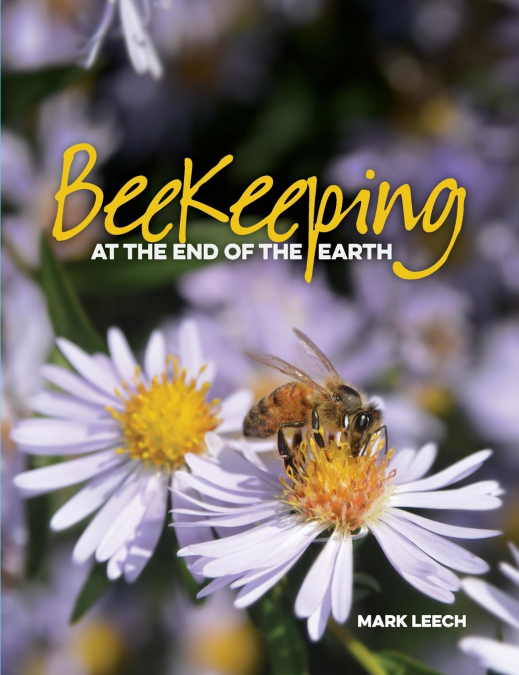
  • Beekeeping At The End Of The Earth
    Mark David Leech
    Beekeeping at the End of the Earth, an essential read for learning about beekeeping in a cool temperate climate with a focus on Tasmania our island home.  One hundred beekeepers one hundred different ways to keep bees.Beekeeping At The End Of The Earth is a practical insight into cool climate beekeeping with a focus on Tasmania, our island home.Richly illustrated with unique di...
    Disponible

    45,16 €

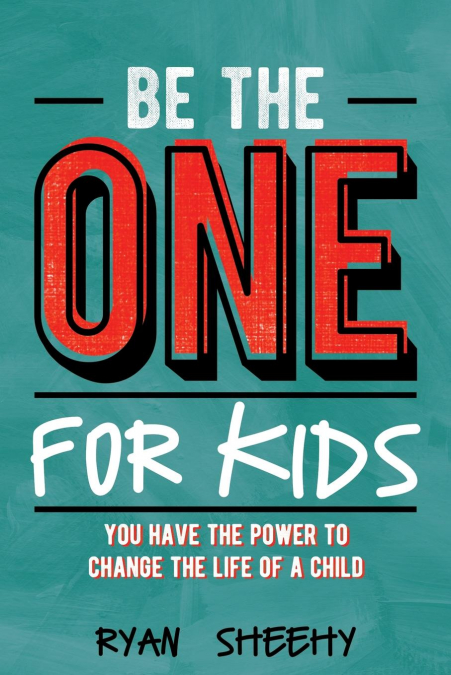
  • Be the One for Kids
    Ryan Sheehy
    One person can make a difference.That person can be you. “I want to show others that one person can make the difference in a child’s life. I want all educators, parents, coaches, and everyone in between to know they have power to Be the One for Kids.” —Ryan Sheehy If you ever feel like you’re all alone or think that no one gets you, just imagine how your students feel. Kids wan...
    Disponible

    27,99 €

  • Handbook of Research on E-Learning Standards and Interoperability
    As the e-learning industry continues to expand and the methods and tools necessary to create and maintain content and infrastructure applications become more complicated, there is an inherent need for these applications to interoperate and exchange data in order to better support the needs of learners and educators. Handbook of Research on E-Learning Standards and Interoperabil...
  • Teaching in the Knowledge Society
    Antonio Cartelli
    ...
  • Enhancing Learning Through Human Computer Interaction
    Elspeth McKay
    ...
  • Learning Objects for Instruction
    Pamela Taylor Northrup
    ...

Otros libros del autor

  • Creating the Global Classroom
    Laurence Peters
    The book examines how to begin to think like a global educator first by examining how our own histories and experiences have formed our own cultural and professional identities and second how the varied frames by which global education can be understood, pedagogical, ideological and cosmopolitan have shaped the field. ...
  • The United Nations
    Laurence Peters
    Most popular histories see the UN as a 20th century invention created in the shadow of the Second World War, but the roots of the international body can be traced back to much earlier sources. The UN is based on at least two large ethical beliefs, that peace is better than war and that all human beings have equal rights. Both beliefs are enshrined in its two founding documents,...