 Librería Samer Atenea
 Kálamo Books
 Librería Elías (Asturias)
 Librería Kolima (Madrid)
 Librería Proteo (Málaga)
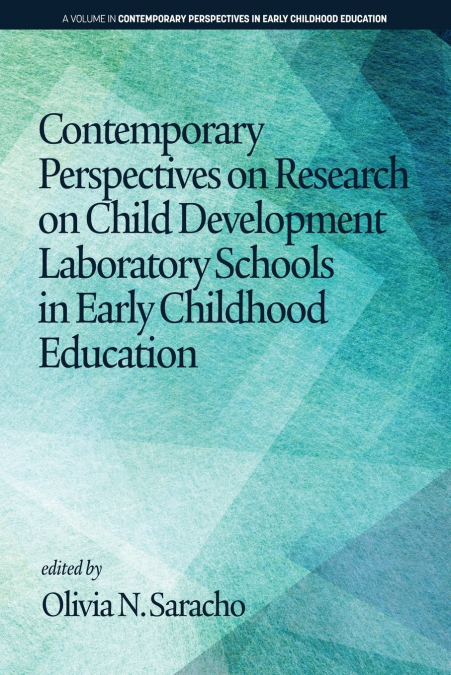
Child development “laboratory schools are dedicated to research-based instruction and furthering innovation in education. Many of these schools are connected to universities, where students are able to benefit from university resources and best practices” (Khan, 2014). They have been in existence on university campuses for centuries in the United States. The earliest colonial colleges (e.g., Harvard, Yale, William and Mary, University of Pennsylvania) administered Latin schools or departments to prepare students for college (Good & Teller, 1973). Rutgers Preparatory School was founded in 1768 and was linked to the university until the 1950s (Sperduto, 1967). During the course of time, the laboratory schools have changed to meet the needs of the teaching professionals and have frequently guided the instructional methods to improve the science and art of teaching [International Association of Laboratory Schools (IALS), 2018]. They have also changed throughout the years from part-day, part-time programs (McBride, 1996, Myers & Palmer, 2017) to full-day child care, some of which is inclusive of care offered through student service funds (Keyes, 1984; Shirah, 1988).Throughout the previous century, college and university institutions have established child development laboratory schools. In the early 1900s, they were initially considered to be sites for the recent discipline of child study but their purposes have progressed gradually. They also have assumed a fundamental function in promoting teaching, research, and service (such as outreach/engagement practice) in child development and early childhood education. However, a lot of them had to struggle for their survival when economic periods turned out to be problematic. Several extended operating programs were discontinued (Barbour & McBride, 2017).In 1894 John Dewey founded the University of Chicago Laboratory School. His laboratory school is unquestionably the most well-known of experimental schools. It was used to research, develop, and confirm innovative theories and principles of child development and education. Later at the beginning of the early 1900s, exemplary schools were developed as important centers for the preparation of teachers. Dewey’s laboratory school and the preparation of interns in a hospital were used as a model for laboratory schools to focus on methodical research, dual faculty university appointments, and the preparation of preservice teachers. During the initial half of the 20th century, laboratory schools increased in colleges and universities, especially between 1920 and 1940. University-based child development laboratory programs assumed a critical responsibility in contributing to the knowledge base on child development and early childhood education as well as the professional development of early childhood educators. This concept of the child development laboratory schools has heavily influenced modern views. Researchers and educators need to understand the current sources based on theoretical frameworks that contribute to the purposes of the child development laboratory schools. The contents of the volume reflect the major shifts in the views of early childhood researchers and educators in relation to the research on child development laboratory schools, the role of child development laboratory programs in early childhood education, and their relationship to theory, research, and practice. The Chapters in this special volume reviews and critically analyzes the literature on several aspects of the child development laboratory schools...