Computational Toxicology

Computational Toxicology


234,14 €
IVA incluido
Consulta disponibilidad
Editorial:
Springer Nature B.V.
Año de edición:
2012
Materia
Farmacología
ISBN:
9781627030588

Selecciona una librería:

  • Librería Samer Atenea
  • Librería Aciertas (Toledo)
  • Kálamo Books
  • Librería Perelló (Valencia)
  • Librería Elías (Asturias)
  • Donde los libros
  • Librería Kolima (Madrid)
  • Librería Proteo (Málaga)

Rapid advances in computer science, biology, chemistry, and other disciplines are enabling powerful new computational tools and models for toxicology and pharmacology. These computational tools hold tremendous promise for advancing applied and basic science, from streamlining drug efficacy and safety testing, to increasing the efficiency and effectiveness of risk assessment for environmental chemicals. Computational Toxicology was conceived to provide both experienced and new biomedical and quantitative scientists with essential background, context, examples, useful tips, and an overview of current developments in the field. This two-volume set serves as a resource to help introduce and guide readers in the development and practice of these tools to solve problems and perform analyses in this area.Divided into six sections, Volume II covers a wide array of methodologies and topics. The volume begins by exploring the critical area of predicting toxicological and pharmacological endpoints, as well as approaches used in the analysis of gene, signaling, regulatory, and metabolic networks. The next section focuses on diagnostic and prognostic molecular indicators (biomarkers), followed by the application of modeling in the context of government regulatory agencies. Systems toxicology approaches are also introduced. The volume closes with primers and background on some of the key mathematical and statistical methods covered earlier, as well as a list of other resources. Written in a format consistent with the successful Methods in Molecular Biology™ series where possible, chapters include introductions to their respective topics, lists of the necessary materials and software tools used, methods, and notes on troubleshooting and avoiding known pitfalls.Authoritative and easily accessible, Computational Toxicology will allow motivated readers to participate in this exciting field and undertake a diversity of realistic problems of interest.
Artículos relacionados

  • Identification and Characterization of Antimicrobial Peptides with Therapeutic Potential
    Guangshun Wang
    Antimicrobial peptides are key defense molecules adopted by all life forms to prevent infection. They also have other beneficial effects such as boosting immune response, anticancer, and wound healing. The antiviral effects of antimicrobial peptides have laid the foundations for developing new agents to combat seasonal Flu, HIV-1, RSV, Zika, and Ebola. This eBook is constructed...
    Disponible

    67,96 €

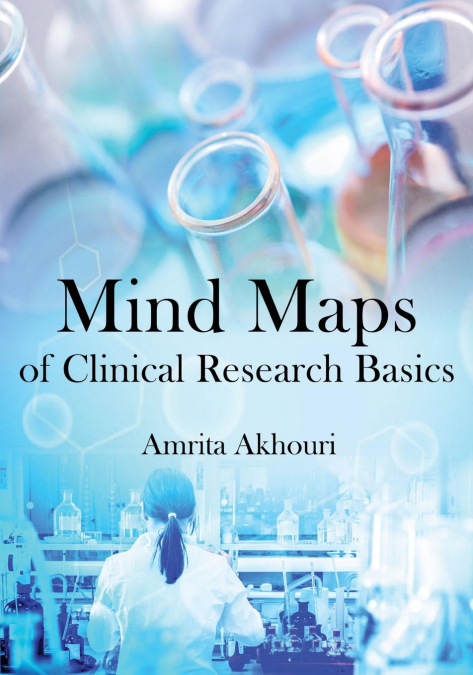
  • Mind Maps of Clinical Research Basics
    Amrita Akhouri
    The concepts of Clinical Research have been depicted through mind maps in this book which makes the subject fundamentals very easy to understand and convenient to revise. The chapter on career in clinical research gives an insight into the main job roles currently known in this field along with the focus on how to build preparedness for job interviews. Hence, this book will be ...
    Disponible

    25,42 €

  • Marine Polysaccharides Volume 2
    Paola Laurienzo
    The field of marine polysaccharides is constantly evolving, due to progress in the discovery and production of new marine polysaccharides. Seaweed remains the most abundant source of polysaccharides, but recent advances in biotechnology have allowed the production of large quantities of polysaccharides from a variety of micro-algae, by controlling growth conditions and tailorin...
    Disponible

    75,84 €

  • Marine Polysaccharides Volume 3
    Paola Laurienzo
    The field of marine polysaccharides is constantly evolving, due to progress in the discovery and production of new marine polysaccharides. Seaweed remains the most abundant source of polysaccharides, but recent advances in biotechnology have allowed the production of large quantities of polysaccharides from a variety of micro-algae, by controlling growth conditions and tailorin...
    Disponible

    116,84 €

  • Herbs Used for Hair Growth
    Devi Raman / V. Varalakshmi
    Natural medicine has many benefits, from nourishing the scalp to stimulating hair follicles. Some popular herbs that aid hair growth include rosemary, ginseng, aloe vera, and fenugreek. Each plant has unique properties that help strengthen hair, prevent breakage, and promote growth, healthy growth. Of course, many herbs are popular for their beneficial effects in promoting hair...
    Disponible

    54,32 €

  • Novel Anti-proliferative Agents
    Valentina Onnis
    This Special Issue of Pharmaceuticals presented the recent findings on antiproliferative compounds and highlighted possible routes to discover new drugs used to treat cancer. In this Special Issue, different studies on kinase and methyltransferase-like proteins 3 inhibitors and compounds capable of altering the tumor microenvironment or acting at the mitotic stage of the cell c...