
Inicio > > Ciencias de la computación > Inteligencia artificial > Computational Modeling of Human Language Acquisition
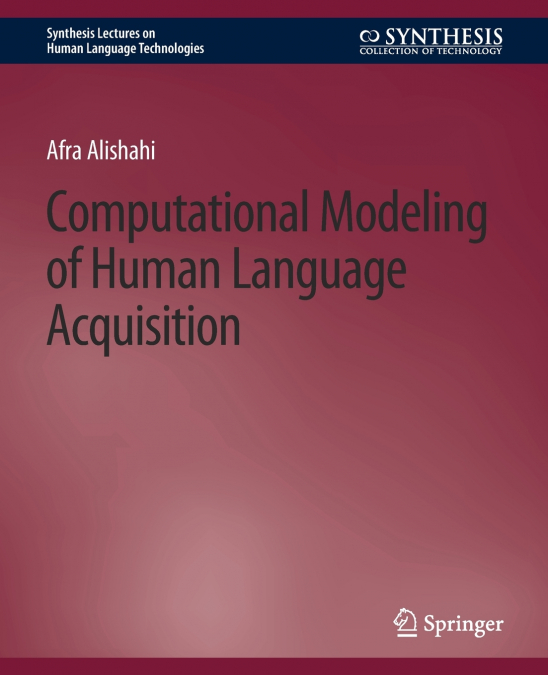
Computational Modeling of Human Language Acquisition

Computational Modeling of Human Language Acquisition

Afra Alishahi

50,43 €
IVA incluido
Disponible
Editorial:
Springer Nature B.V.
Año de edición:
2010
Materia
Inteligencia artificial
ISBN:
9783031032684
50,43 €
IVA incluido
Disponible

Selecciona una librería:

  • Librería Samer Atenea
  • Librería Aciertas (Toledo)
  • Kálamo Books
  • Librería Perelló (Valencia)
  • Librería Elías (Asturias)
  • Donde los libros
  • Librería Kolima (Madrid)
  • Librería Proteo (Málaga)

Human language acquisition has been studied for centuries, but using computational modeling for such studies is a relatively recent trend. However, computational approaches to language learning have become increasingly popular, mainly due to advances in developing machine learning techniques, and the availability of vast collections of experimental data on child language learning and child-adult interaction. Many of the existing computational models attempt to study the complex task of learning a language under cognitive plausibility criteria (such as memory and processing limitations that humans face), and to explain the developmental stages observed in children. By simulating the process of child language learning, computational models can show us which linguistic representations are learnable from the input that children have access to, and which mechanisms yield the same patterns of behaviour that children exhibit during this process. In doing so, computational modeling provides insight into the plausible mechanisms involved in human language acquisition, and inspires the development of better language models and techniques. This book provides an overview of the main research questions in the field of human language acquisition. It reviews the most commonly used computational frameworks, methodologies and resources for modeling child language learning, and the evaluation techniques used for assessing these computational models. The book is aimed at cognitive scientists who want to become familiar with the available computational methods for investigating problems related to human language acquisition, as well as computational linguists who are interested in applying their skills to the study of child language acquisition. Different aspects of language learning are discussed in separate chapters, including the acquisition of the individual words, the general regularities which govern word and sentence form, and the associations between form and meaning. For eachof these aspects, the challenges of the task are discussed and the relevant empirical findings on children are summarized. Furthermore, the existing computational models that attempt to simulate the task under study are reviewed, and a number of case studies are presented. Table of Contents: Overview / Computational Models of Language Learning / Learning Words / Putting Words Together / Form--Meaning Associations / Final Thoughts
Artículos relacionados

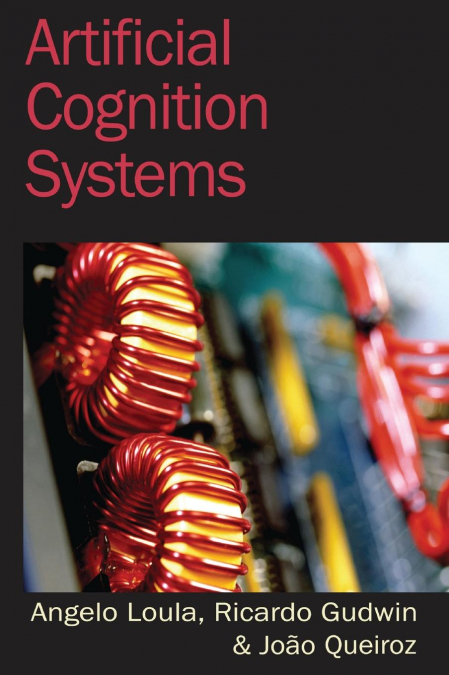
  • Artificial Cognition Systems
    ...
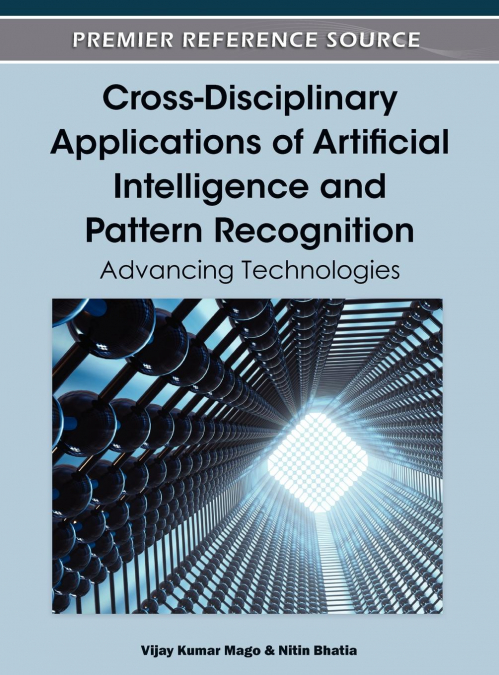
  • Cross-Disciplinary Applications of Artificial Intelligence and Pattern Recognition
    Vijay Kumar Mago
    The need for intelligent machines in areas such as medical diagnostics, biometric security systems, and image processing motivates researchers to develop and explore new techniques, algorithms, and applications in this evolving field. Cross-Disciplinary Applications of Artificial Intelligence and Pattern Recognition: Advancing Technologies provides a common platform for researc...
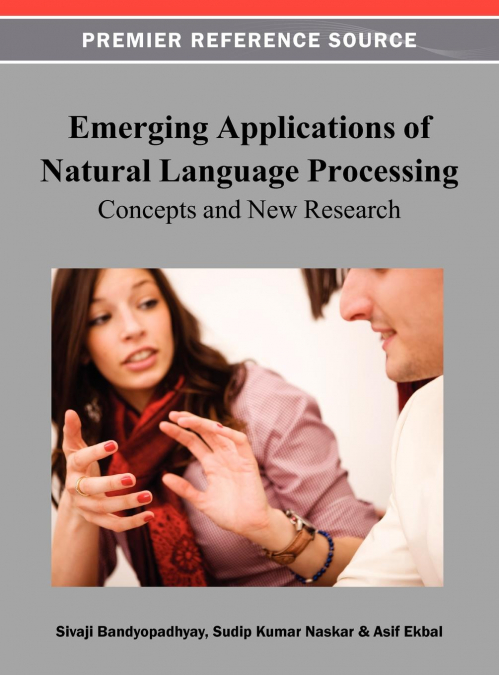
  • Emerging Applications of Natural Language Processing
    Over the last few years, the area of Natural Language Processing has drastically grown in recognition, not only within the research and development community, but also with industry professionals. As NLP continues to be discussed and researched, certain areas continue to grow and mature. As a result, the need for advanced research and information is in high demand. Emerging App...
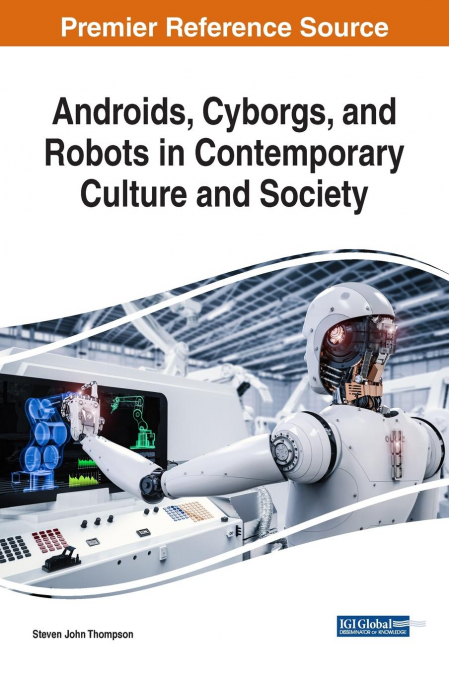
  • Androids, Cyborgs, and Robots in Contemporary Culture and Society
    Steven John Thompson
    Mankind’s dependence on artificial intelligence and robotics is increasing rapidly as technology becomes more advanced. Finding a way to seamlessly intertwine these two worlds will help boost productivity in society and aid in a variety of ways in modern civilization. Androids, Cyborgs, and Robots in Contemporary Culture and Society is an essential scholarly resource that delve...
  • Deep Learning Innovations and Their Convergence With Big Data
    The expansion of digital data has transformed various sectors of business such as healthcare, industrial manufacturing, and transportation. A new way of solving business problems has emerged through the use of machine learning techniques in conjunction with big data analytics. Deep Learning Innovations and Their Convergence With Big Data is a pivotal reference for the latest sc...
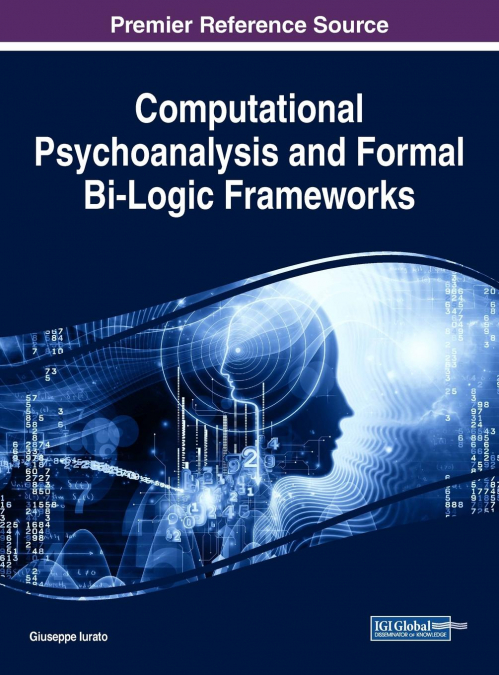
  • Computational Psychoanalysis and Formal Bi-Logic Frameworks
    Giuseppe Iurato
    Computational psychoanalysis is a new field stemming from Freudian psychoanalysis. The new area aims to understand the primary formal structures and running mechanisms of the unconscious while implementing them into computer sciences. Computational Psychoanalysis and Formal Bi-Logic Frameworks provides emerging information on this new field which uses psychoanalysis and the unc...

Otros libros del autor

  • Computational Modeling of Human Language Acquisition
    Afra Alishahi
    Human language acquisition has been studied for centuries, but using computational modeling for such studies is a relatively recent trend. However, computational approaches to language learning have become increasingly popular, mainly due to advances in developing machine learning techniques, and the availability of vast collections of experimental data on child language learni...
    Disponible

    51,70 €