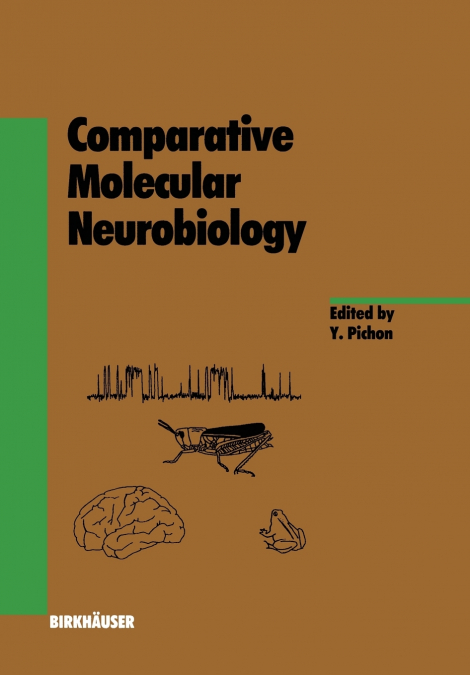

Comparative Molecular Neurobiology

Comparative Molecular Neurobiology

Y. Pichon

65,55 €
IVA incluido
Disponible
Editorial:
Springer Nature B.V.
Año de edición:
2012
Materia
Zoología y ciencias animales
ISBN:
9783034872676
65,55 €
IVA incluido
Disponible

Selecciona una librería:

  • Librería Samer Atenea
  • Librería Aciertas (Toledo)
  • Kálamo Books
  • Librería Perelló (Valencia)
  • Librería Elías (Asturias)
  • Donde los libros
  • Librería Kolima (Madrid)
  • Librería Proteo (Málaga)

It is generally accepted that all living organisms present on earth derive from one single primordial cell born several billion years ago. One important step in the evolution occurred some 1. 5 billion years ago with the transition from small procaryote cells with relatively simple internal structures such as bacteria to larger and more compleX: eucaryotic cells such as those found in higher animals and plants. Large membrane proteins which enable the cells to communicate appeared early in evolution, and it is believed that the nerve membrane receptors and ionic channels which are observed today in both invertebrate and vertebrate species derive from a common ancestor. Basically, the three identified superfamilies, 1) ionotropic receptors (i. e. receptors containing an integral ionic channel), 2) metabotropic receptors (receptors coupled to G­ proteins) and 3) voltage-dependent ionic channels (Na+, K + and Ca2+ channels) were already well differentiated when vertebrates separated from invertebrate species. The large number of subtypes which are observed in each superfamily may be of more recent evolutionary origin. To understand how this happened, the best approach was to compare the sequences and the properties of the receptors and ionic channels in species sufficiently distant in the evolutionary tree. In the present volume, many of the best specialists in the field of comparative molecular neurobiology, several of them working on vertebrate and invertebrate species, have accepted to report their most recent findings.
Artículos relacionados

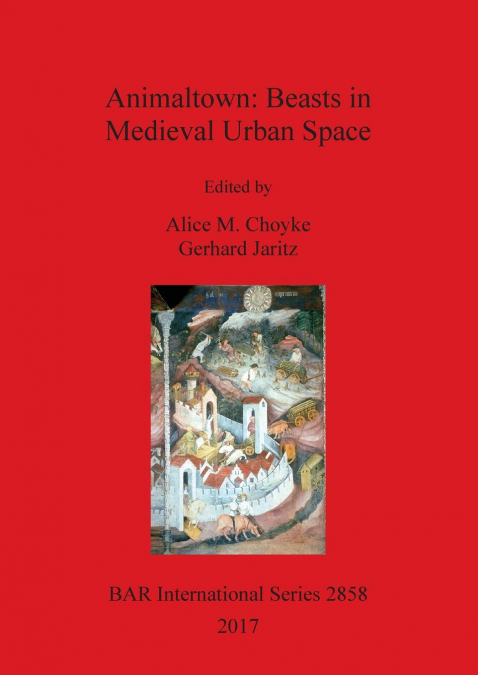
  • Animaltown
    Urban space constitutes a place where people and animals live together in close proximity with each other, creating changing landscapes of co-existence, conflict, mutual dependencies and exploitation. The medieval animals found in the articles of Animaltown: Beasts in Medieval Urban Space, appear in text and image, as well as archaeological find materials in the form of butcher...
    Disponible

    109,24 €

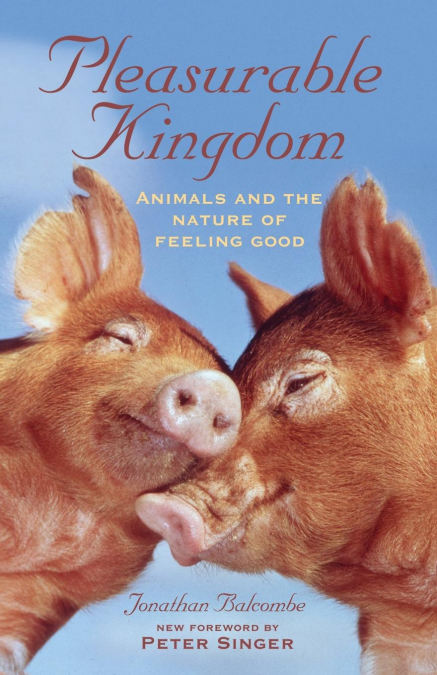
  • Pleasurable Kingdom
    Jonathan Balcombe
    Pleasurable Kingdom presents new evidence that animals--like humans--enjoy themselves. From birds to baboons, insects to iguanas, animals feel good thanks to play, sex, touch, food, anticipation, comfort, aesthetics, and more. Combining rigorous evidence, elegant argument and amusing anecdotes, leading animal behavior researcher Jonathan Balcombe shows that the possibility of p...
    Disponible

    18,96 €

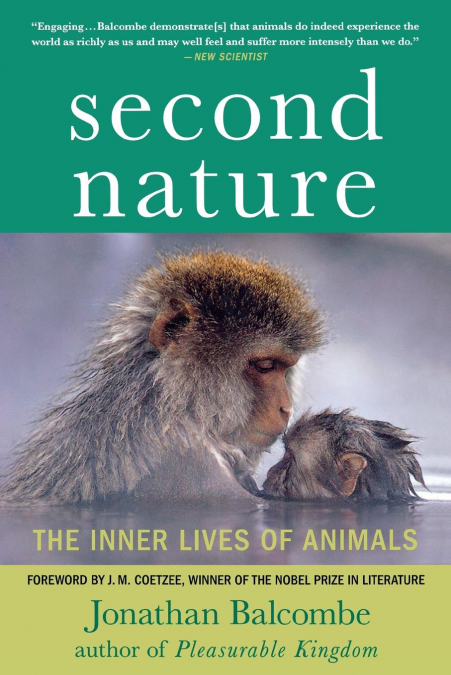
  • SECOND NATURE
    Jonathan Balcombe
    ...
    Disponible

    16,52 €

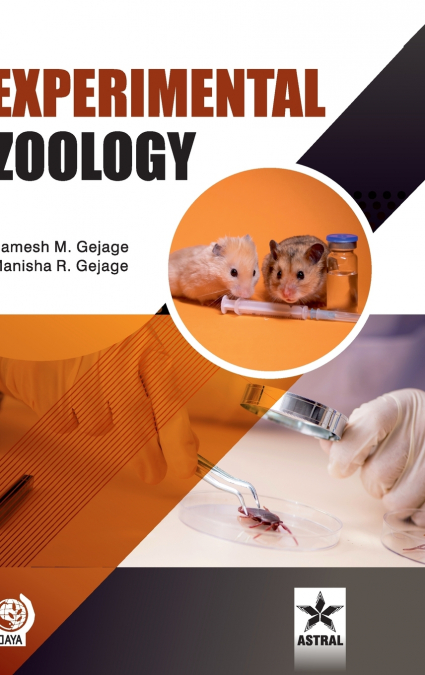
  • Experimental Zoology
    Manisha R Gejage / Ramesh M Gejage
    The goal of the book is to present the practical knowledge of Zoology. Animal diversity, venomous and non-venomous snakes, study of birds, brain of fowl and hyoid apparatus, sclerotic plates, pecten and collumella of fowl, scales of fishes, biochemical tests, activity of salivary amylase, estimation of total protein and lipid, DNA isolation and estimation of uric acid are given...
  • TOXICOLOGY
    M A SUBRAMANIAN
    In an era defined by burgeoning human populations, rampant industrialization, cutting-edge technological progress, and expanding urban landscapes, the integrity of our natural environment faces unprecedented challenges. The relentless march of progress has ushered in a flood of chemicals, seeping into the very fabric of our ecosystems and posing insidious threats to biological ...
    Disponible

    23,69 €

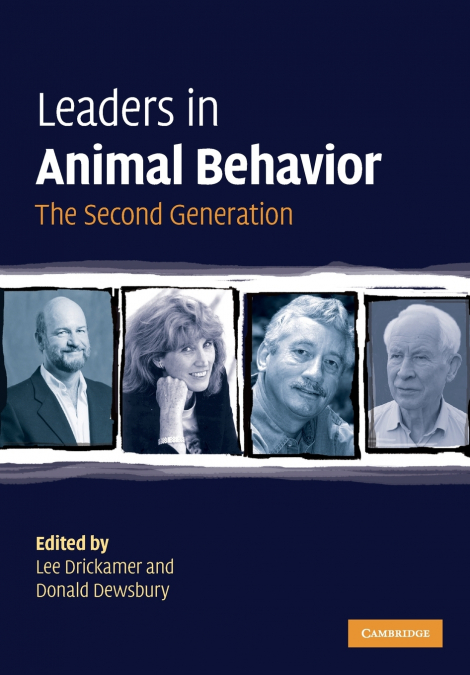
  • Leaders in Animal Behavior
    Donald Dewsbury / Lee Drickamer
    ...
    Disponible

    64,68 €