 Librería Samer Atenea
 Kálamo Books
 Librería Elías (Asturias)
 Librería Kolima (Madrid)
 Librería Proteo (Málaga)
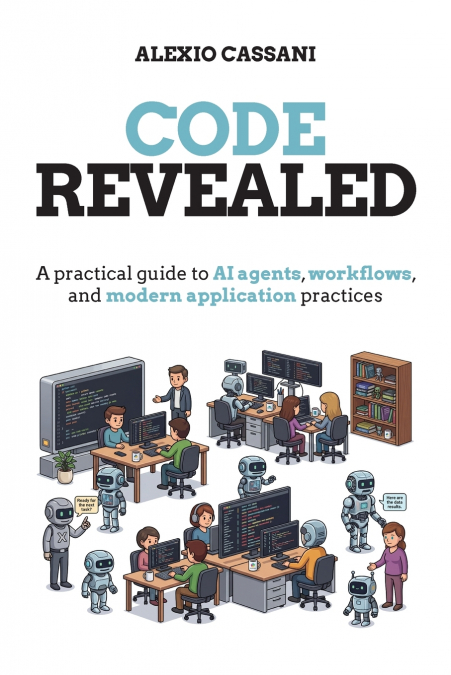
Bridge the gap between AI hype and software reality by learning how to evaluate agents, redesign team responsibilities, and introduce structured controls that improve delivery without sacrificing clarity, safety, or maintainability.Key Features:- Use RACM to match AI capabilities to SDLC tasks and supervision needs- Apply Execution Plans and Logbooks to make agent work visible and auditable- Set autonomy limits, guardrails, and review practices for safer adoptionBook Description:Code Revealed is a practical guide for teams learning to work with AI agents in real delivery environments. Rather than treating AI as a coding shortcut, it shows how to introduce it as a managed capability across the software lifecycle.It explains how agents differ from assistants, why evaluation matters when selecting tools, and how development changes when intent, supervision, and validation become more important than manual implementation.You will learn how to use frameworks such as RACM to assess capability, Context Engineering to improve reliability, and PAIP to introduce repeatable integration patterns. The book also explains why Execution Plans and Logbooks matter when delegating work to agents, giving teams a way to align before action and review what happened afterward.Beyond process, the book examines team redesign, new specialist roles, and the shift from directing people alone to orchestrating human and artificial contributors together.It also addresses difficult issues often overlooked in AI adoption, including code churn, weak oversight, security exposure, opaque decisions, and the long-term cost of unmanaged speed. The result is a practical roadmap for adopting AI with discipline, transparency, and measurable intent.What You Will Learn:- Distinguish agents from simpler AI coding assistants- Assess tool fit using capability and autonomy criteria- Structure prompts through richer Context Engineering- Use plans and logs to supervise non-trivial AI tasks- Design workflows for prototyping, refactoring, and QA- Prevent hidden risk from churn, bias, and hallucinations- Reorganize teams around emerging AI-native roles- Build skills for orchestration, review, and governanceWho this book is for:This book is for developers,, tech leads, architects, and engineering managers who are actively building and delivering software while adapting to AI-driven change. It is especially valuable for mid-level and senior developers working across web, backend, and platform systems who want to stay relevant as their role shifts from writing code to guiding and validating AI-generated work.Table of Contents- Understanding Tools: From Generative AI to AI Agents- The Impact on Daily Work: SDLC and the Technical Role- Reorganizing the Technical Team: Roles, Structures, and Tooling- Collaborate Effectively with and Through AI- Integration Patterns and Operational Workflows- Ensuring Quality, Safety, and Responsible Use- Developing the Skills of the Future