Climate Change Policy after Kyoto

Climate Change Policy after Kyoto

Peter J. Wilcoxen / Warwick J. McKibbin

37,35 €
IVA incluido
Disponible
Editorial:
Bloomsbury Publishing plc
Año de edición:
2002
Materia
Política y protocolos medioambientales
ISBN:
9780815706076
37,35 €
IVA incluido
Disponible

Selecciona una librería:

  • Librería Samer Atenea
  • Librería Aciertas (Toledo)
  • Kálamo Books
  • Librería Perelló (Valencia)
  • Librería Elías (Asturias)
  • Donde los libros
  • Librería Kolima (Madrid)
  • Librería Proteo (Málaga)

'The Kyoto Protocol represents nearly a decade of international effort to reduce carbon emissions. While the treaty is the product of enormous international political effort, it has not been ratified by any major greenhouse emitter and it has been rejected by the United States. In this controversial new book, Warwick J. McKibbin and Peter Wilcoxen argue that the current approach of international negotiations on the Kyoto Protocol is going completely in the wrong direction. In Climate Change Policy after Kyoto, they attempt to steer the policy debate toward a realistic blueprint for effective policy. The authors believe that managing uncertainty—particularly the future costs of any plan—is key to realistic climate policy. They maintain that sustainable policy should meet four basic criteria: it should slow down carbon dioxide emissions where it is cost-effective to do so; compensate those who are hurt economically; require a high degree of consensus both domestically and internationally; and allow countries to enter the program easily and continue to participate even if they drop out of the agreement at certain times. The book summarizes the current state of knowledge about climate change and discusses the history of negotiations since 1992—in the process identifying the Kyoto Protocol as the wrong approach to the problem. It outlines important insights that economic theory offers for the design of climate policy, and uses those insights to develop a simple framework that will reduce greenhouse gas emissions while guaranteeing that short-run costs of compliance will not be excessive. The authors conclude by outlining a process by which international negotiations on climate control can proceed to an agreement that is both durable and feasible for all nations. '

Artículos relacionados

  • Mindmade Politics
    Manjana Milkoreit
    ...
    Disponible

    43,58 €

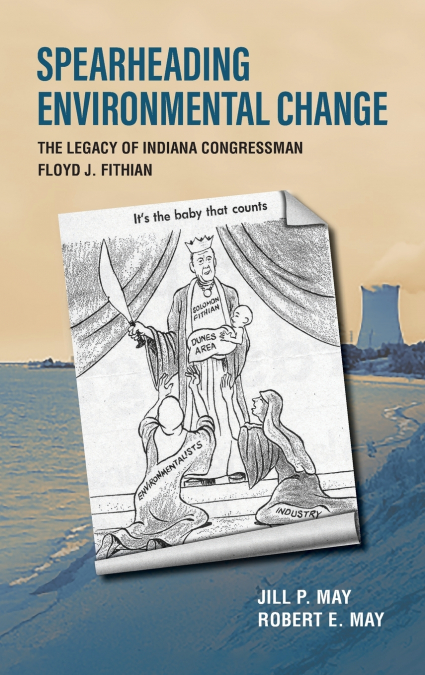
  • Spearheading Environmental Change
    Jill P. May / Robert E. May
    Spearheading Environmental Change: The Legacy of Indiana Congressman Floyd J. Fithian describes the life of a four-term United States congressman, focusing on his role in the emerging environmental movement in late twentieth-century America. Spearheading Environmental Change highlights Fithian’s legislative efforts regarding three water-related issues that profoundly concerne...
    Disponible

    44,47 €

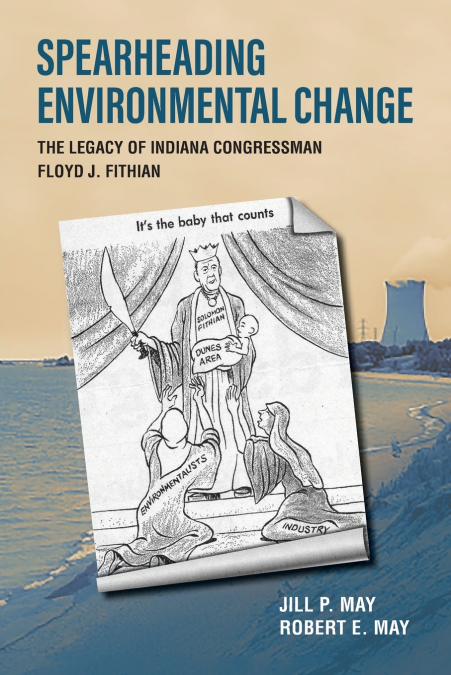
  • Spearheading Environmental Change
    Jill P. May / Robert E. May
    Spearheading Environmental Change: The Legacy of Indiana Congressman Floyd J. Fithian describes the life of a four-term United States congressman, focusing on his role in the emerging environmental movement in late twentieth-century America. Spearheading Environmental Change highlights Fithian’s legislative efforts regarding three water-related issues that profoundly concerne...
  • Water and the California Dream
    David Carle
    ...
    Disponible

    15,81 €

  • We Need People Power to Address a World in Peril
    Hardy Merriman
    In a world facing convergent crises--where authoritarianism spreads, climate change accelerates, and violent conflict surges--an urgent call echoes through these pages. Drawing insights from research and practice, this volume reveals the indispensable role of popular nonviolent movements--using tactics such as strikes, boycotts, protest, and other acts of noncooperation--to cou...
    Disponible

    8,70 €

  • The Role of Intermediaries in Inclusive Water and Sanitation Services for Informal Settlements in Asia and the Pacific
    Asian Development Bank
    In the Asia and Pacific region, accessing clean water and sanitation is a constant challenge for residents of informal settlements. Informal service providers, or intermediaries, have emerged in response to this significant essential service gap.This publication examines good practices particularly those involving intermediaries-social enterprises, the private sector, and nongo...
    Disponible

    36,99 €