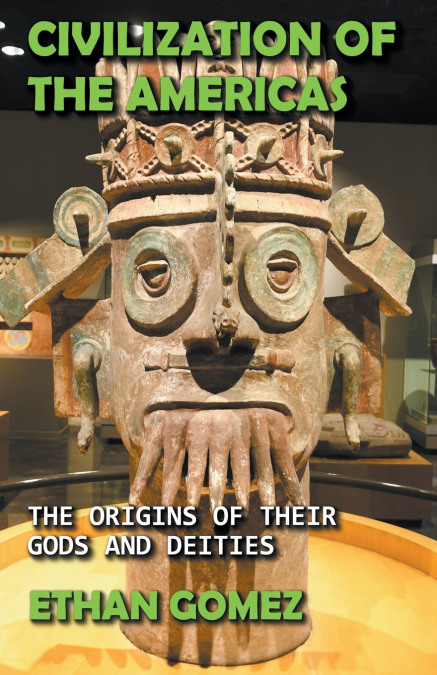

Civilization of the Americas

Civilization of the Americas

ETHAN GOMEZ

22,44 €
IVA incluido
Disponible
Editorial:
Draft2Digital
Año de edición:
2022
Materia
Historia de América
ISBN:
9798201032104
22,44 €
IVA incluido
Disponible

Selecciona una librería:

  • Librería Samer Atenea
  • Librería Aciertas (Toledo)
  • Kálamo Books
  • Librería Perelló (Valencia)
  • Librería Elías (Asturias)
  • Donde los libros
  • Librería Kolima (Madrid)
  • Librería Proteo (Málaga)

There is much more to Mesoamerica than the Aztec, Mayan, and Toltec civilizations. In fact, several different ancient Mesoamerican civilizations had their own gods and religious beliefs. These civilizations included the Olmec civilization, Zapotec civilization, Teotihuacan civilization, Maya civilization, Toltec civilization, and Aztec civilization.The Olmec civilization is the first known Mesoamerican civilization. The name Olmec comes from the Nahuatl word for rubber people, and they were pre-Columbian people living in what is now southern Mexico, in the modern-day states of Veracruz and Tabasco. The Olmecs are essential to history because they were the first Mesoamerican people to develop a writing system, use hieroglyphics, and construct significant stone monuments (such as pyramids).The calendar developed by the Olmecs was one of their most remarkable achievements. They based their calendar on 365 days divided into 18 months of 20 days each plus 5 extra days at the end of each year—so it was different from our current calendar! They also used zero as part of their number system, which is why we still use it today!The Zapotec civilization was in the Oaxaca Valley, Mexico. This Mesoamerican civilization was known for using the Mesoamerican writing system and art.The Zapotecs were one of the first civilizations in Mexico to develop a writing system. They used it to write on stone or pottery, but we don’t know what their language sounded like because no one left any written records about them or their lives, so all that remains is physical evidence, like pottery with pictures and hieroglyphs carved into it. This type of evidence is called epigraphic because it’s an inscription on something else (like a statue).The city of Teotihuacan was a center of trade and politics. It existed from about 300 BC until 600 AD when it was abandoned. The site has been a subject of archaeology since the 19th century; it is now an essential source of information on Mesoamerican civilization, among the most significant early cities in pre-Columbian America.

Artículos relacionados

  • Pan-Africanism and Education
    Kenneth J. King / Kenneth JKing
    This is an analysis of the complex links between Black America and Africa in the period of 1880 to 1945. It examines an extended white attempt to pattern politics and education in colonial Africa upon the example of the U.S. South. This export of United States race relations to Africa was resisted by Black intellectuals in the United States and many of the early nationalists in...
    Disponible

    24,60 €

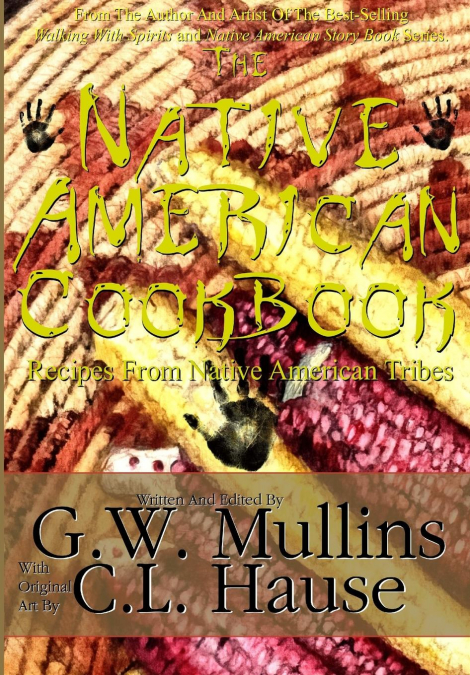
  • The Native American Cookbook Recipes From Native American Tribes
    G.W. Mullins
    Light Of The Moon Publishing along with Author G.W. Mullins and Illustrator / Artist C.L. Hause have joined together to explore Native American Indian Cooking.  More than just a cookbook, this Native American recipe collection offers a look into a forgotten past.  'The Native American Cookbook Recipes From Native American Tribes,' offers a large collection of recipes from and i...
    Disponible

    24,56 €

  • A Public Spirit
    George H. Atkinson
    George Henry Atkinson (1819-89) was a son of New England who arrived in the Oregon Territory in 1848, sent by the American Home Missionary Society. Although his commission from the Society specified that his work was to be ecclesiastical and educational, he took an approach to that assignment which went well beyond his mandate. Well-informed and energetic, he made an impact on ...
    Disponible

    10,45 €

  • North Carolina Women of the Confederacy
    Lucy London Anderson
    Long out of print, this volume of recollections, stories, and verse provides a glimpse of women's lives on the home front-and sometimes in the thick of battle-during the War between the States. Nearly fifty years after the American Civil War, Lucy Worth London Anderson (Mrs. John Huske Anderson) of Fayetteville, N.C., compiled one of the first memorial collections honoring the...
    Disponible

    17,20 €

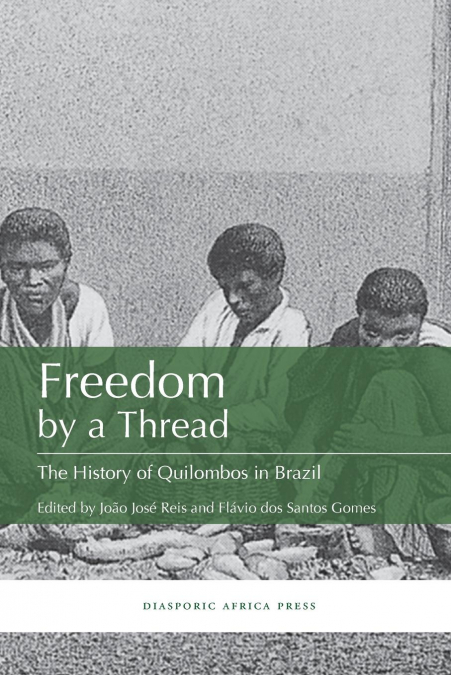
  • Freedom by a Thread
    Freedom by a Thread: The History of Quilombos in Brazil brings together some of the best scholars in the world working on the history of quilombos (maroon societies) in Brazil from a variety of perspectives and approaches. Over 40 percent of the total volume of captive Africans arrived in Brazil during a 400-year period of legal and contraband transatlantic slaving. If slavery ...
    Disponible

    36,71 €

  • Nashville Baseball History
    Bill Traughber
    Nashville is a Big League city despite never having been home to a major league team. From the Civil War era, to star-studded exhibitions, to outstanding Negro Leagues teams, to some of the great minor league franchises of all time, few cities have as rich a baseball tradition as Nashville, Tennessee.Nashville sports historian Bill Traughber, who has been writing about baseball...
    Disponible

    13,15 €

Otros libros del autor

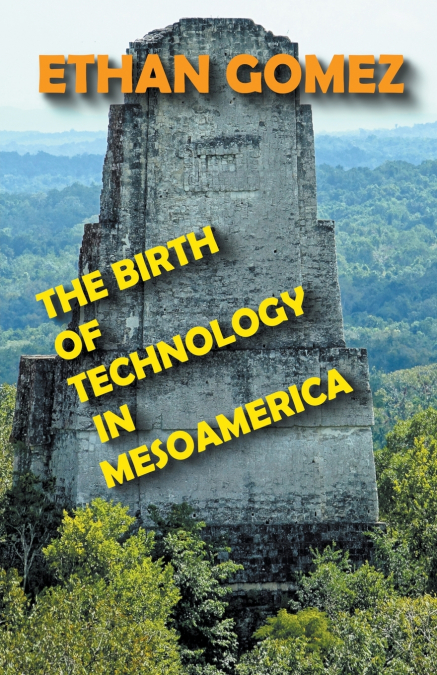
  • The Birth of Technology in Mesoamerica
    ETHAN GOMEZ
    For thousands of years, people in Central America have found ways to improve their lives. Tools and technologies help us do more work with less effort and make our lives easier. But how did those tools and technologies come about? The Maya people were among the first groups to make discoveries that led to new technology in Mesoamerica. And now scientists uncover more about thes...
    Disponible

    21,41 €