 Librería Samer Atenea
 Kálamo Books
 Librería Elías (Asturias)
 Librería Kolima (Madrid)
 Librería Proteo (Málaga)
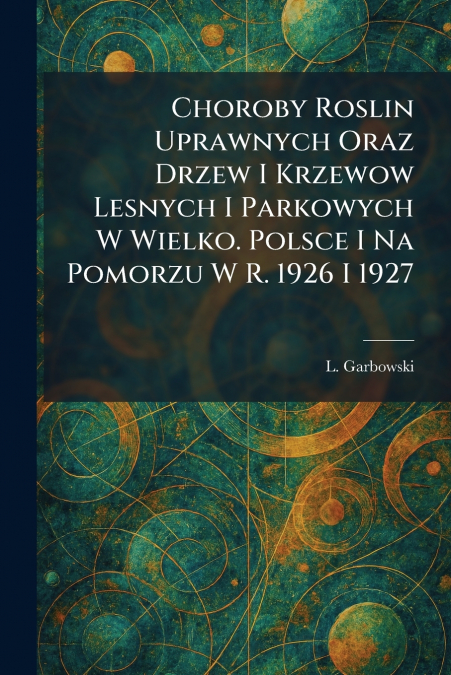
Ksi??ka 'Choroby Roslin Uprawnych Oraz Drzew I Krzewow Lesnych I Parkowych W Wielko. Polsce I Na Pomorzu W R. 1926 I 1927' to szczegó?owe studium fitopatologiczne autorstwa Ludwika Garbowskiego, stanowi?ce istotny wk?ad w polsk? literatur? naukow? okresu mi?dzywojennego. Praca koncentruje si? na dokumentacji i analizie schorze? atakuj?cych ro?linno?? w dwóch kluczowych regionach Polski: Wielkopolsce oraz na Pomorzu. Autor z naukow? precyzj? opisuje patogeny zagra?aj?ce zarówno uprawom rolnym, jak i drzewostanom w lasach oraz parkach miejskich, uwzgl?dniaj?c specyficzne uwarunkowania klimatyczne lat 1926 i 1927.Niniejsza publikacja pe?ni rol? cennego archiwum danych przyrodniczych, oferuj?c wgl?d w historyczne metody ochrony ro?lin oraz ewolucj? zagro?e? biologicznych w polskim rolnictwie i le?nictwie. Dzi?ki szczegó?owym opisom objawów i czynników sprzyjaj?cych infekcjom, dzie?o Garbowskiego pozostaje istotnym ?ród?em dla botaników, le?ników oraz historyków nauk rolniczych. To profesjonalne opracowanie nie tylko rejestruje stan fitosanitarny ówczesnych ziem polskich, ale równie? ukazuje wysoki poziom rodzimej my?li badawczej w dziedzinie ochrony przyrody i gospodarki le?nej.This work has been selected by scholars as being culturally important, and is part of the knowledge base of civilization as we know it. This work was reproduced from the original artifact, and remains as true to the original work as possible. Therefore, you may see the original copyright references, library stamps (as most of these works have been housed in our most important libraries around the world), and other notations in the work.This work is in the public domain in the United States of America, and possibly other nations. Within the United States, you may freely copy and distribute this work, as no entity (individual or corporate) has a copyright on the body of the work.As a reproduction of a historical artifact, this work may contain missing or blurred pages, poor pictures, errant marks, etc. Scholars believe, and we concur, that this work is important enough to be preserved, reproduced, and made generally available to the public. We appreciate your support of the preservation process, and thank you for being an important part of keeping this knowledge alive and relevant.