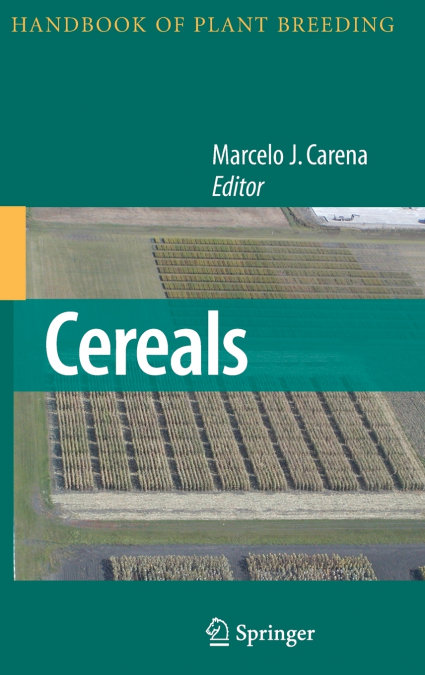

Cereals

Cereals

Marcelo J. Carena

307,55 €
IVA incluido
Consulta disponibilidad
Editorial:
Springer Nature B.V.
Año de edición:
2009
Materia
Agricultura y explotación agropecuaria
ISBN:
9780387722948

Selecciona una librería:

  • Librería Samer Atenea
  • Librería Aciertas (Toledo)
  • Kálamo Books
  • Librería Perelló (Valencia)
  • Librería Elías (Asturias)
  • Donde los libros
  • Librería Kolima (Madrid)
  • Librería Proteo (Málaga)

Agriculture depends on improved cultivars, and cultivars are developed through proper plant breeding. Unfortunately, applied plant breeding programs that are focused on cereal commodity crops are under serious erosion because of lack of funding. This loss of public support affects breeding continuity, objectivity, and, perhaps equally important, the training of future plant breeders and the utilization and improvement of plant genetic resources currently available. Breeding programs should focus not only on short-term research goals but also on long-term genetic improvement of germplasm. The research products of breeding programs are important not only for food security but also for commodity-oriented public and private programs, especially in the fringes of crop production. Breeding strategies used for long-term selection are often neglected but the reality is that long-term research is needed for the success of short-term products. An excellent example is that genetically broad-based public germplasm has significantly been utilized and recycled by industry, producing billions of dollars for industry and farmers before intellectual property rights were available. Successful examples of breeding continuity have served the sustainable cereal crop production that we currently have. The fact that farmers rely on public and private breeding institutions for solving long-term challenges should influence policy makers to reverse this trend of reduced funding. Joint cooperation between industry and public institutions would be a good example to follow. The objective of this volume is to increase the utilization of useful genetic resources and increase awareness of the relative value and impact of plant breeding and biotechnology. That should lead to a more sustainable crop production and ultimately food security. Applied plant breeding will continue to be the foundation to which molecular markers are applied. Focusing useful molecular techniques on the right traits will build a strong linkage between genomics and plant breeding and lead to new and better cultivars. Therefore, more than ever there is a need for better communication and cooperation among scientists in the plant breeding and biotechnology areas. We have an opportunity to greatly enhance agricultural production by applying the results of this research to meet the growing demands for food security and environmental conservation. Ensuring strong applied plant breeding programs with successful application of molecular markers will be essential in ensuring such sustainable use of plant genetic resources.
Artículos relacionados

  • Australia and the Origins of Agriculture
    Rupert Gerritsen
    In this work the author explores issues of the origin of agriculture in Australia such as the “failure” of agriculture to develop indigenously, and its “failure” to diffuse into Australia, despite contact with Indonesian (Macassan) agriculturalists or New Guinean horticulturalists. Although not always explicitly stated or recognised, significant differences probably exist in th...
    Disponible

    106,78 €

  • Microbial Cultures and Enzymes in Dairy Technology
    Microorganisms are an integral part of the fermentation process in food products and help to improve sensory and textural properties of the products. As such, it is vital to explore the current uses of microorganisms in the dairy industry. Microbial Cultures and Enzymes in Dairy Technology is a critical scholarly resource that explores multidisciplinary uses of cultures and enz...
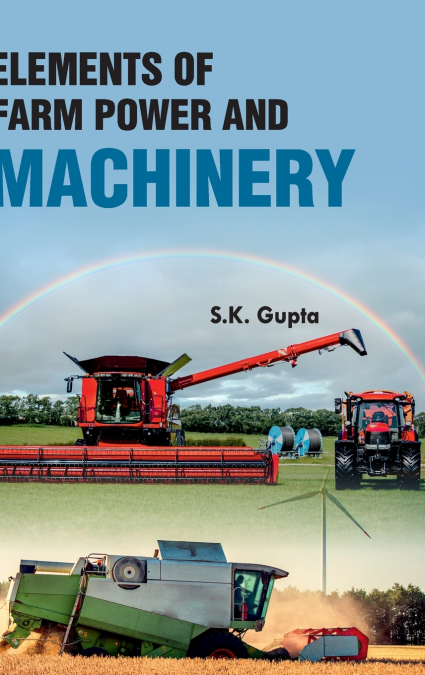
  • Elements of Farm Power and Machinery
    S K Gupta
    Farm mechanization has played a vital role in increasing production, productivity and profitability of farm enterprise. It is mainly attributed to timeliness in farm operations and reduction in application of various inputs through their precise metering, application and higher use efficiencies. Being one of the most important elements of modern agriculture, farm power and mach...
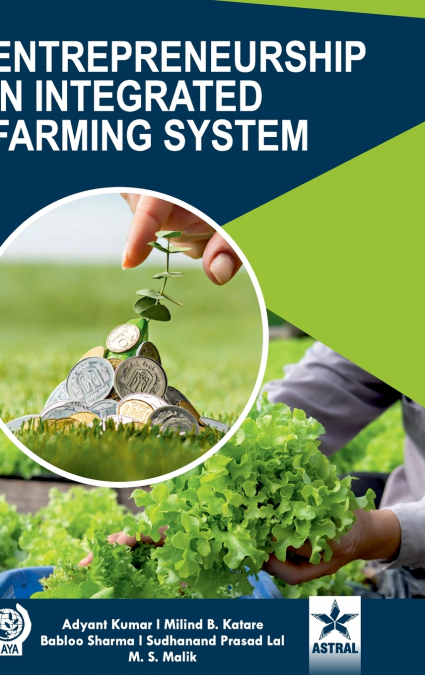
  • Entrepreneurship in Integrated Farming System
    The book deals with the essential information regarding entrepreneurial development of integrated farming system models throughout the country, where agriculture and allied components are extensively presented under the same umbrella in a sustainable way. This book will be of immense use in imparting knowledge on diversified and suitable IFS models based research findings and p...
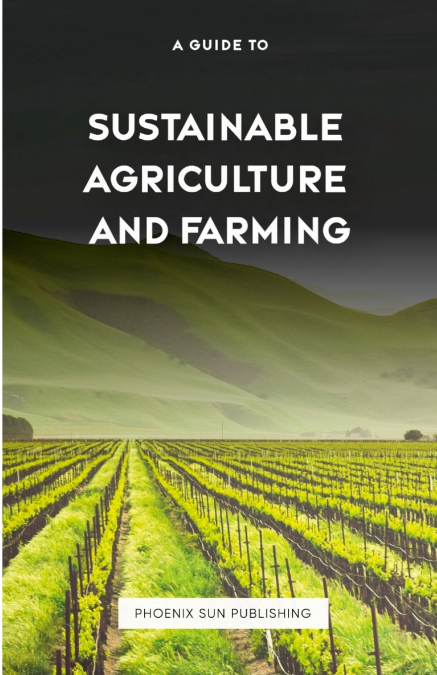
  • The Guide to Sustainable Agriculture and Farming
    PS Publishing
    'The Guide to Sustainable Agriculture and Farming' is an essential resource for anyone interested in sustainable and regenerative farming practices. From understanding the environmental and social impacts of conventional agriculture to exploring innovative solutions for sustainable farming, this book offers a comprehensive and inspiring guide to creating a healthier and more su...
    Disponible

    14,06 €

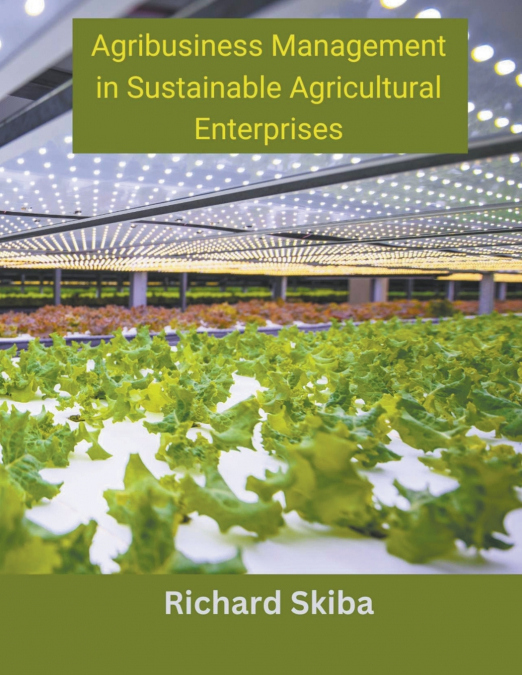
  • Agribusiness Management in Sustainable Agricultural Enterprises
    Richard Skiba
    This book provides a comprehensive overview of sustainable agriculture practices and strategies aimed at improving land use, implementing renewable energy and recycling systems, managing climate risks, developing workplace policies for sustainability, and applying effective agribusiness management practices.Part 1 introduces various approaches to sustainable agriculture, includ...
    Disponible

    30,41 €