 Librería Samer Atenea
 Kálamo Books
 Librería Elías (Asturias)
 Librería Kolima (Madrid)
 Librería Proteo (Málaga)
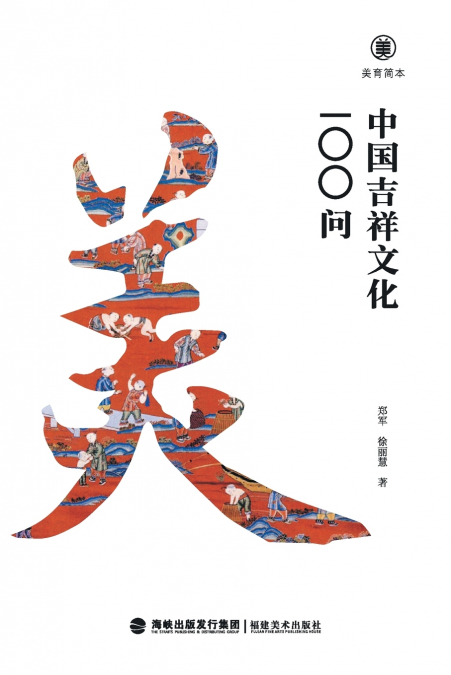
''百子图'是以数量众多的小孩为主要表现对象的吉祥图的总称。只要内容是许多孩童在一起嬉戏玩耍的画,都可以称为'百子图'。虽名为'百子',但实际上并不一定有一百个小孩,而是以'百'为'多'的意思,寓意'多子'。 ...... 吉祥文化是中国传统文化宝库中的瑰丽花朵,它拙中藏巧、朴中显美,给人们带来精神上的寄托。我们的很多以及身边用品的各式图案、外形都带着寓意吉祥,寄托着人们对生命和生活的热爱。你了解它们的由来和内容吗?''The Hundred Children Motif'' is an umbrella term for auspicious artworks that predominantly feature a multitude of children. Any painting depicting numerous youngsters playing together may be called a ''Hundred Children Motif.'' Although named ''hundred,'' the number of children is not strictly literal - the character ''hundred'' here symbolizes abundance, representing the cultural aspiration for ''numerous offspring''.Auspicious motifs constitute a splendid flower in the treasure trove of traditional Chinese culture. They embody wisdom within simplicity and reveal profound beauty through rustic forms, offering spiritual sustenance to people. From architectural ornaments to everyday objects, countless patterns and designs in our surroundings carry auspicious symbolism, reflecting humanity’s enduring reverence for life and passion for living. Do you know their origins and meanings?内容简介Brief Introduction本书以中国传统吉祥文化为题材,分别从吉、福、禄、寿、喜、财六个部分,系统有序地提出100个问题,并一一解答。书中内容涉及礼仪、饮食、服饰等方方面面,回答简洁到位、深入浅出。每个问题配以相应的图例,全书图文并茂,可读性强。读者可以轻松、直观地了解中国吉祥文化。This book explores traditional Chinese auspicious culture through six thematic sections: Ji (auspiciousness), Fu (fortune), Lu (prosperity), Shou (longevity), Xi (joy), and Cai (wealth). It systematically presents and answers 100 questions, covering diverse aspects such as rituals, cuisine, attire, and more. The explanations are concise yet insightful, blending scholarly depth with accessibility. Each question is illustrated with corresponding images, creating a visually engaging and highly readable format. Through this approach, readers can effortlessly and intuitively grasp the essence of China’s symbolic traditions of good fortune.作者简介Author Introduction郑军,山东诸城人,现为山东艺术学院教授、硕士研究生导师。主要研究方向为书籍设计、工艺美术、装饰艺术等。主要著作有《民间吉祥图案》《中国历代云纹纹饰艺术》《中国历代宝相花纹饰艺术》等。徐丽慧,山东艺术学院电影学院教授、硕士研究生导师,研究方向戏剧影视美术设计(服装)。毕业于江南大学工业设计系服装设计专业,长期从事戏剧人物服装设计、服装工艺、服装史研究等专业教学。曾担任多部话剧、舞剧等舞台人物造型设计与制作。Zheng Jun, born in Zhucheng, Shandong Province, is a professor and master’s supervisor at Shandong University of Arts. His research focuses on book design, arts and crafts, and decorative arts. His major publications include Folk Auspicious Patterns, The Art of Cloud Motifs in Chinese Dynastic Decoration, and The Ornamental Art of Composite Floral Motifs in Chinese History.