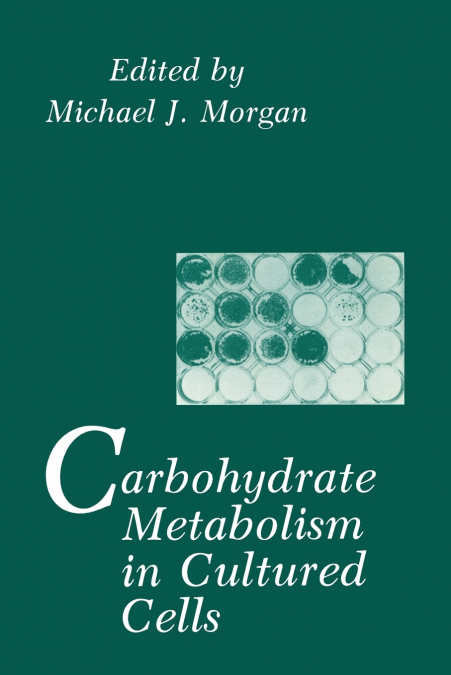

Carbohydrate Metabolism in Cultured Cells

Carbohydrate Metabolism in Cultured Cells

M. J. Morgan

65,10 €
IVA incluido
Disponible
Editorial:
Springer Nature B.V.
Año de edición:
2012
Materia
Zoología y ciencias animales
ISBN:
9781468476811
65,10 €
IVA incluido
Disponible

Selecciona una librería:

  • Librería Samer Atenea
  • Librería Aciertas (Toledo)
  • Kálamo Books
  • Librería Perelló (Valencia)
  • Librería Elías (Asturias)
  • Donde los libros
  • Librería Kolima (Madrid)
  • Librería Proteo (Málaga)

It is perhaps obvious to any student of Biology that the discovery of chemical processes in whole organisms has usually preceded the elucidation of the compo­ nent steps. However, it is perhaps less obvious that the unravelling of the se­ quences in which those chemical steps occur in living matter, of the precise mechanisms involved, and of the manner in which they are regulated, would have been achieved neither by the study of intact plants and animals nor even of extracts derived from them. Our ability to understand the nature and regulation of metabolism rests on two main premises: the postulate that life processes can indeed be validly investigated with individual cells and cell-free extracts, and the thesis that there is an essential 'unity in biochemistry' (as Kluyver put it, 60 years ago) that enables events in one organism to be legitimately studied in another. Of particular utility in this latter respect has been the use of cultures of single-celled organisms, growing in defined media-especially prokaryotes, such as Escherichia coli, and eukaryotes, such as Neurospora and Sac­ charomyces sp. , to which both biochemical and genetical techniques could be applied. It was, of course, Pasteur’s observations of bacterial fermentations that first overthrew the belief that oxygen was essential for all energy-yielding pro­ cesses: his recognition that 'La fermentation . . . . . c’ est La vie sans air' laid the foundations of our knowledge of glycolysis.
Artículos relacionados

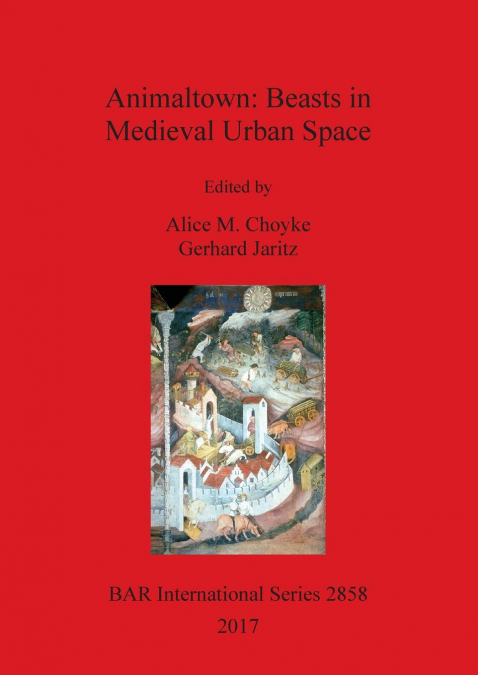
  • Animaltown
    Urban space constitutes a place where people and animals live together in close proximity with each other, creating changing landscapes of co-existence, conflict, mutual dependencies and exploitation. The medieval animals found in the articles of Animaltown: Beasts in Medieval Urban Space, appear in text and image, as well as archaeological find materials in the form of butcher...
    Disponible

    109,24 €

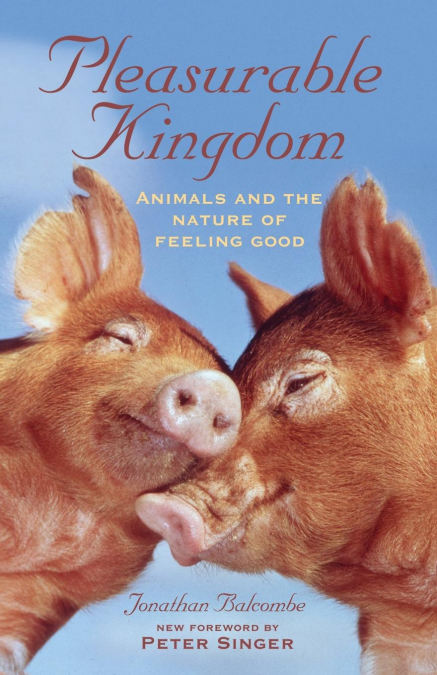
  • Pleasurable Kingdom
    Jonathan Balcombe
    Pleasurable Kingdom presents new evidence that animals--like humans--enjoy themselves. From birds to baboons, insects to iguanas, animals feel good thanks to play, sex, touch, food, anticipation, comfort, aesthetics, and more. Combining rigorous evidence, elegant argument and amusing anecdotes, leading animal behavior researcher Jonathan Balcombe shows that the possibility of p...
    Disponible

    18,96 €

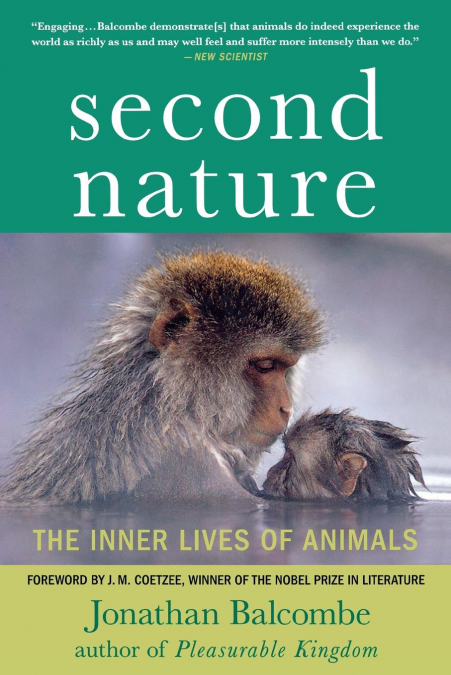
  • SECOND NATURE
    Jonathan Balcombe
    ...
    Disponible

    16,52 €

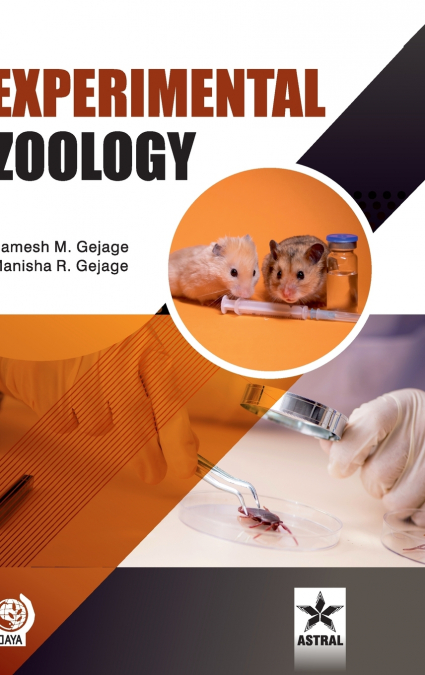
  • Experimental Zoology
    Manisha R Gejage / Ramesh M Gejage
    The goal of the book is to present the practical knowledge of Zoology. Animal diversity, venomous and non-venomous snakes, study of birds, brain of fowl and hyoid apparatus, sclerotic plates, pecten and collumella of fowl, scales of fishes, biochemical tests, activity of salivary amylase, estimation of total protein and lipid, DNA isolation and estimation of uric acid are given...
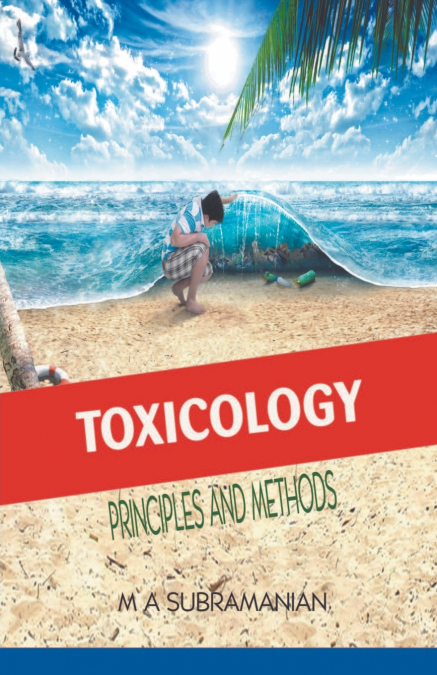
  • TOXICOLOGY
    M A SUBRAMANIAN
    In an era defined by burgeoning human populations, rampant industrialization, cutting-edge technological progress, and expanding urban landscapes, the integrity of our natural environment faces unprecedented challenges. The relentless march of progress has ushered in a flood of chemicals, seeping into the very fabric of our ecosystems and posing insidious threats to biological ...
    Disponible

    23,69 €

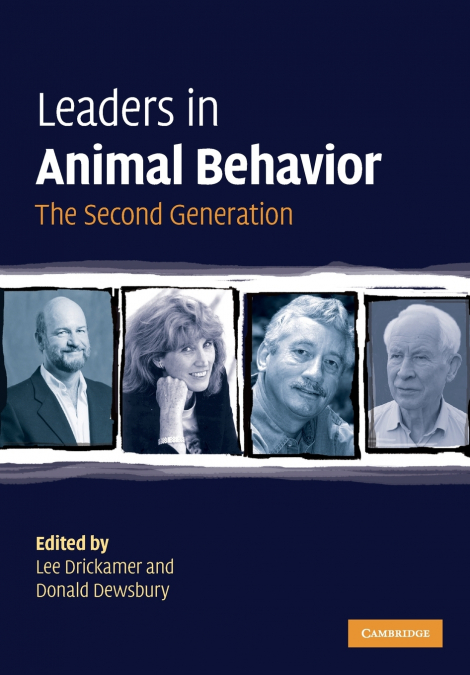
  • Leaders in Animal Behavior
    Donald Dewsbury / Lee Drickamer
    ...
    Disponible

    64,68 €